
Last updated November 2, 2026
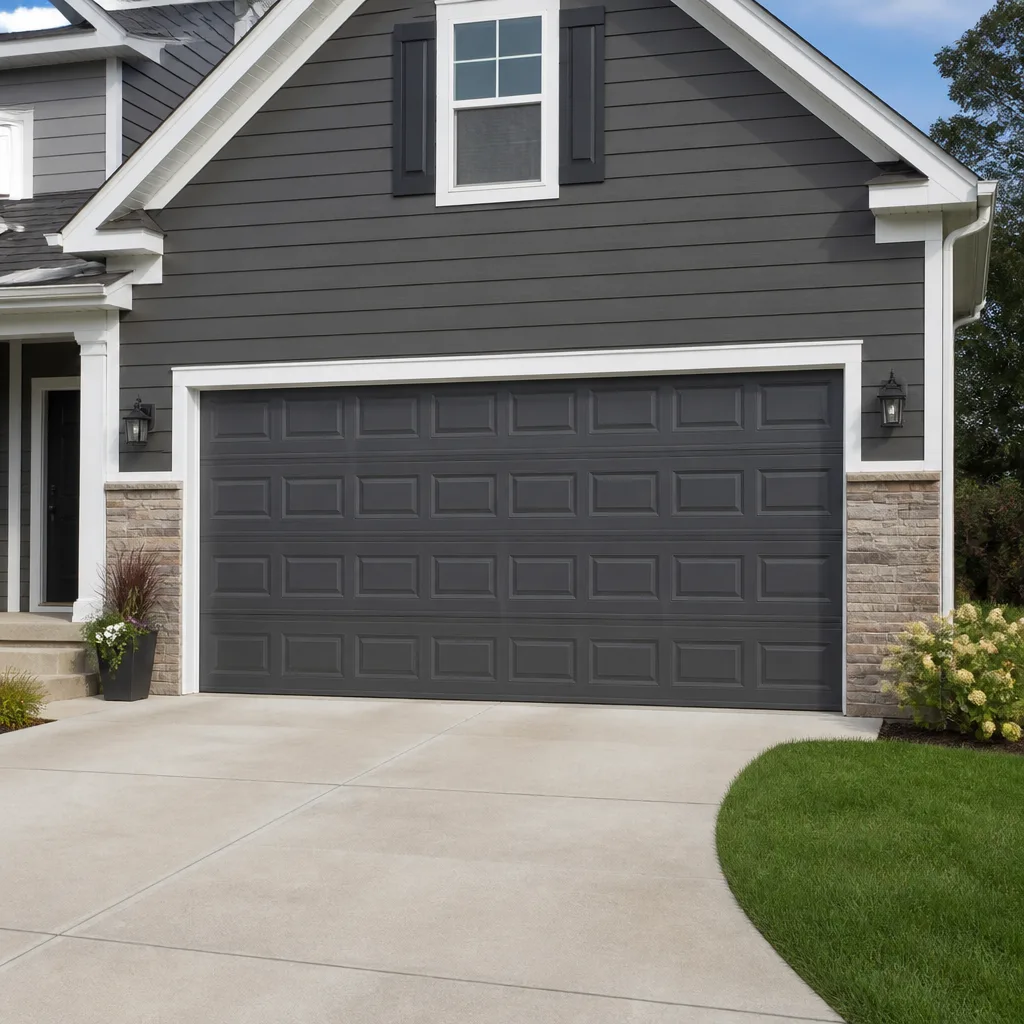 Raised-panel steel
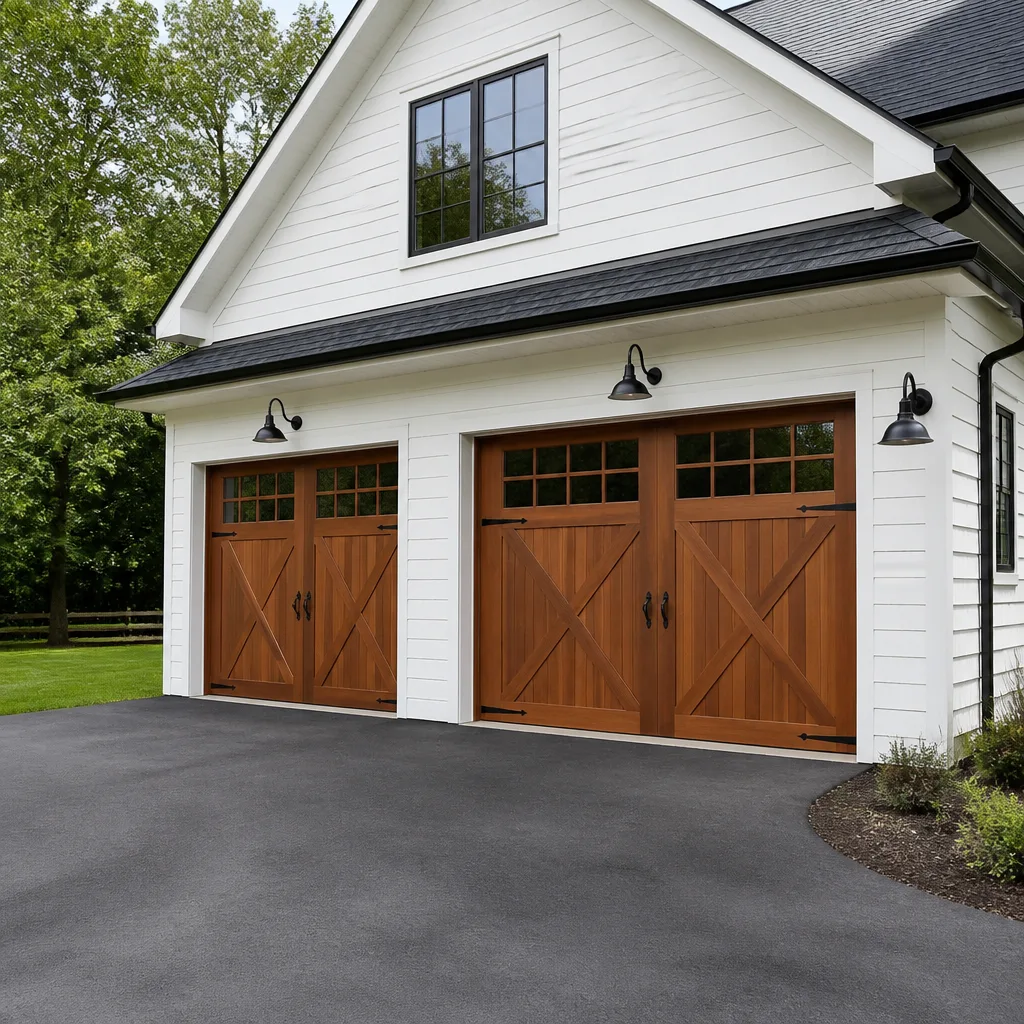 Carriage house
 Modern flush
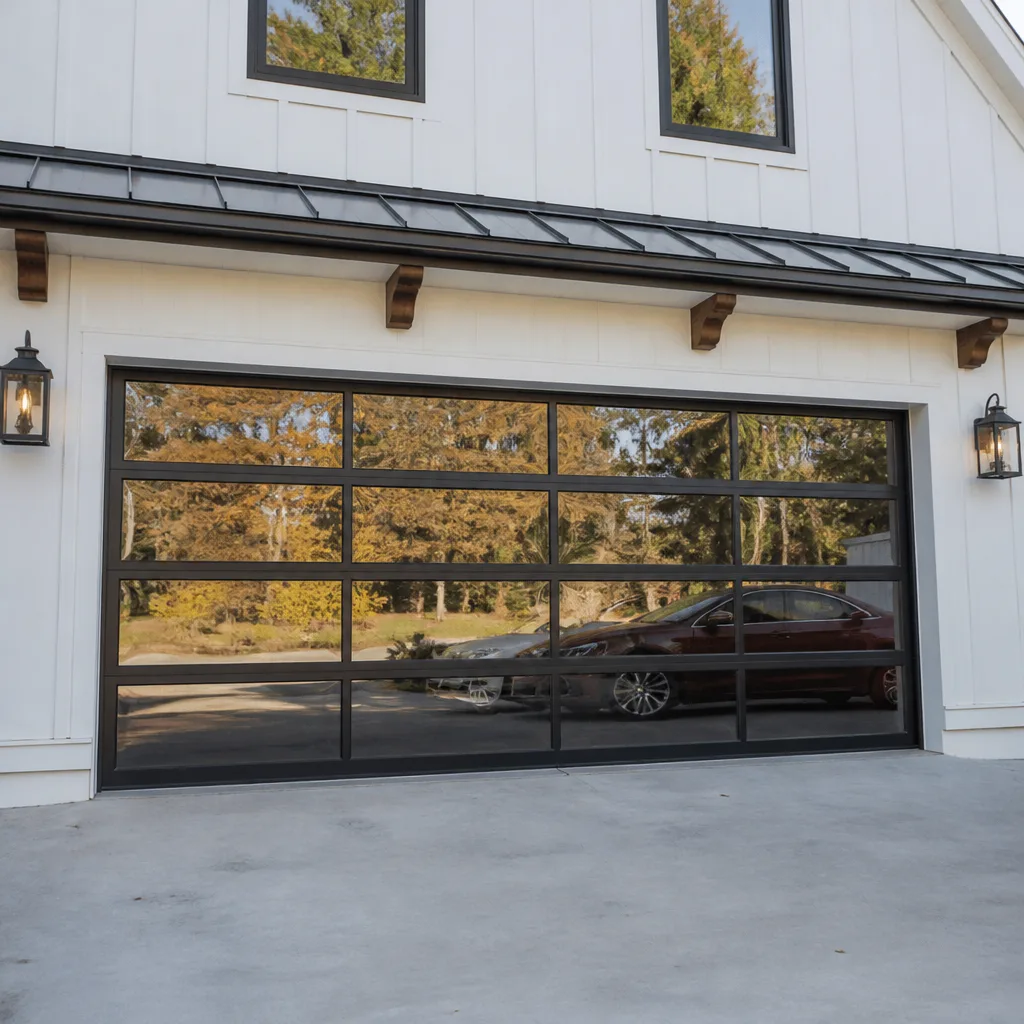 Full-view glass
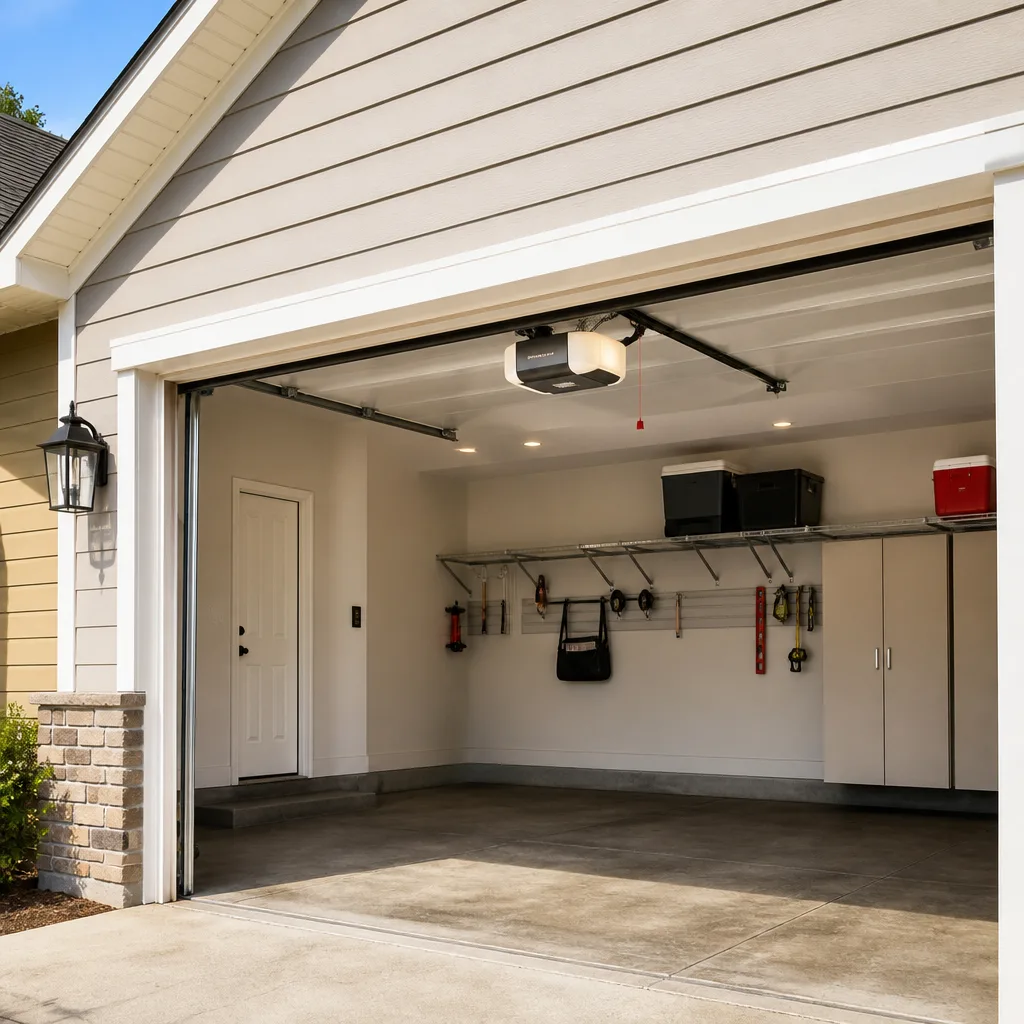 LiftMaster openers
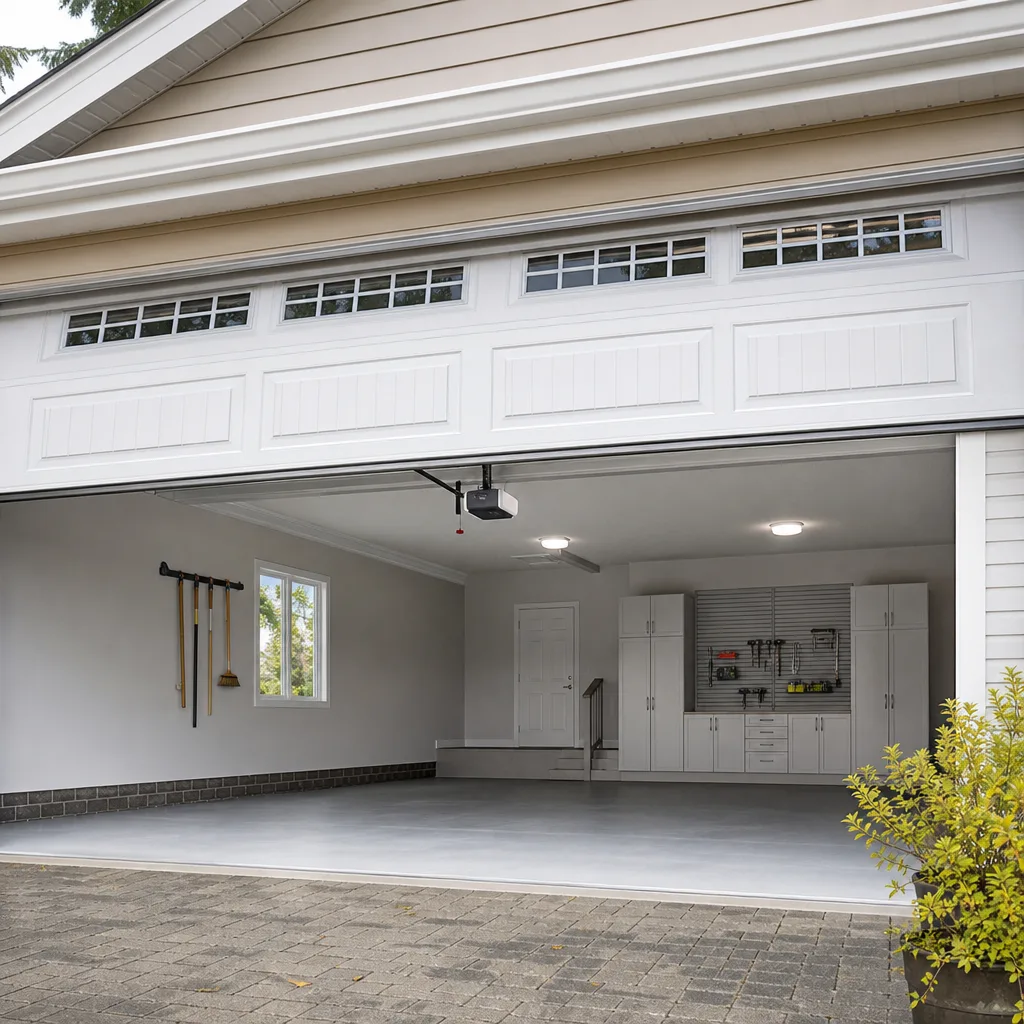 Chamberlain openers
Full 25-point door and opener safety check with every visit - springs, cables, rollers, tracks, and your LiftMaster or Chamberlain opener included
You get a price before we start. It does not change when the truck arrives.
Get your free estimateGarage Door Permits, Codes & Inspections in CA: What You Need to Know
A garage door replacement sounds like a straightforward swap, until a homeowner tries to sell their house and discovers the unpermitted install triggers a required retrofit under California’s seismic hardware code. It happens more often than you’d think, and in Riverside County the rules are layered in ways that catch even experienced flippers off guard. This guide breaks down exactly when a permit is required, what codes govern the work, how inspections actually play out, and what unpermitted work can cost you at resale. If you own a home in San Jacinto, the details here apply directly to your property, your title report, and your next escrow.
Quick Answer
In California, a permit is generally required when you’re installing a new garage door opening or making structural changes to the wall framing, but a like-for-like replacement of an existing door using the existing opening typically does not require a permit in most Riverside County jurisdictions. Opener-only swaps are almost always exempt. The caveat: even permit-exempt replacements must comply with current safety codes, including UL 325 opener standards and seismic bracing requirements under the California Building Code, and unpermitted structural work can surface during escrow and trigger mandatory retrofits. For a deeper look at what to watch for, see our Garage Door Warning Signs: A San Jacinto Homeowner’s Reference Guide.
Styles & brands we work with
- Raised-panel steel
- Carriage house
- Modern flush
- Full-view glass
- LiftMaster openers
- Chamberlain openers
Table of Contents
- When Is a Permit Required in California?
- Riverside County and San Jacinto Specifics
- UL 325 Opener Safety: What Installers Must Certify
- Seismic Disconnect Requirements and Fault Proximity
- What an Inspection Actually Involves
- How Unpermitted Work Surfaces During Escrow
- Common Mistakes to Avoid
- When to Call a Professional
- Frequently Asked Questions
When Is a Permit Required in California?
California building permit requirements are set by the California Building Standards Code (Title 24), but enforcement and interpretation vary by city and county. The statewide baseline is clear on one point: any project that alters the structural framing of a building requires a permit. A garage door opening is part of that structural framing. So the real question isn’t whether garage door work ever requires a permit. It’s whether your specific project crosses the structural threshold.
Here’s the practical breakdown we’ve seen consistently across Southern California:
- New opening cut into an existing wall: Permit required, no exceptions. This alters load-bearing framing, requires a header, and the city or county needs to verify the work before drywall covers it.
- Enlarging an existing opening: Permit required. You’re modifying the header span and transferring load differently, even if it’s only a few inches.
- Replacing a door in the same opening, same size: Generally no permit required. The structural work isn’t changing. But the new door and opener must meet current code standards for safety and seismic performance.
- Converting a window or wall into a garage door: Permit required, plus this often triggers additional review for setbacks, lot coverage, and sometimes architectural standards.
- Opener replacement only: No permit required in nearly every California jurisdiction, including San Jacinto. The opener is an appliance, not a structural element.
The distinction matters because homeowners often assume all garage door work is permit-exempt, or that any replacement needs a permit. Both assumptions are wrong in different directions. A door transplant into an existing rough opening is usually fine to do without pulling records. Cutting a new opening without a permit is a problem that will follow the property title.
One more nuance: in incorporated cities like San Jacinto, the city’s building department is the authority. In unincorporated Riverside County, the county building and safety department governs. The requirements are similar, but the specific forms, fees, and inspection scheduling processes differ. If you’re unsure which jurisdiction you fall under, a local installer familiar with the area can usually tell you in one phone call.
Riverside County and San Jacinto Specifics
Riverside County adds a layer of nuance that statewide guides often gloss over. The county’s residential code enforcement tends to focus on seismic safety, energy efficiency, and fire-related construction standards, all of which touch garage door work in specific ways. San Jacinto sits within the City of San Jacinto’s incorporated limits, so the city’s building division handles permits directly rather than the county, but the standards track closely.
Here’s what that means for a homeowner in practical terms:
- Like-for-like replacement in an existing opening: No city permit needed in San Jacinto. This is a maintenance-level replacement, not a structural alteration.
- New construction or an addition that includes a garage: The garage door is part of the overall building permit. You won’t pull a separate door permit, but the door installation gets inspected as part of the broader project.
- Minor alteration to an existing garage wall (adding a service door, for example): This is where confusion creeps in. A service door cut into a garage wall is a structural change and requires a permit, even though the main vehicle door isn’t being touched.
- Replacing a vintage one-piece tilt-up door with a sectional roll-up: Usually no permit if the opening dimensions don’t change, but the new track system and spring configuration must meet current code requirements for safety containment cables and seismic anchoring.
San Jacinto’s climate also plays a role that general guides overlook. The Hemet-San Jacinto valley sees summer temperatures routinely above 100°F, and extreme heat cycles put real stress on steel tracks, torsion springs, and opener electronics. When a door fails in July, the homeowner wants it fixed that week. The good news: because a like-for-like replacement doesn’t require pulling a permit in San Jacinto, a specialist can typically get a new door measured, ordered, and installed without waiting on city plan review. The work still has to meet code, but the administrative path is short.
We bring this up because homeowners sometimes delay a needed replacement out of fear that the permit process will drag. In most San Jacinto cases, the opposite is true: the door swap itself is fast, and the permit question never even comes up because the opening isn’t changing.
UL 325 Opener Safety: What Installers Must Certify
Underwriters Laboratories Standard 325 is the national safety standard for residential garage door openers, and California has adopted it as mandatory through Title 24. This standard isn’t about whether your opener is “permitted” in the administrative sense. It’s about whether the opener meets the minimum safety requirements that prevent entrapment and injury.
The UL 325 standard has been law in California since 1993, and it applies to every new and replacement opener installed in the state, including all work done in San Jacinto. When an installer completes an opener replacement, the specific safety features they must verify include:
- Auto-reverse mechanism: The opener must reverse when the door contacts a 2×4 laid flat on the ground during the closing cycle. If it doesn’t reverse within two seconds of contact, the installation fails.
- Photo-eye sensors: Two safety sensors mounted no higher than 6 inches off the floor on both sides of the opening. The door must reverse if anything interrupts the beam while closing. These sensors are mandatory, not optional, and bypassing them is a code violation.
- Force sensitivity settings: The opener’s downforce must be set low enough that it doesn’t crush an obstruction, but high enough to close reliably. This is a feel-based adjustment that generalists often get wrong.
- Manual release mechanism: The emergency release cord must be accessible, clearly marked, and functional. This matters for fire safety and power outages.
- Certification label present: The opener itself must carry a UL 325 listing mark. A vintage opener without the label can’t legally be reinstalled even if it technically works.
This is one of the areas where we see the most variance between DIY installs, handyman work, and specialist work. The photo-eye system on a modern LiftMaster or Genie opener has specific alignment requirements that affect reliability. A sensor that’s slightly out of alignment can cause intermittent reversal, which is both a safety gap and an annoyance. On the brand side, we’ve seen Chamberlain, Genie, and Craftsman openers all behave differently during force calibration, and a technician who works on garage door opener repair in San Jacinto regularly will dial in those settings much faster than someone seeing the unit for the first time.
There’s no inspection requirement for an opener-only swap in San Jacinto, but the installer is still legally responsible for the safety compliance. If an unqualified person installs an opener that later traps someone, the liability sits with the property owner and the person who did the work. That’s why UL 325 compliance is one of the few genuinely non-negotiable parts of any garage door project.
Seismic Disconnect Requirements and Fault Proximity
California Building Code section on garage door seismic design exists for a reason: garage doors are large, heavy, and can shift violently during an earthquake. The San Jacinto Fault Zone runs directly through the San Jacinto Valley, and the city sits close enough to it that seismic considerations aren’t theoretical for local homeowners. They’re the reason building inspectors in Riverside County pay closer attention to garage door anchoring than inspectors in other parts of the country.
The California Building Code requires that garage doors be installed with specific seismic protections, including:
- Horizontal reinforcement struts: Metal struts across the door sections that prevent the door from buckling or collapsing out of the opening during lateral movement.
- Heavy-duty end brackets and flag brackets: These anchor the track system to the wall and ceiling framing, not just the drywall or stucco, providing enough attachment strength to hold the door in place when the building shakes.
- Long-stem track rollers: Rollers with longer stems that stay engaged in the track even when the track flexes, preventing the door from jumping its rails.
- Spring containment cables: Safety cables running through the torsion or extension springs, required on every door regardless of seismic zone, but critically important in shaking conditions because a spring that comes loose becomes a projectile.
- Seismic disconnect bracing for openers: In some jurisdictions, openers installed on doors over a certain height or weight must include reinforced support straps connected to the ceiling framing, not just perforated angle iron.
The practical takeaway for San Jacinto homeowners: a cheap door installed to the minimum standard might pass a visual inspection but fail in a 6.5-magnitude event. The door itself might survive, but the track separation or cable failure could leave it blocking the only vehicle exit, which matters in the hours after a quake when people need to move a car for medical or evacuation reasons.
When you’re replacing a door in San Jacinto, the seismic question isn’t optional, even if no permit is pulled. A door that meets current CBC seismic bracing standards is materially different from one that doesn’t, and if you ever sell the home, a sharp buyer’s inspector will know the difference. Doors from manufacturers like Clopay, Amarr, and Wayne Dalton all offer reinforced-section options, and in this part of Riverside County the reinforced spec is the sensible default rather than an upsell.
What an Inspection Actually Involves
If your project does require a permit, here’s what the inspection process looks like in San Jacinto and most of Riverside County. The goal is to demystify what can feel like an opaque bureaucratic step.
- Permit application and plan review: For structural work, the city reviews the proposed change, including header sizing, fastener schedule, and anchor details. For a new opening, this means engineering calculations or a prescriptive header table from the code. Review typically takes one to three weeks depending on the planning department’s backlog.
- Rough framing inspection: The inspector visits after the opening is framed and the header is installed, but before any drywall or finish materials cover the work. They’re checking the header span, the king and jack studs, the anchor bolts, and the hold-down hardware. This is the most common fail point for DIY and handyman projects because the prescriptive details are specific and easy to get wrong.
- Door installation inspection: Once the door, track, and opener are installed, a second visit verifies seismic bracing, spring containment cables, photo-eye sensor placement, auto-reverse function, and proper track anchoring. Some inspectors also check the manual release accessibility and the side weatherseal fit.
- Final sign-off: If everything passes, the inspector signs the permit card and the work is officially closed with the city. This is what creates the paper trail a future buyer’s escrow will look for.
The most common reasons an inspection fails in Riverside County: missing or undersized header on a new opening, spring containment cables absent, photo-eye sensors mounted too high or misaligned, track brackets anchored to drywall instead of framing, and missing seismic reinforcement struts. None of these are exotic corrections. They’re all basic code requirements that a specialist installs correctly the first time and a generalist often misses entirely. Staying ahead of them is easier with our Garage Door Repair Maintenance Checklist for San Jacinto Homeowners.
If you’re doing a like-for-like replacement with no permit, there’s no city inspection at all, but a qualified installer still self-inspects against the same code requirements. In our experience, the homeowners who get the best long-term outcome aren’t the ones who skip oversight. They’re the ones whose installer treats every job as if an inspector is standing in the driveway.
How Unpermitted Work Surfaces During Escrow
Unpermitted work follows the property, not the person who did it. That’s the single most important thing to understand about California’s permit system. If the previous owner cut a new garage door opening without permits, and you buy the house without discovering it, you inherit the liability when you eventually sell.
Here’s how it surfaces during escrow, step by step:
- Buyer’s home inspection: Most standard home inspections include a garage door component. The inspector checks the door’s operation, the safety features, and the general condition. A sharp inspector will notice if the door is larger than the typical size for the home’s era, if the header looks undersized, or if the framing doesn’t match the rest of the structure. This triggers a flag.
- Seller’s disclosure documents: California sellers are required to disclose known unpermitted work. If the seller knows the garage door opening was cut without a permit and doesn’t disclose it, that’s a misrepresentation that can unwind the sale or trigger post-close litigation.
- Title search and permit history: During escrow, the buyer’s title company pulls the permit history for the property. A new garage door opening with no corresponding permit record is a red flag. If the square footage doesn’t match the county assessor’s records, it can trigger a retroactive permit requirement.
- Appraisal and lender review: An appraiser comparing the property to comps may note the unpermitted conversion or addition. Lenders often refuse to fund on properties with unpermitted structural work until it’s corrected, which kills the deal or forces a renegotiation.
- Remediation demand: If the buyer’s inspector flags the unpermitted door work, the buyer typically demands either a price reduction, a retroactive permit pulled and completed before close, or a credit for the estimated correction cost. Retroactive permits in Riverside County typically involve opening up the wall to expose the framing, paying permit fees plus a penalty, and completing the full inspection cycle.
The remediation cost for unpermitted garage door work varies widely based on what was done. A new opening with an undersized header might require the header replaced, which means removing and reinstalling the door, reframing, drywall repair, and stucco patching. In the San Jacinto market, that’s a multi-thousand-dollar correction that could have been avoided with a $300 permit and a competent installer.
Even for work that doesn’t require a permit, documentation matters. A receipt from a licensed contractor showing the door replacement, the opener model, and the safety features installed becomes evidence you can hand a buyer’s inspector. It doesn’t replace a permit, but it demonstrates that the work wasn’t a hack job done by an unlicensed stranger from a flyer.
This is also where our team fields a lot of questions. Homeowners in San Jacinto sometimes inherit a home with a questionable old door install and want to know if they should proactively fix it or wait until the next sale. The answer depends on the specifics, but the general rule is: if you know the work is non-compliant, fixing it while you control the timeline and contractor is cheaper than fixing it under the pressure of an escrow deadline. If you’re wondering where to start, the Osprey Garage Door Repair home page is a quick way to understand what a full door assessment covers.
Common Mistakes to Avoid
- Assuming every garage door project needs a permit. A like-for-like replacement in San Jacinto using the existing opening doesn’t require one, and delaying the work out of misplaced permit fear leaves a broken door sagging on its tracks for weeks.
- Assuming no permit means no code requirements. Permit-exempt doesn’t mean code-exempt. The UL 325 safety standard, seismic bracing rules, and spring containment cable requirements still apply to every replacement, regardless of whether the city reviews it.
- Cutting a new opening without pulling a permit. This is the most expensive mistake in this entire guide. The header, the framing, the anchoring, and the energy compliance all need verification, and a buyer’s inspector will find it eventually.
- Bypassing the photo-eye sensors. Some homeowners ask installers to disable or raise the safety sensors because they’re tired of the door reversing when a car bumper nudges the beam. This is a direct code violation and turns a minor inconvenience into a serious entrapment risk.
- Installing a vintage opener without a UL 325 label. Those old openers from the 1980s might still run, but legally they can’t be reinstalled in California, and insurance companies will use their presence to deny a claim.
- Skipping the seismic reinforcement on a replacement door. In San Jacinto’s fault zone, a door without horizontal struts and proper track anchoring is a liability waiting for the next moderate quake. The reinforced option isn’t a luxury here.
- Losing the paperwork. Keep the invoice, the opener manual, and any receipt showing safety feature installation. When you sell, that file answers the inspector’s questions before they’re asked.
When to Call a Professional
Any project that involves springs, tracks, or an opener is worth a professional’s eye, but certain scenarios are clear non-negotiables. If your door uses torsion springs under tension, the adjustment and replacement work is genuinely dangerous, and the tools and technique required are beyond what a YouTube tutorial can safely teach. If you’re converting a wall into a garage door opening, structural engineering and permit management are professional territory. If your opener is old enough to lack a UL 325 label, it’s time for a modern replacement rather than a repair. And if you’re selling your home and the buyer’s inspector flagged the door, the fastest path to a clean close is a specialist who can document the correction. Osprey Garage Door Repair offers free estimates in San Jacinto, works on the brands homeowners already own, and handles everything from opener safety upgrades to full door replacements. Call (866) 883-7857 and we’ll tell you exactly what your project needs, whether it needs a permit, and what it’ll cost before any work begins.
Frequently Asked Questions
A like-for-like replacement using the existing opening does not require a permit in San Jacinto, but the new door must comply with current California Building Code requirements for seismic bracing and safety features. If you’re changing the opening size or cutting a new opening, a permit is required.
Yes, an opener-only swap is nearly always permit-exempt in Riverside County and San Jacinto, but the new opener must meet UL 325 safety standards including working photo-eye sensors and a functional auto-reverse mechanism.
You can sell, but the unpermitted work will likely surface during the buyer’s inspection or permit history review. Expect a remediation demand, a price reduction, or a retroactive permit requirement before the deal closes.
Permit fees vary by jurisdiction and project scope, but a structural permit for a new garage door opening in Riverside County typically runs into the low to mid hundreds of dollars, plus inspection fees. The exact figure depends on the valuation of the work and the city’s fee schedule.
If the project requires a permit, the seismic bracing and anchoring will be checked as part of the rough framing and final inspection. If the project is permit-exempt, there’s no city inspection, but the installer should still follow CBC seismic requirements for track anchoring and reinforcement struts.
Standard homeowners policies typically exclude earthquake damage unless you carry a separate earthquake policy. If the door was unpermitted or non-compliant with current seismic code, an insurer may deny the claim on that basis. This is one of the quieter risks of cutting corners on a garage door project in the San Jacinto fault zone.
The Bottom Line
California’s garage door permit requirements aren’t as intimidating as they sound once you understand the line: structural changes need permits, like-for-like replacements don’t, and safety compliance applies either way. In San Jacinto, seismic considerations, UL 325 standards, and the realities of escrow disclosure mean the smart homeowner treats every garage door project as a code-governed one, not just a hardware swap. The cheapest path is rarely the cheapest at closing. Osprey Garage Door Repair is a dedicated garage door specialist serving San Jacinto and the surrounding valley, and if you’re planning any door work, the fastest way to get clarity is a phone call. We’ll tell you what your project requires, whether a permit is in play, and what a correct installation looks like. Call (866) 883-7857 for a free estimate, and you’ll have a straight answer in minutes.
Written by the team at Osprey Garage Door Repair, serving San Jacinto since 2011.
See the difference
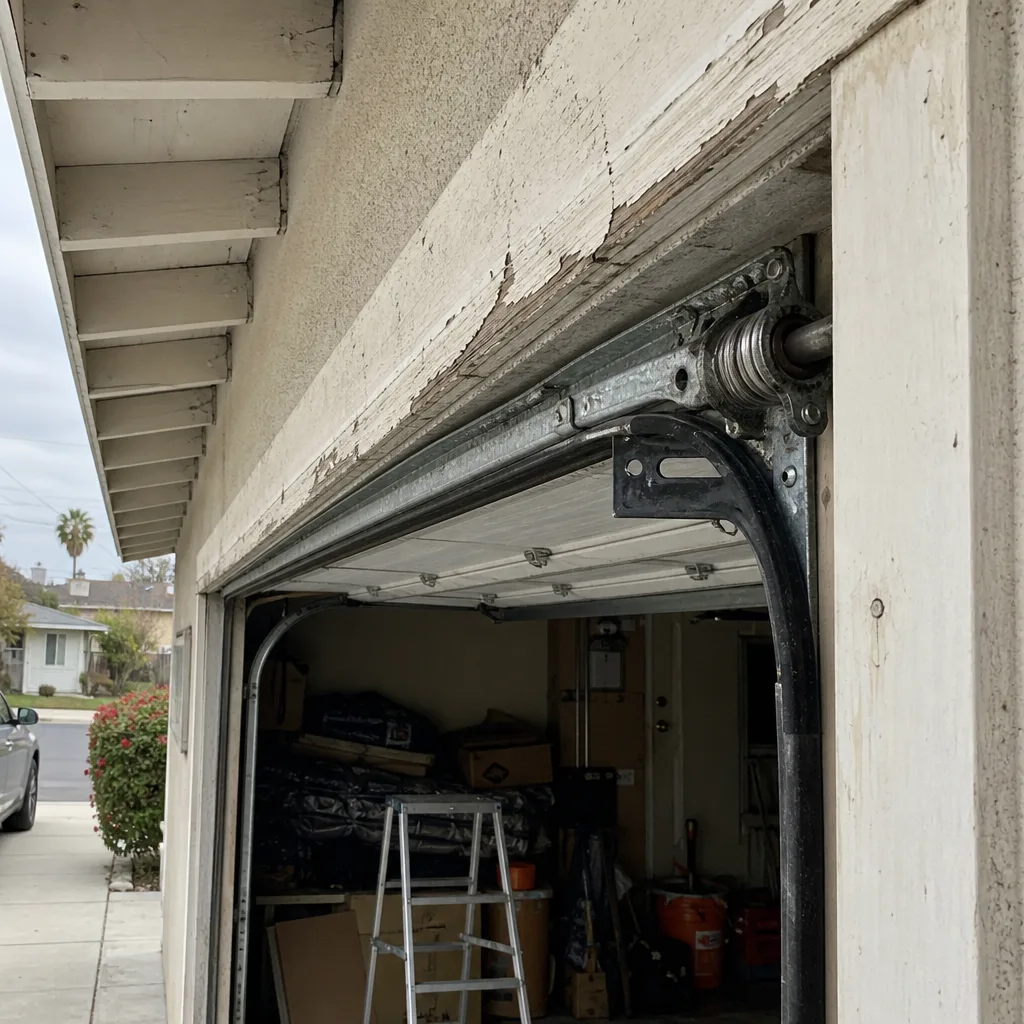 Before
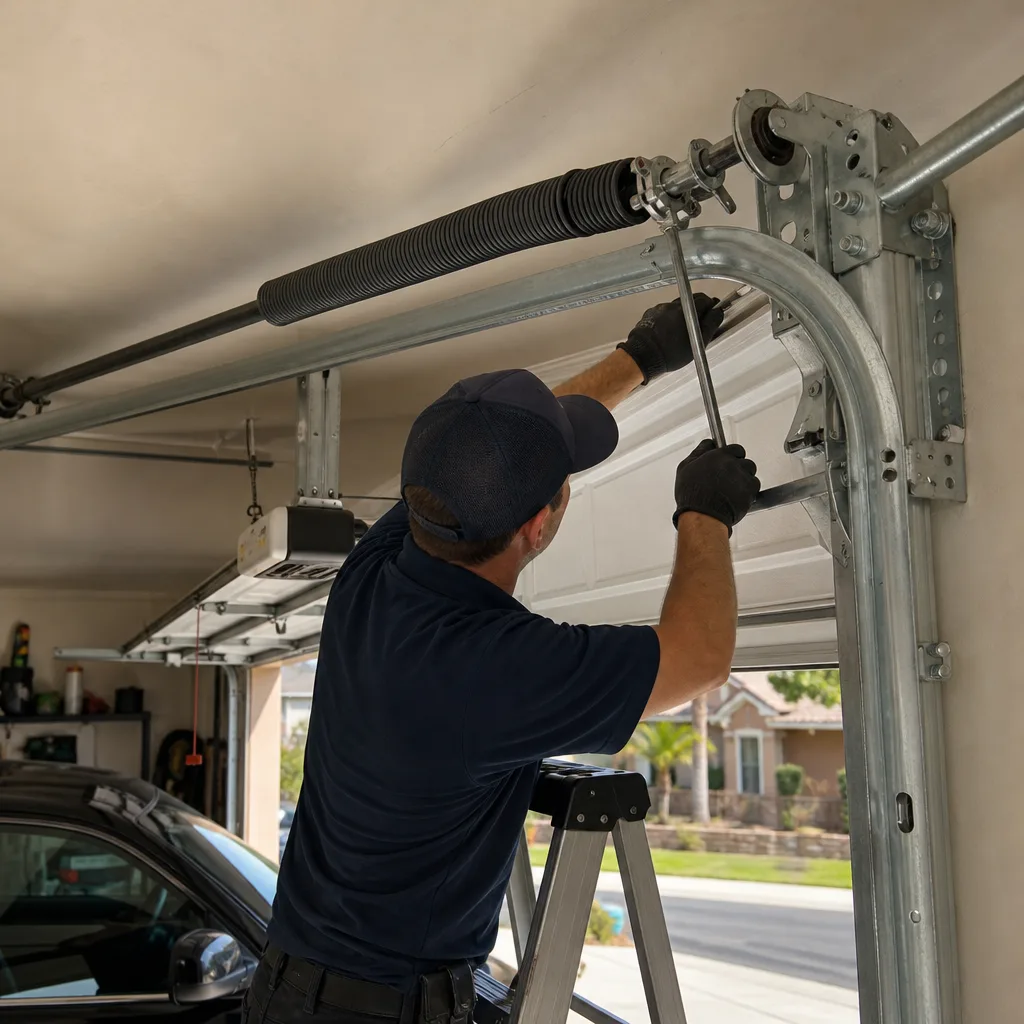 After
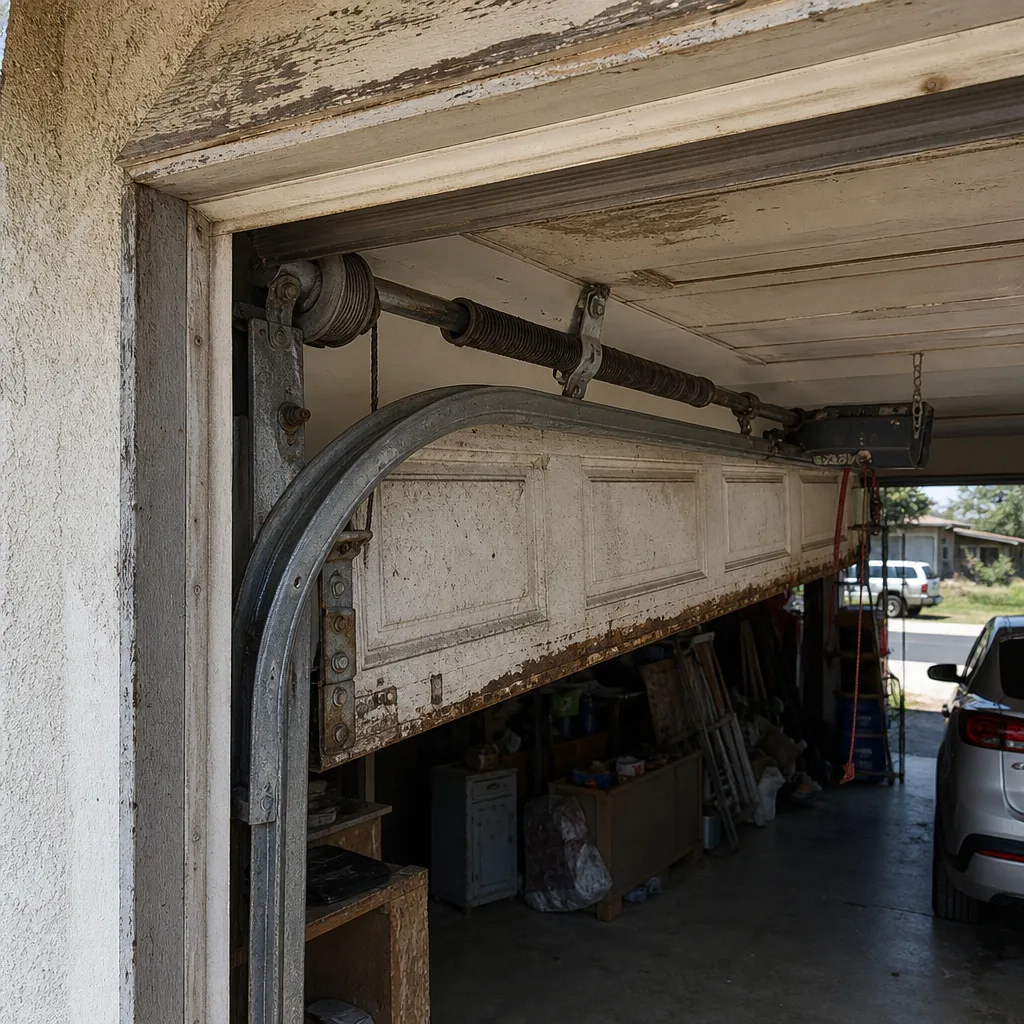 Before
 After
 Before
 After