
Last updated November 2, 2026
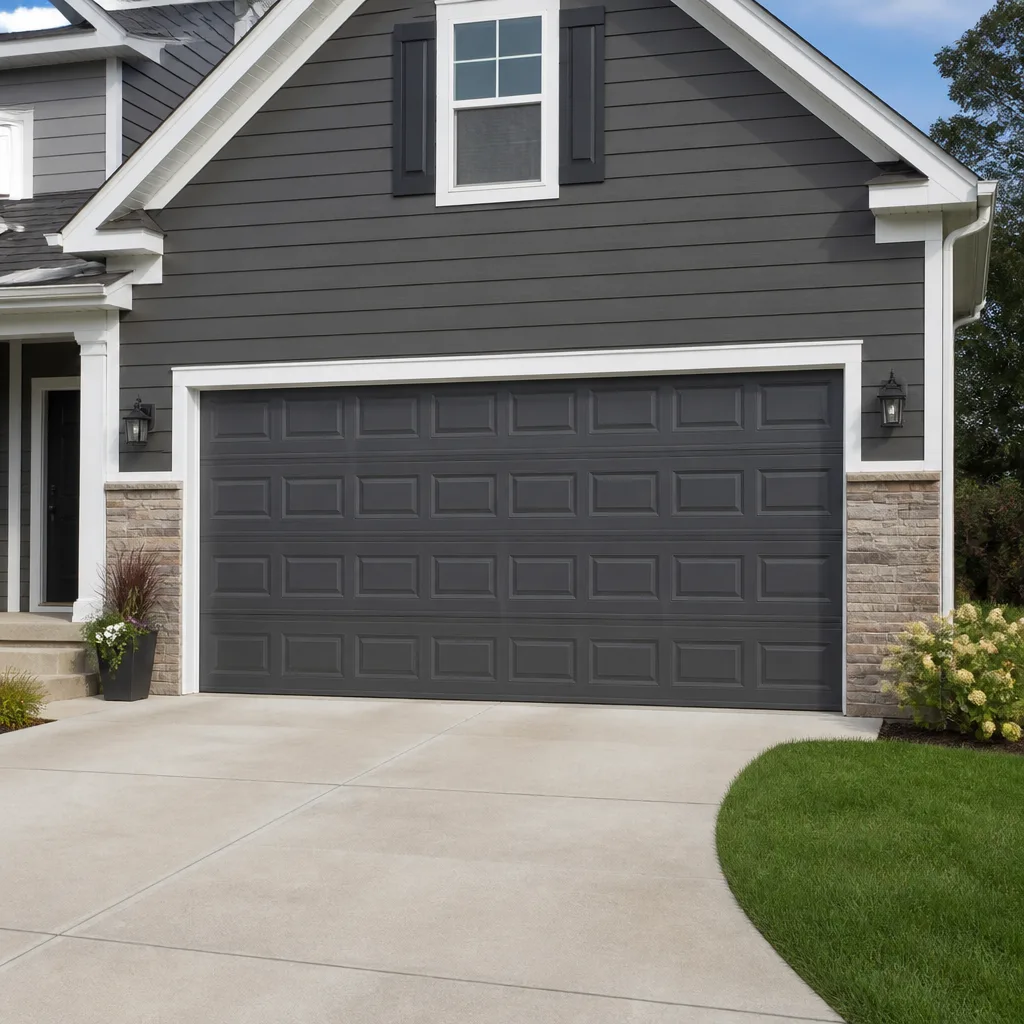 Raised-panel steel
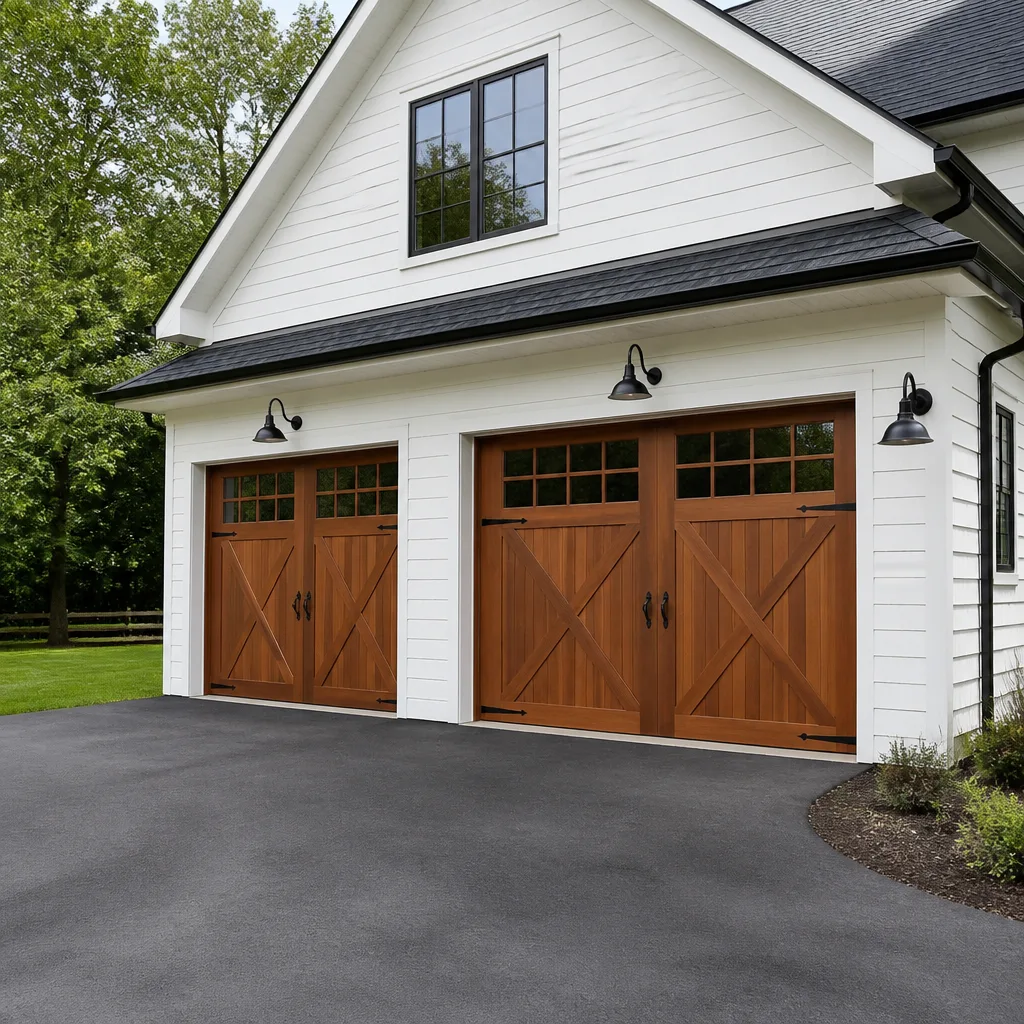 Carriage house
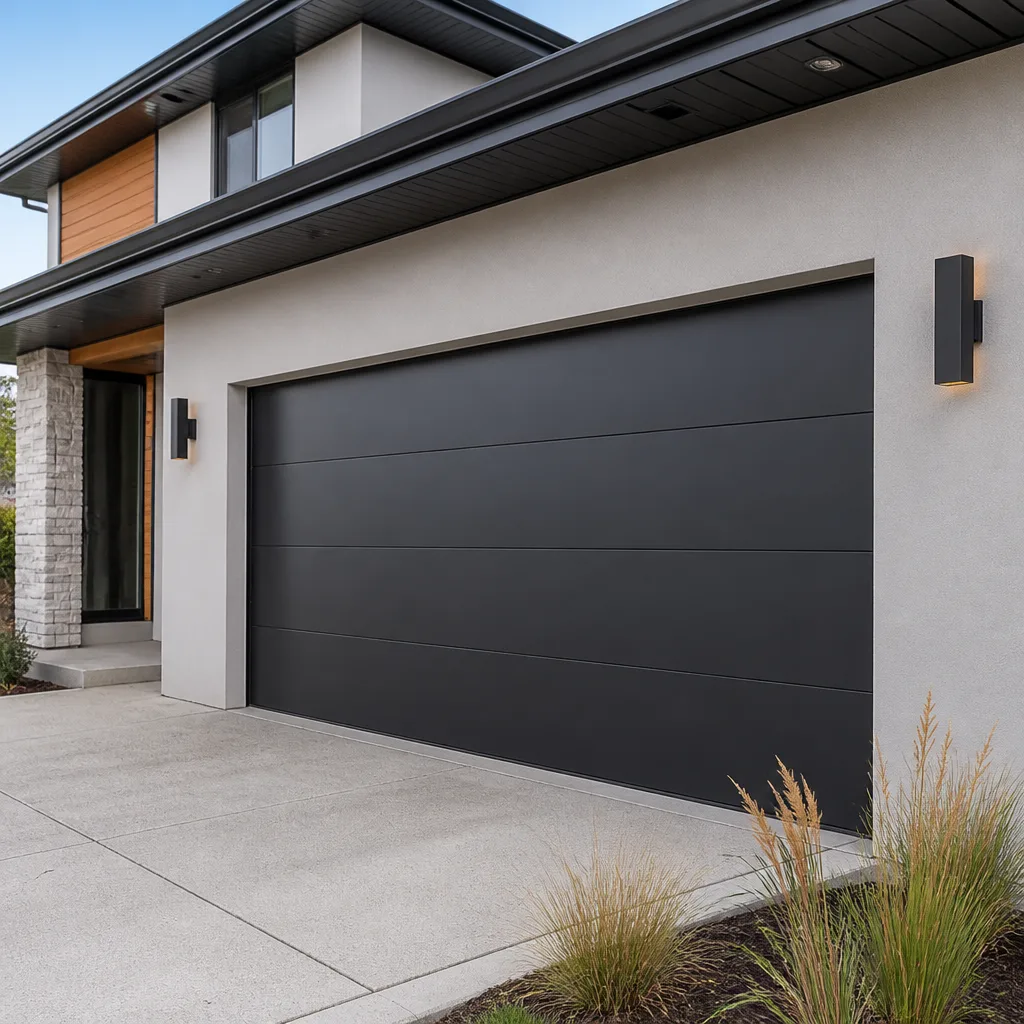 Modern flush
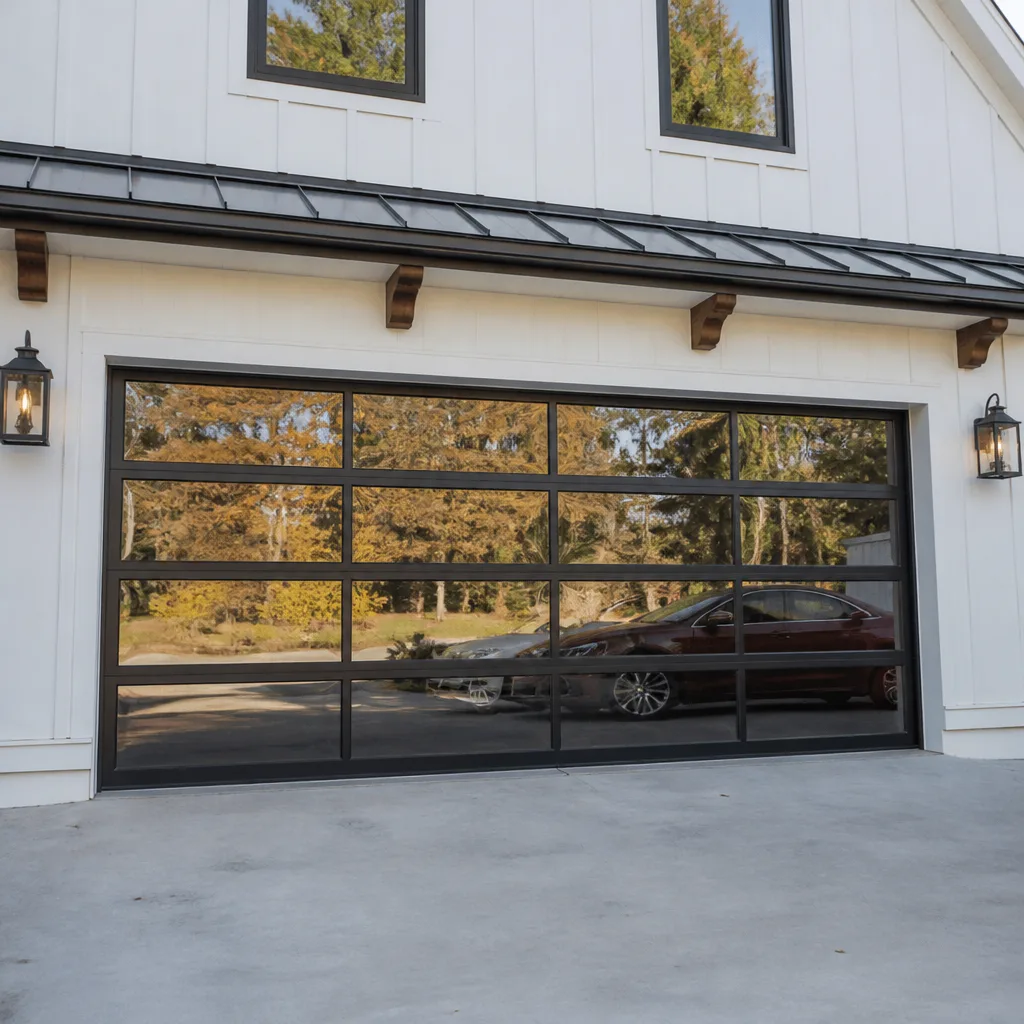 Full-view glass
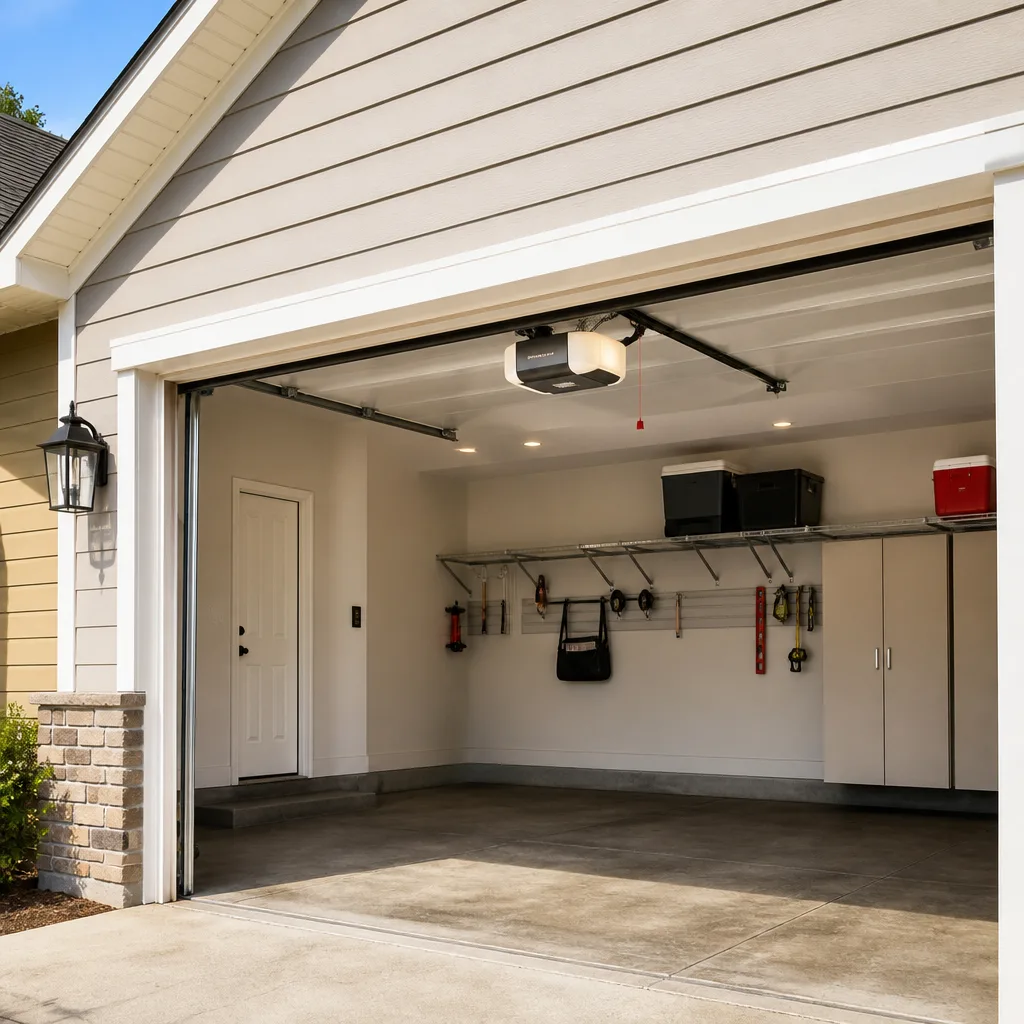 LiftMaster openers
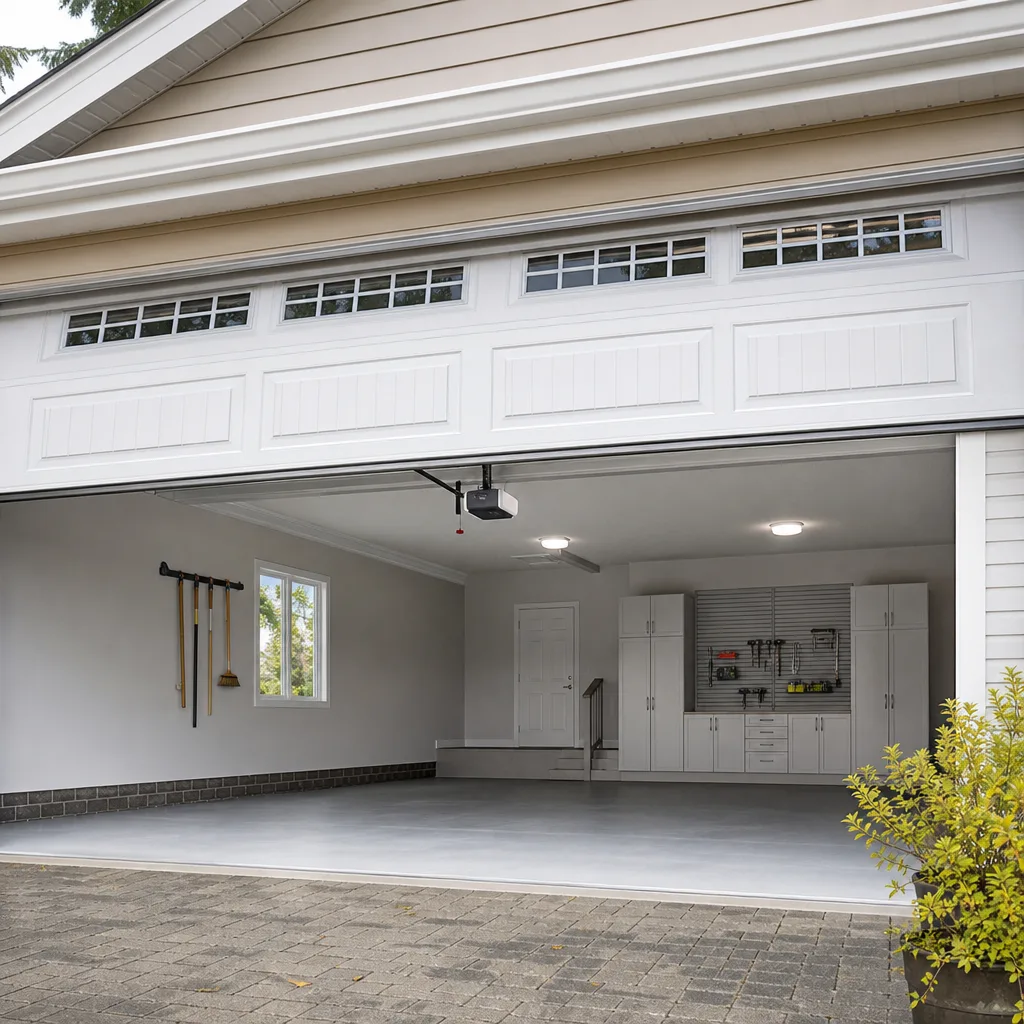 Chamberlain openers
Full 25-point door and opener safety check with every visit - springs, cables, rollers, tracks, and your LiftMaster or Chamberlain opener included
You get a price before we start. It does not change when the truck arrives.
Get your free estimateGarage Door Warning Signs: A San Jacinto Homeowner’s Reference Guide
A garage door that’s “a little slow” isn’t a quirk. In most cases it’s a measurable symptom of spring fatigue, roller wear, or opener strain that has a predictable failure window if you know what you’re looking at. Most San Jacinto homeowners wait for a complete failure before calling a technician. A snapped spring on a Tuesday morning, a door jammed halfway open at 6 a.m., a car trapped inside the garage. The frustrating part is that the door told you for weeks, sometimes months, that something was wrong. This guide trains you to diagnose, not just notice. By the end, you’ll know which sounds and behaviors are urgent, which ones can be scheduled, and how to describe what you’re seeing so a technician arrives prepared.
Quick Answer
The most common garage door warning signs in San Jacinto are grinding or squealing sounds during operation, a door that opens slower than it used to, visible gaps between the door and weather seal, and a door that doesn’t stay put when stopped halfway. In our climate, heat-related panel buckling and seal shrinkage are additional red flags most national guides never mention. Any sound coming from the spring area means stop using the door and call a technician. Sounds from rollers or hinges are less urgent but should be addressed within a few weeks.
Styles & brands we work with
- Raised-panel steel
- Carriage house
- Modern flush
- Full-view glass
- LiftMaster openers
- Chamberlain openers
Table of Contents
- The Sound-Based Diagnostic Framework
- The 60-Second Visual Balance Test
- Heat-Specific Warning Signs in San Jacinto
- Opener Problems vs. Mechanical Problems: How to Tell Without Tools
- Three Warning Signs That Mean Stop Using the Door Immediately
- Five Warning Signs That Allow a Scheduled Repair Window
- Brand-Specific Notes: What We See Most Often
- Common Mistakes to Avoid
- When to Call a Professional
- Frequently Asked Questions
The Sound-Based Diagnostic Framework
Your garage door makes noise every time it opens and closes. Most of that noise is normal. But changes in the noise profile, new sounds that weren’t there before, or sounds that grow louder week over week are diagnostic signals. Here’s what we listen for when we take a service call in San Jacinto, and what each sound typically means.
Grinding
Grinding is the sound of metal on metal without proper lubrication or alignment. It usually points to one of three problems: worn rollers with failing bearings, a chain that’s lost tension or lubrication, or a door that’s dragging against its track. Grinding is not an emergency, but it is a wear accelerator. Every week of grinding adds measurable wear to components that would otherwise last years. In our experience, a grinding door that gets ignored for three months often needs roller and hinge replacement that could’ve been avoided with a service call early on.
Popping
Popping is different from grinding. A pop is a sharp, intermittent sound, often accompanied by a visible jerk in the door’s motion. Popping most commonly comes from torsion springs as they begin to fail. The spring coils bind, release, and bind again. Each pop is a micro-failure. If you hear popping from the spring area above the door, stop using the door and call a technician. A torsion spring under tension is dangerous to work on, and a spring that’s popping is signaling imminent failure. We recommend homeowners never attempt to diagnose or adjust a torsion spring themselves.
Squealing
Squealing is a high-pitched sound that usually points to a specific moving part: a roller, a hinge, or the opener’s drive system. If the squeal is rhythmic and matches the door’s movement, it’s likely a roller bearing that’s dried out. If the squeal comes from the opener unit itself, it could be a belt or chain issue. Squealing is in the “monitor and schedule” category unless it’s accompanied by visible wobble or hesitation. A quick visual check of the rollers can tell you whether you’re looking at a lubrication fix or a parts replacement.
Rattling
Rattling is loose hardware. Bolts, brackets, and track fasteners vibrate loose over time, especially in San Jacinto where temperature swings cause expansion and contraction cycles every single day and night. A rattling door is usually a quick fix, tighten the hardware, reset the track alignment, and possibly replace worn isolators. But rattling that continues after hardware tightening can indicate a balance problem: the door’s weight isn’t distributed evenly, and the resulting vibration shakes everything loose again.
The 60-Second Visual Balance Test
A properly balanced garage door holds its position when stopped halfway open. An unbalanced door drops or rises. That’s the test. Here’s how to perform it safely at home in San Jacinto.
- Close the door completely. Make sure the area is clear of children and pets.
- Pull the red emergency release handle. This disconnects the door from the opener carriage. The door is now manually operated.
- Lift the door by hand to the halfway point. For most doors this is waist to chest height.
- Release the door carefully. Keep hands near but not on the door, ready to catch it if it drops quickly.
- Observe what happens.
If the door stays put, your springs are doing their job. If the door drops more than a few inches, your springs are fatigued and the door is under-tensioned. If the door rises on its own, your springs are over-tensioned. A deviation of more than six inches in either direction means the spring’s tension is significantly out of spec. In our service area across San Jacinto, we see under-tensioned doors more often than over-tensioned ones, primarily because heat accelerates spring fatigue. Steel loses tensile strength faster in sustained heat. A spring that works fine at 70 degrees may fail at 105 degrees, which is a regular summer temperature here.
Heat-Specific Warning Signs in San Jacinto
San Jacinto’s climate creates failure patterns you won’t find in coastal communities 40 miles west. The daily temperature swing, often 30 degrees or more between afternoon highs and overnight lows, puts expansion stress on every component. Here are the warning signs we see most often that are specific to this valley heat.
Panel Buckling
Steel and aluminum panels expand when heated. A door that fits perfectly at 7 a.m. may bow slightly at 3 p.m. on a summer day. Occasional thermal bowing is normal. But persistent buckling that doesn’t resolve at night indicates the panel has taken a permanent set. Once a panel deforms permanently, it no longer seals properly and it puts uneven load on the hinges and rollers. Buckled panels are most common on west-facing garage doors in San Jacinto that catch full afternoon sun. The fix is usually panel replacement, not door replacement, if caught early.
Seal Shrinkage Gaps
The rubber or vinyl weather seal along the bottom of your door shrinks with heat exposure and age. In San Jacinto’s summer heat, seals harden and shrink faster than manufacturers’ typical lifespan estimates. You’ll notice it as a visible gap of daylight under a closed door, or as dust and debris accumulating along the garage floor near the door. A shrunken seal lets heat, dust, and in certain weather, water into the garage. It’s also a signal that the door’s other rubber components, like roller sleeves and corner seals, are aging out on the same timeline.
Opener Hesitation
Smart openers and older chain-drive units alike can hesitate in extreme heat. The opener’s motor has a thermal protection circuit. If the unit has been sitting in a hot garage all afternoon, first-run hesitation or a slow start is common. But if the hesitation persists after the garage cools down, or if it’s accompanied by error codes on a LiftMaster or Chamberlain unit, you’re looking at a component issue rather than a thermal trigger. Opener side problems are separate from door side problems, and we’ll cover the distinction below. If you need Garage Door Opener Repair in San Jacinto, it helps to note whether the problem only happens during hot hours.
Opener Problems vs. Mechanical Problems: How to Tell Without Tools
When a door misbehaves, the first question we ask is: is this an opener problem or a door problem? The distinction matters because it determines which specialist you need and what the repair will involve. Here’s how to tell the difference yourself, with no tools, in about three minutes.
- Disconnect the door from the opener. Pull the red emergency release cord. This is the same step as the balance test above.
- Open the door manually. If the door lifts smoothly, stays balanced at the halfway point, and moves without grinding or popping, the mechanical side is functioning. The problem is likely in the opener: drive system, logic board, sensors, or wiring.
- If the manual operation is rough, heavy, or noisy, the problem is mechanical. Springs, rollers, hinges, or tracks. The opener may be straining against a door that’s become hard to move.
- If the door works fine manually but the opener refuses to close it, check the safety sensors. Misaligned or dirty sensors are the leading cause of a door that reverses immediately after touching the floor. This applies to virtually every brand, from Genie to Raynor.
One of the reasons we emphasize brand fluency across LiftMaster, Chamberlain, Genie, Clopay, Amarr, Wayne Dalton, Craftsman, and Raynor is that opener issues are often brand-specific. A Logic Board error on a LiftMaster reads differently than an error on a Craftsman. If your door works manually but the opener misbehaves, you’ll want a technician who knows your specific opener. Our approach at Osprey Garage Door Repair home is built on this: garage doors, and only garage doors. No divided attention.
Three Warning Signs That Mean Stop Using the Door Immediately
Some warning signs are advisory. Others are red flags that mean continued use is actively dangerous. Here are the three that fall into the “stop and call” category, whether you’re in San Jacinto or anywhere else.
- A snapped cable or visible cable fraying. The lift cables are under extreme tension. A frayed cable can snap without warning, and when one side fails, the door drops unevenly. If you see rust, fraying, or loose strands on any cable, stop using the door, keep clear of the opening, and call a technician. Do not attempt to remove or adjust a cable yourself.
- A visible spring gap or break. Torsion springs sit above the door, horizontal. Extension springs run along the tracks, vertical. If you see a visible separation in a spring, the spring is done. A broken spring means the door’s full weight is unbalanced. Opening the door manually from this state is physically dangerous, and operating the opener will likely damage the opener’s drive system.
- A door that’s visibly off-track. If the door leans to one side, if rollers are no longer seated in the track, or if the door binds badly during movement, stop. Continued operation can derail the door entirely, which risks significant damage and personal injury. An off-track door is a professional correction, not a DIY adjustment.
For all three of these, we recommend calling Garage Door Repair in San Jacinto rather than attempting any work yourself. The tension components in a garage door system store enough energy to cause serious injury.
Five Warning Signs That Allow a Scheduled Repair Window
Most warning signs don’t require an emergency call. They require a scheduled service visit within a reasonable window. Here are the five we tell San Jacinto homeowners to track and book at their convenience, usually within one to three weeks.
- Consistent squeaking or light grinding from rollers. This is wear, not failure. A technician can replace worn rollers before they damage the track. Left too long, a seized roller can flatten and create a much larger track repair.
- A bottom seal with visible gaps. Seal replacement is a 20-minute job and a low-cost part. Delaying it means a hotter garage, more dust, and higher energy bills through a San Jacinto summer.
- Slow opener response time. If the door takes noticeably longer to start moving after you press the button, or if it moves slower than it did a year ago, the opener is working harder than it should. Scheduling a tune-up can prevent a full opener failure during a heat wave, which is when opener calls spike in our area.
- Loose or rattling hardware. A technician can tighten and adjust brackets, hinges, and track fasteners in one visit. This is a maintenance-level issue, not a repair-level issue, if addressed before the door’s alignment shifts.
- Intermittent sensor faults. If the door occasionally reverses for no reason but works fine other times, you likely have a sensor alignment or wiring issue. It’s not urgent, but it won’t fix itself. Diagnostic time on a Chamberlain or Craftsman setup is usually quick, and the fix is often simpler than the symptom suggests.
Brand-Specific Notes: What We See Most Often
Every major manufacturer designs their doors and openers with different tolerances and failure modes. Here’s what we see most often on the equipment we service in San Jacinto, across the brands we regularly work on.
Craftsman
Craftsman openers, especially units manufactured in the 2000s and 2010s, tend to develop gear wear in the drive assembly. The symptom is a grinding or whirring sound from the opener unit itself, sometimes without any visible movement. If the door still opens manually but the Craftsman opener struggles, the problem is almost always in the opener, not the door. We see this frequently on homes throughout San Jacinto’s established neighborhoods, where original equipment is approaching the 15 to 20 year mark.
Raynor
Raynor doors are well built, but their roller and hinge geometry can accelerate roller wear if the door’s balance is off by even a small margin. On Raynor doors we service in San Jacinto, we often find that a slight spring tension loss leads to roller wear within a season. The door still works, but it’s noisy. Catching the spring tension early preserves the roller set and avoids a compound repair.
LiftMaster and Chamberlain
These two brands share a parent company and a lot of engineering DNA. Both are common in San Jacinto garages, and both have smart opener features that surface error codes on the wall console or app. The most common error patterns are sensor-related and logic-board-related, not mechanical. If you see a flashing light pattern on your LiftMaster or Chamberlain, count the flashes. That code tells a technician exactly where to start before they even arrive. If you’re seeing codes you don’t understand, the Garage Door Opener Repair in San Jacinto service we offer covers these systems specifically.
We work on the brand you already have. That’s the point. You don’t need a LiftMaster specialist and a separate door mechanic. The brand list matters less than the diagnostic process: isolate the symptom, identify the failing component, fix the root cause, and verify the whole system operates balanced and quiet afterward. Diagnosed fast, fixed right.
Common Mistakes to Avoid
- Ignoring a new sound because the door still works. Sounds are your earliest diagnostic signal. A new grind or pop is a counted clock. Waiting for failure converts a minor parts replacement into a major repair or a full replacement.
- Lubricating a noise without identifying the source. Spraying lubricant on a popping spring or a failing roller bearing masks the symptom temporarily and accelerates wear in some cases by attracting dirt. Identify the noise source first.
- Continuing to use a door with a broken spring. Even if the opener can still lift the door, a broken spring forces the opener to carry the full weight of the door. That’s how a $200 spring replacement becomes a $500 opener repair on top of a spring job.
- Adjusting torsion springs without training. The spring carries enough stored tension to cause severe injury. This is not a weekend project. San Jacinto has plenty of homes with original springs from the 1990s, and those springs are not forgiving.
- Dismissing heat-related symptoms as normal. A door that binds only on hot afternoons is telling you something about your panel and track tolerances. Ignoring it means a warped track or a cracked panel later. In San Jacinto’s climate, “it only happens when it’s hot” is still a real problem.
- Replacing the opener when the door is the problem. We see this monthly. A homeowner buys a new opener to fix a door that’s heavy, unbalanced, or binding. The new opener works for a few months, then the strain kills it too. Fix the mechanical side first.
When to Call a Professional
Call a professional when you hear popping from the spring area, when the door fails the balance test, when cables show visible wear, or when the door refuses to stay on track. Call when error codes appear on a smart opener that you can’t clear. Call when the noise pattern changes suddenly. If you’re in San Jacinto, call (866) 883-7857. Osprey Garage Door Repair offers free estimates, and we work on the brand you already have. From a snapped spring to a full new door, we cover repair, opener service, and full installation. If you’re unsure whether your door needs immediate attention or a scheduled visit, describe the symptom and we’ll tell you straight. For planned upgrades, our Garage Door Installation in San Jacinto team handles everything from single panel replacements to complete door replacement with new opener integration.
Frequently Asked Questions
The most common warning signs in San Jacinto are grinding or squealing rollers, slow opener response, bottom seal gaps, loose hardware rattles, and spring-related popping. Heat-specific signs like afternoon panel binding and seal shrinkage are also frequent here, more so than in coastal areas. Any popping from the spring area means stop using the door and call a technician. Call (866) 883-7857 for a free estimate in San Jacinto.
Garage door spring replacement in San Jacinto typically runs between $180 and $340 depending on spring type and door weight, with most repairs completed the same visit. The price is quoted and agreed before any work starts. Torsion springs cost more than extension springs due to the additional labor and safety procedures involved. Call (866) 883-7857 for an exact quote, our estimates are free.
Yes, same-day service is available for urgent garage door failures in San Jacinto, including broken springs, snapped cables, and doors stuck closed or open. We carry the most common spring sizes and roller sets on the truck so most repairs are completed in one visit. Call (866) 883-7857 and describe what happened. We’ll tell you whether it’s safe to leave the door as-is and give you a straight arrival window.
The price you’re quoted is the price you pay unless an additional issue is discovered and approved by you before any work continues. We quote before we start, every time. If a technician finds a second problem, like a worn roller set alongside a broken spring, you’ll hear the full cost with the option to decline. No surprise invoices.
Yes, our trucks are stocked with common spring sizes, roller sets, hinges, sensors, and opener parts for the brands we service, including LiftMaster, Chamberlain, Genie, Clopay, Amarr, Wayne Dalton, Craftsman, and Raynor. The majority of our San Jacinto repairs are completed on the first visit. If a specialized part is needed, we order it and schedule the follow-up before we leave.
A quality garage door installed in San Jacinto typically lasts 15 to 20 years with proper maintenance, but heat exposure shortens the lifespan of springs, seals, and opener components. Springs commonly need replacement every 7 to 10 years under normal use. Seals may need replacement every 3 to 5 years in full sun exposure. The door panel itself can last decades if the mechanical system stays balanced. Call (866) 883-7857 to schedule a balance check and component inspection; it’s a quick visit that catches problems before they become failures.
The Bottom Line
Your garage door communicates through sound, movement, and visible wear. Popping springs, a door that drops during the balance test, and visible cable fraying are stop conditions that need immediate professional attention. Squealing rollers, slow openers, loose hardware, and gaping seals are scheduled-repair signals you can address on your own timeline. San Jacinto’s heat pushes every component harder, which means the earliest warning signs show up sooner here than they do elsewhere. Learn the sounds. Run the balance test. Know which brand is on your door and in your opener. The difference between a minor spring correction and a full door replacement is usually measured in the weeks between when you notice a symptom and when you act on it. Written by the team at Osprey Garage Door Repair, serving San Jacinto since 2011.
See the difference
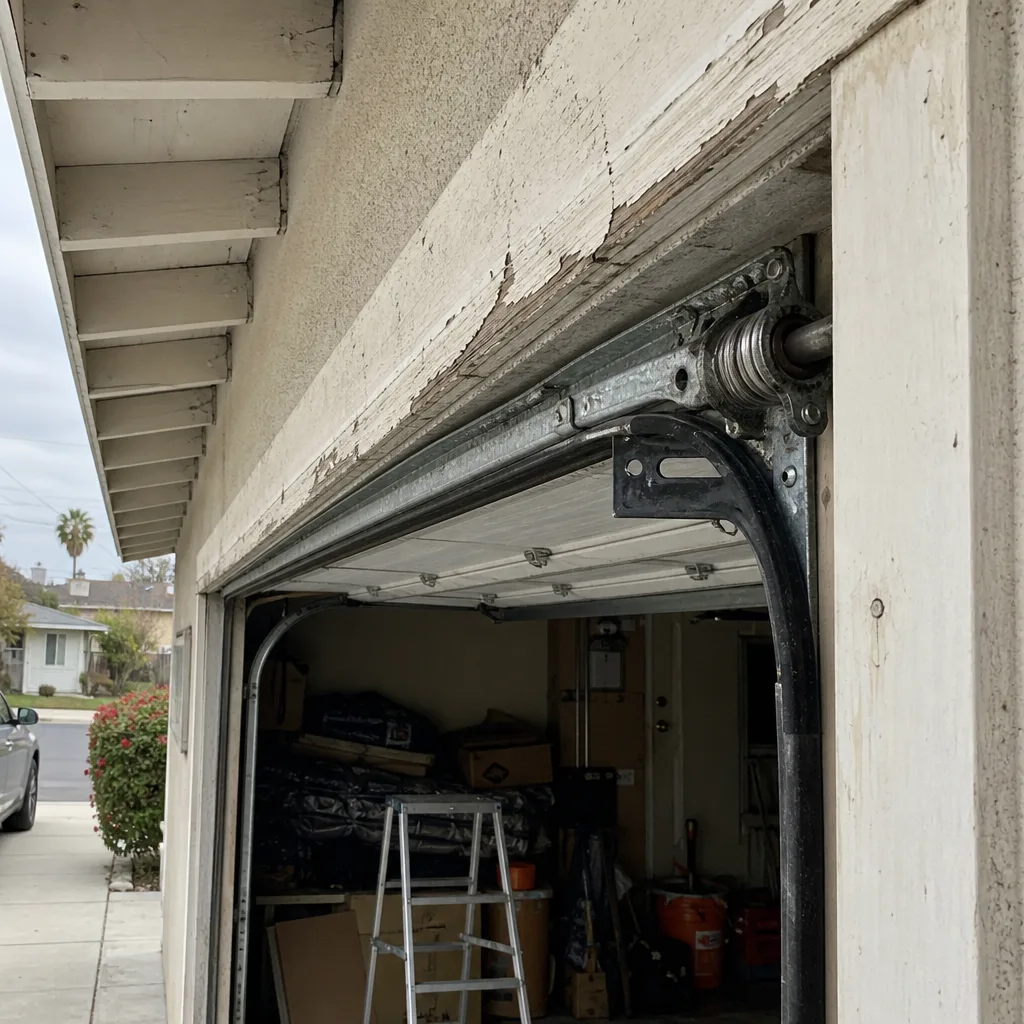 Before
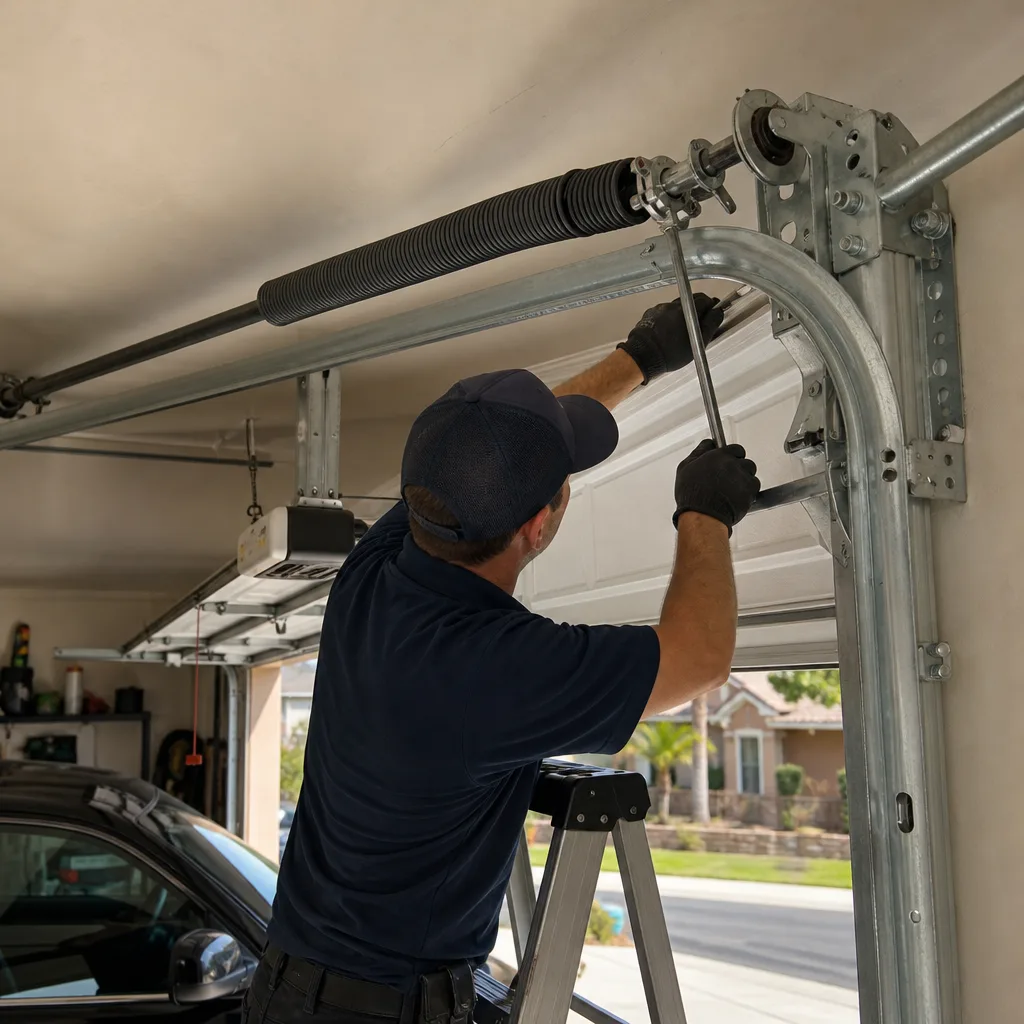 After
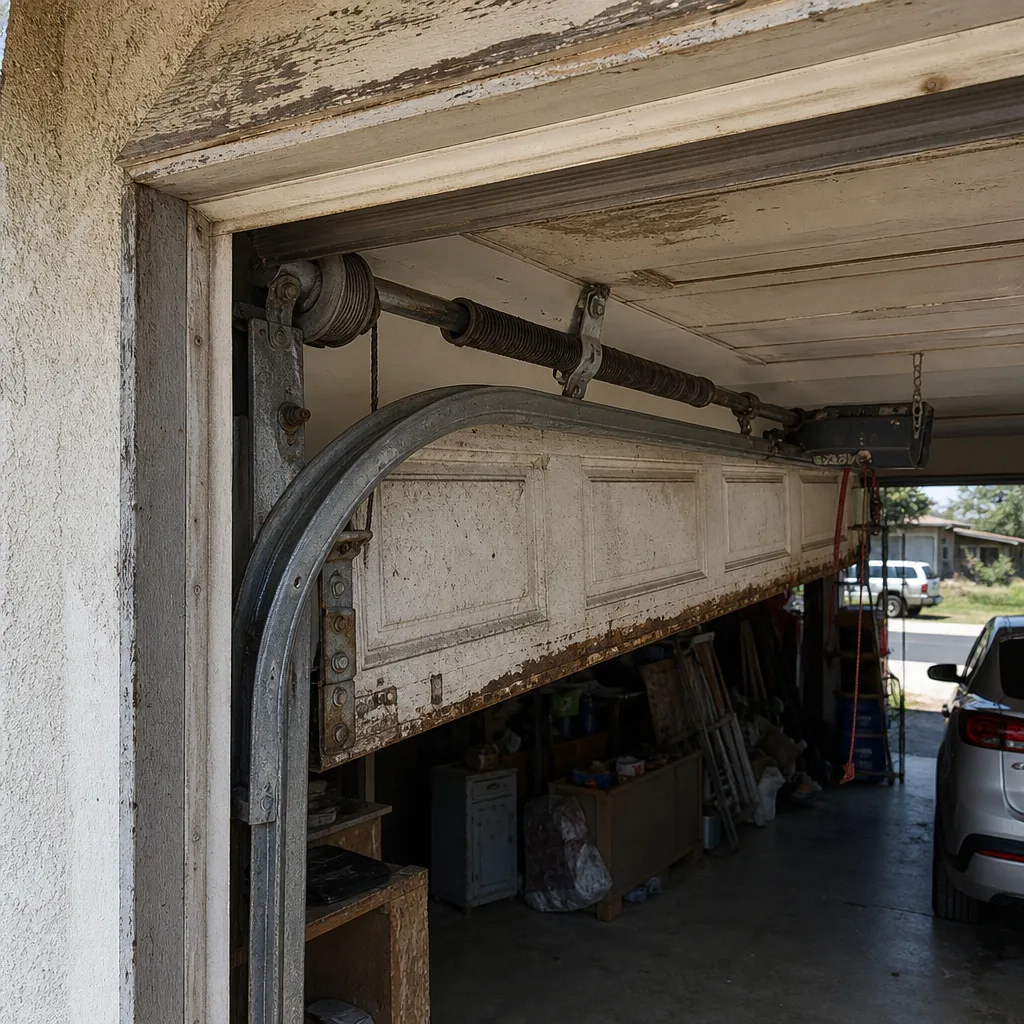 Before
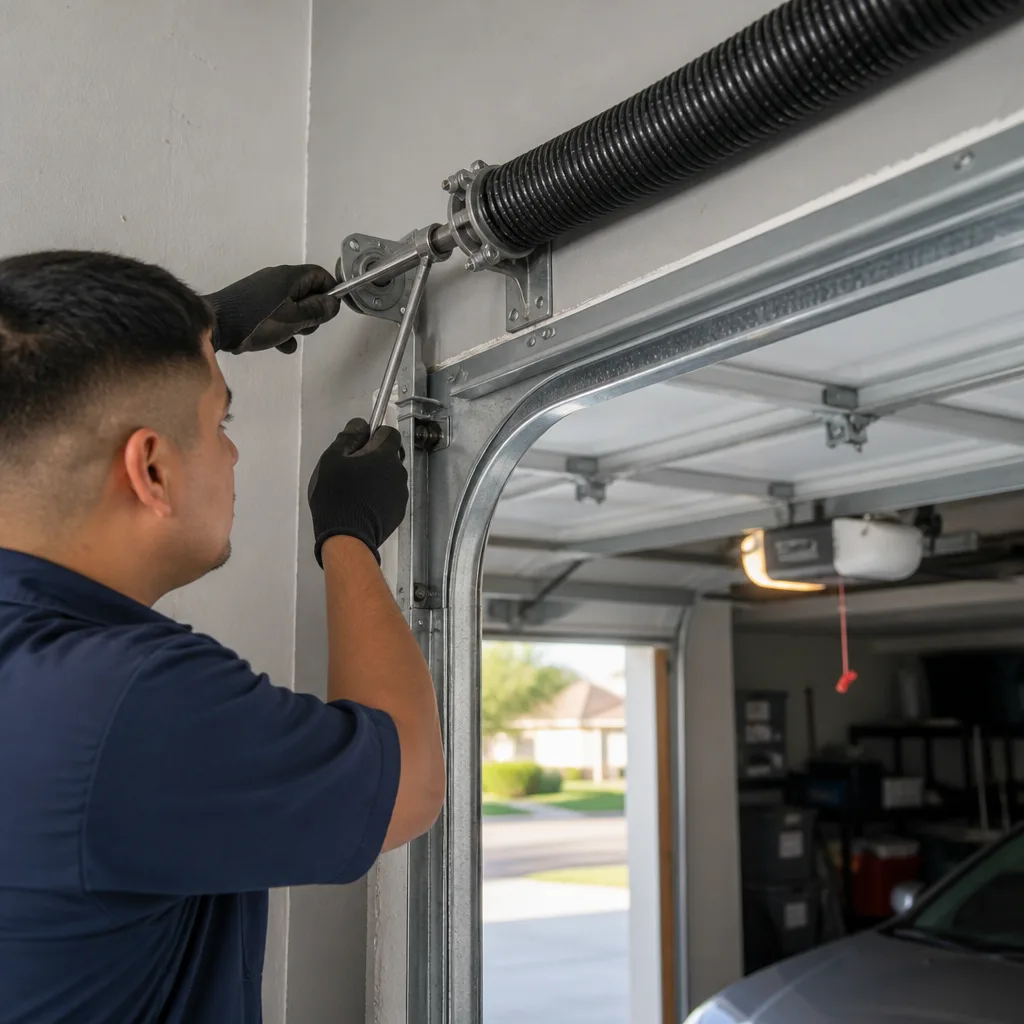 After
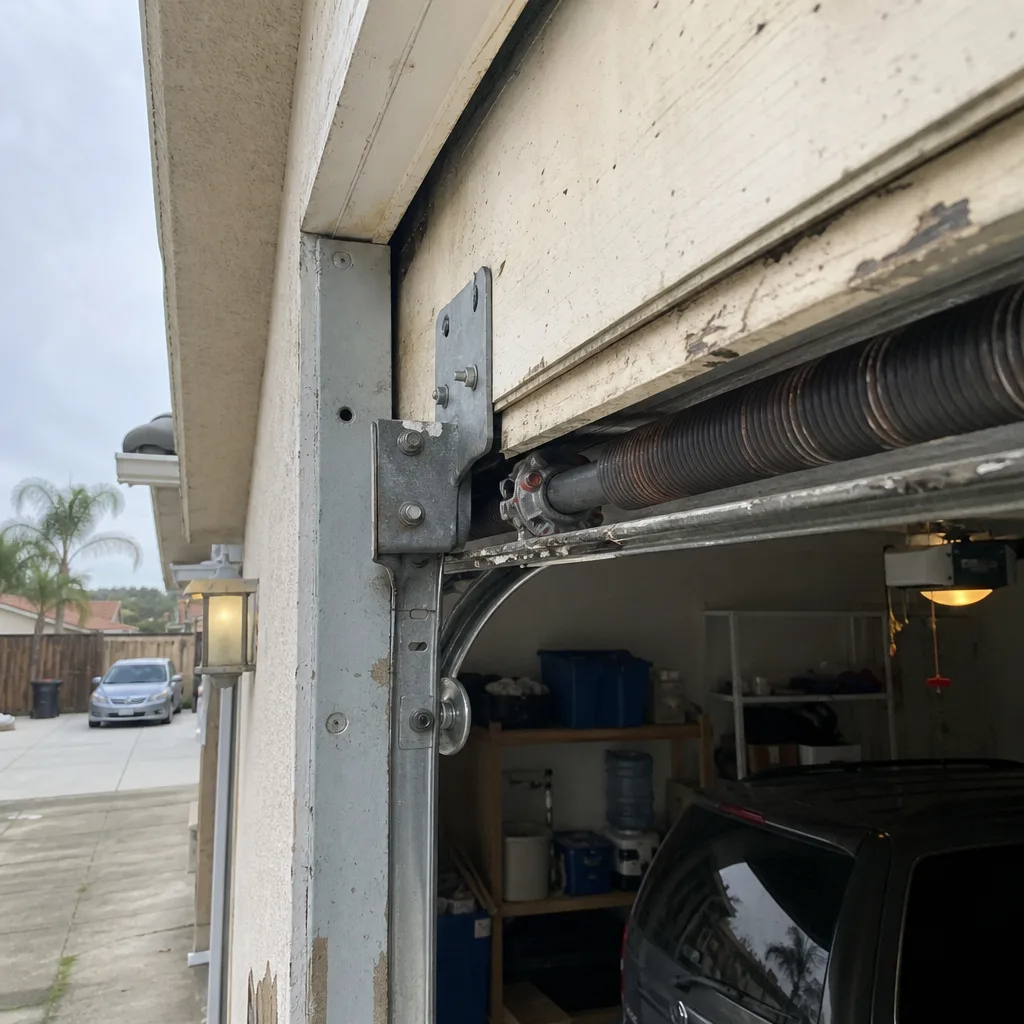 Before
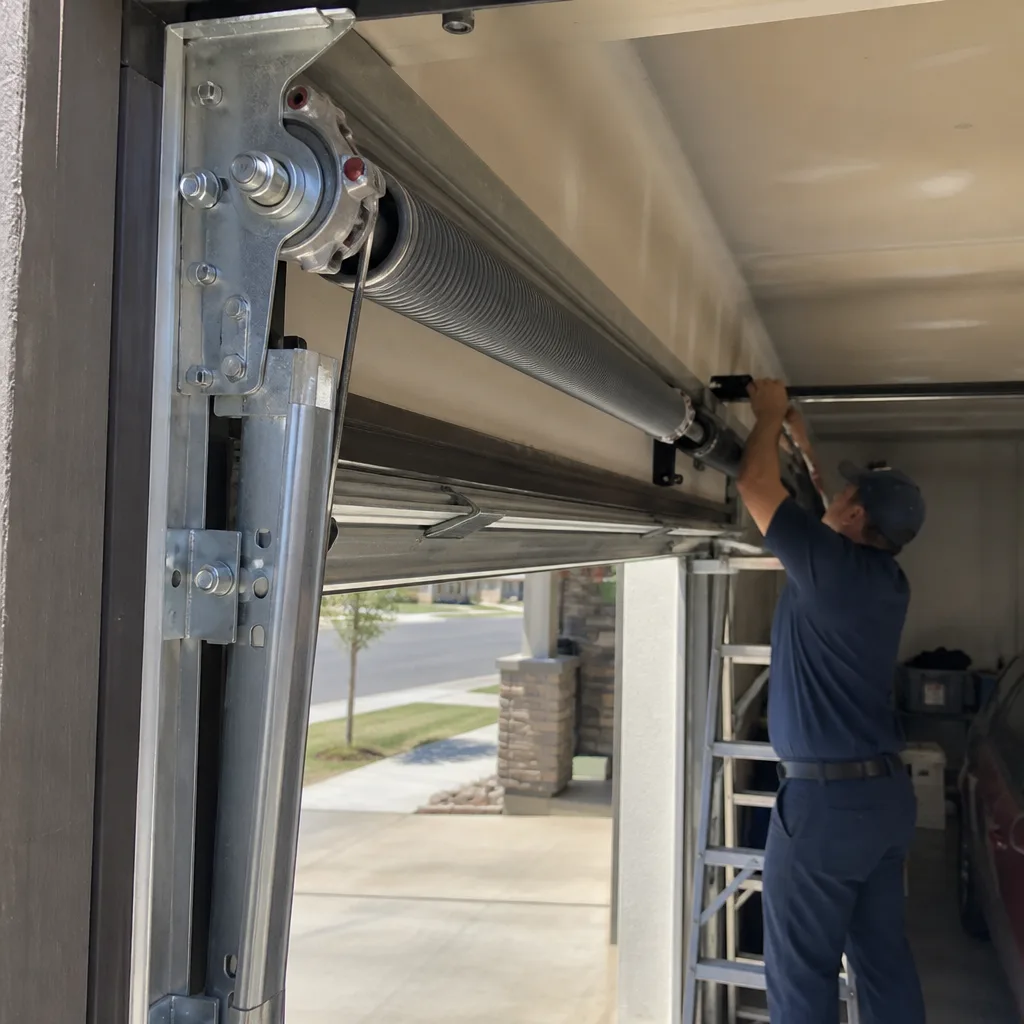 After