
Last updated November 2, 2026
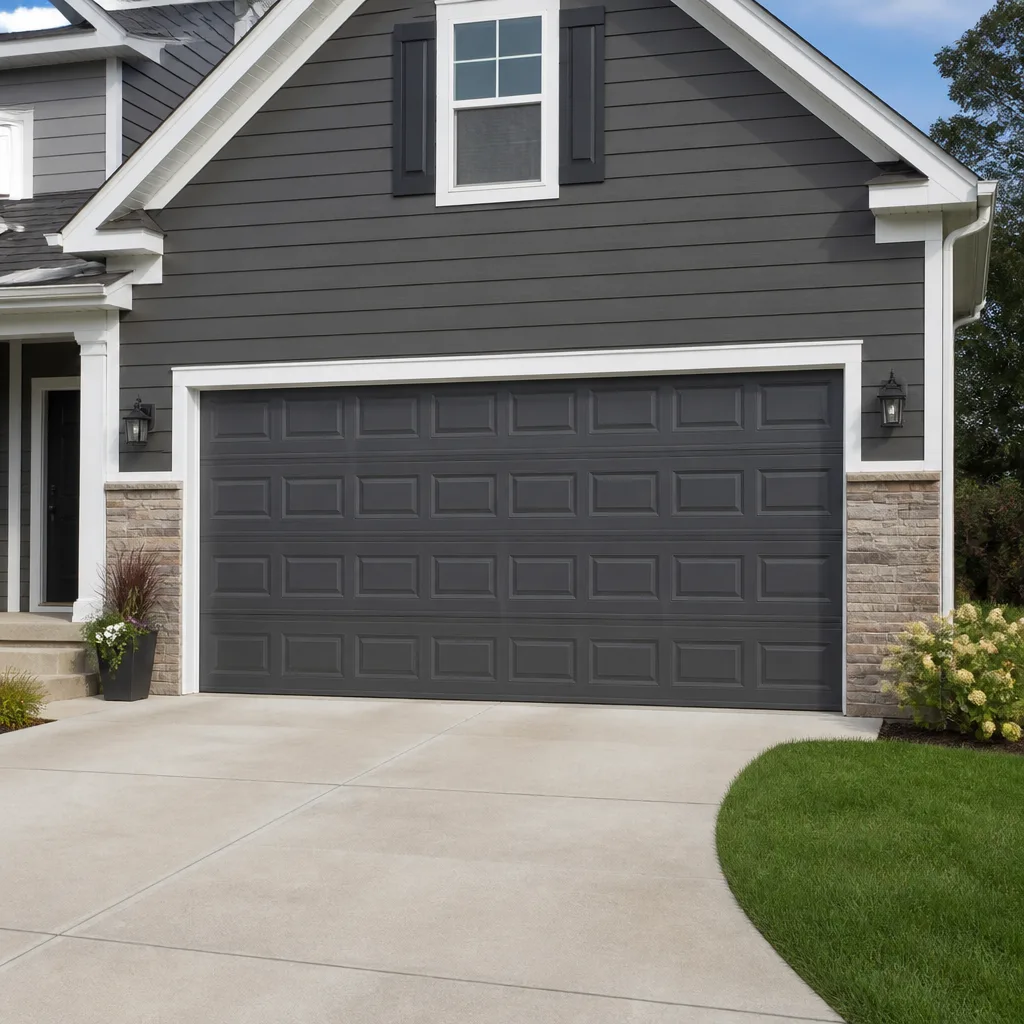 Raised-panel steel
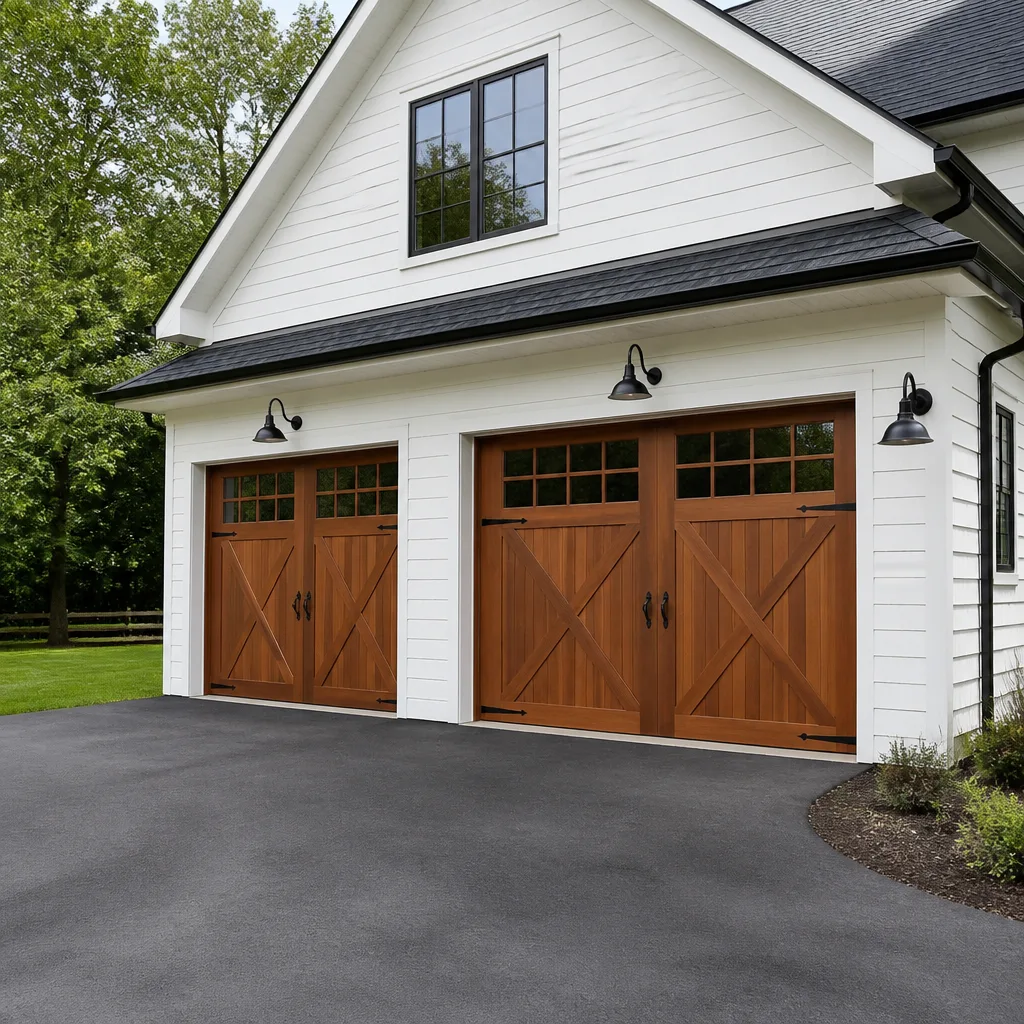 Carriage house
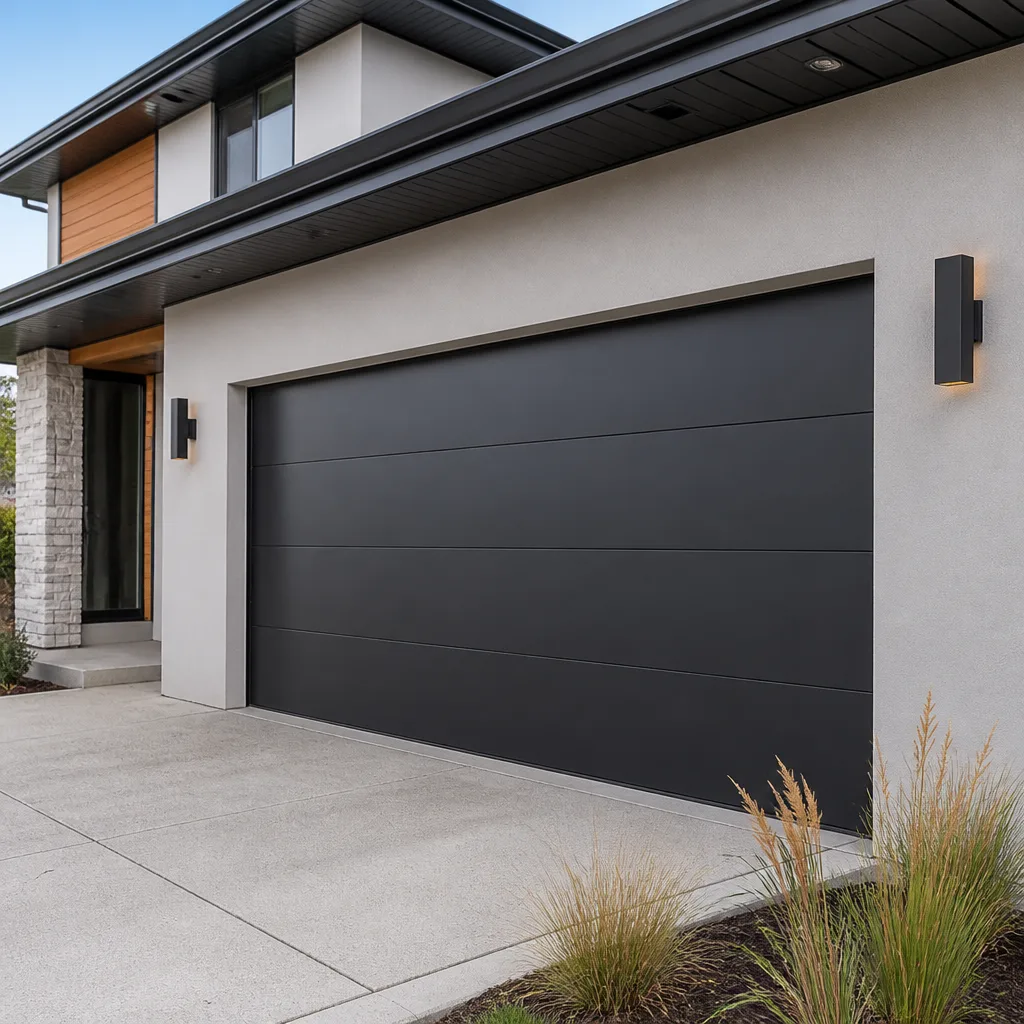 Modern flush
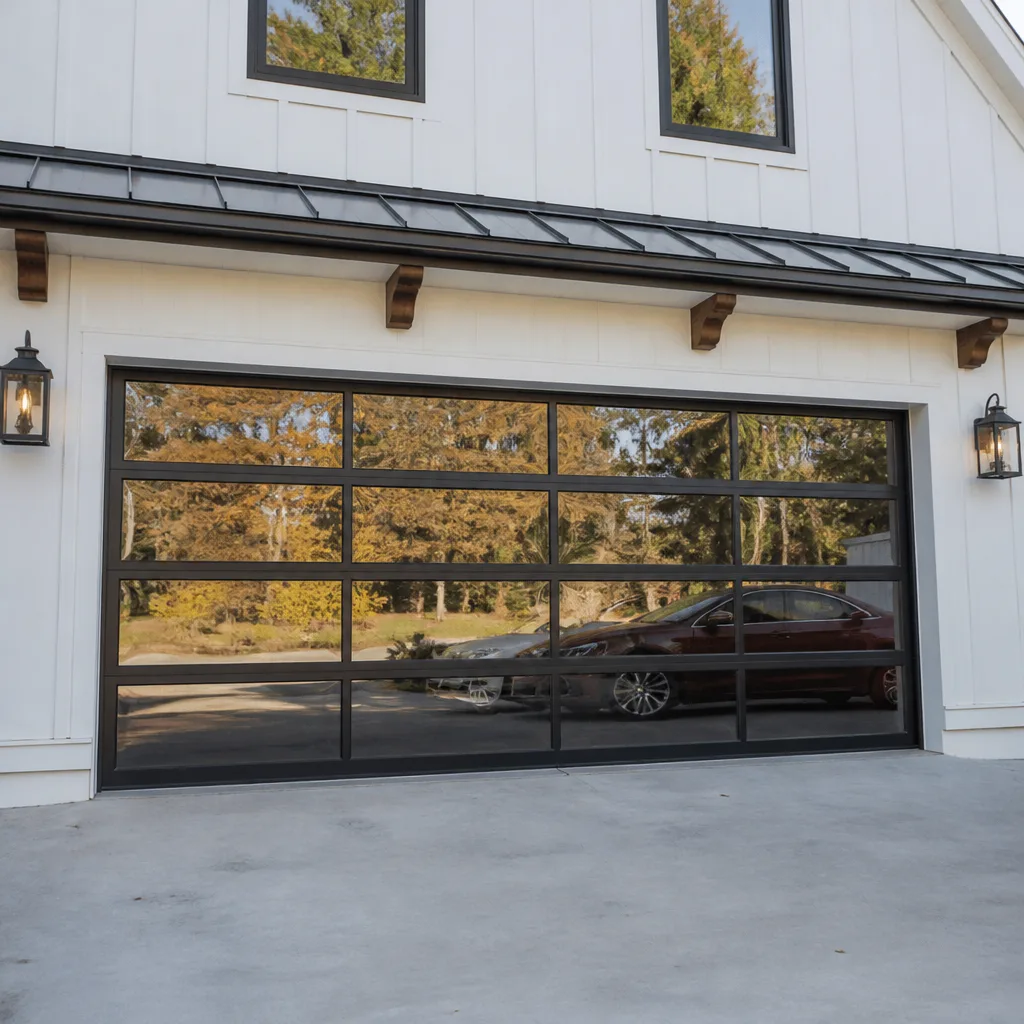 Full-view glass
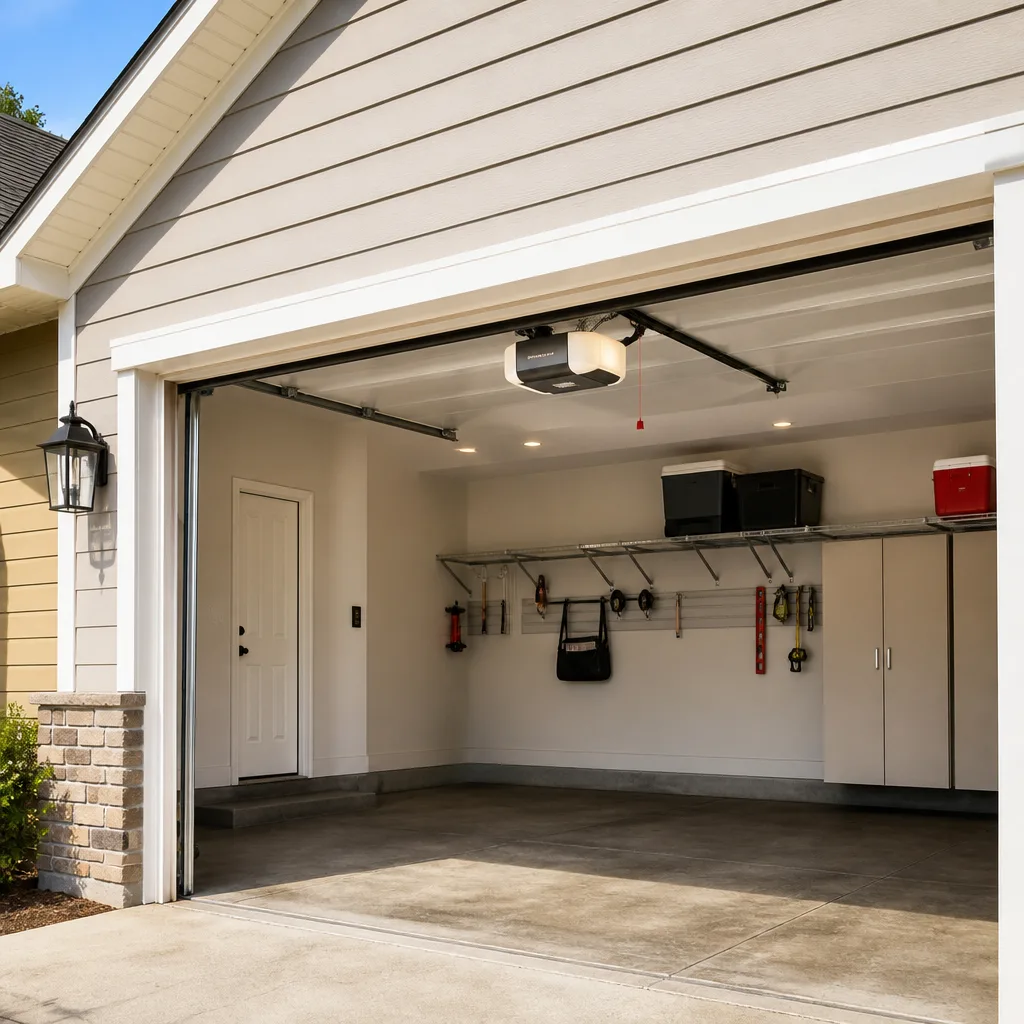 LiftMaster openers
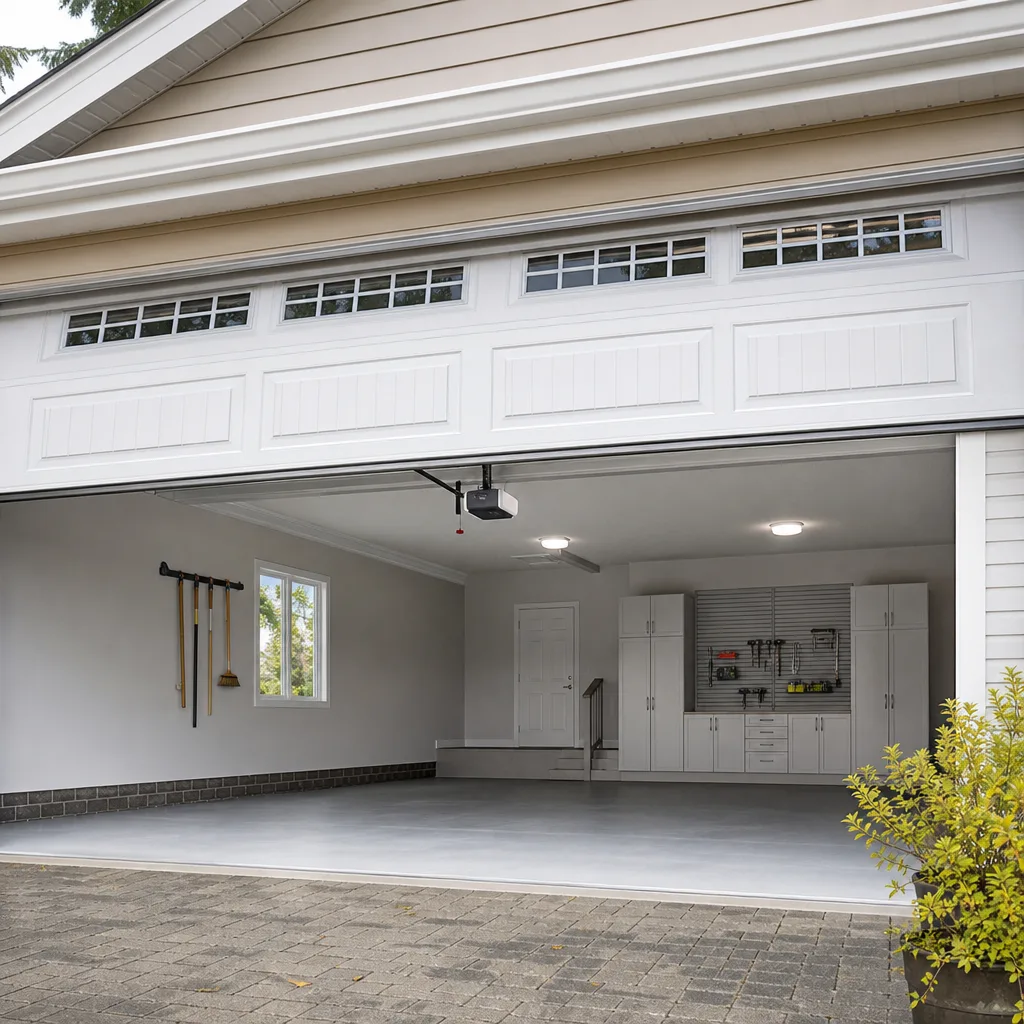 Chamberlain openers
Full 25-point door and opener safety check with every visit - springs, cables, rollers, tracks, and your LiftMaster or Chamberlain opener included
You get a price before we start. It does not change when the truck arrives.
Get your free estimateThe Complete Garage Door Repair Guide for San Jacinto Homeowners
San Jacinto’s garage doors don’t fail the way doors fail in coastal California. Our summer highs regularly push past 105°F, nighttime temps can drop 40 degrees, and the air carries fine dust from the San Jacinto Valley floor. That combination means thermal expansion cycles, UV degradation, and grit intrusion are the three biggest drivers of garage door failures here. This guide maps each of those local conditions to the specific repairs San Jacinto homeowners actually need, from spring failures in the heat of July to track misalignment after a Santa Ana wind event. You’ll learn what fails first, what it costs, what you can safely handle yourself, and when a specialist should take over.
Quick Answer
Garage door repair in San Jacinto typically runs $125 to $350 for most mechanical fixes like spring replacement, track realignment, or roller service, depending on the component and the door’s weight. Most repairs on standard sectional doors take 45 to 90 minutes once the technician arrives, and Osprey Garage Door Repair offers free estimates with the price confirmed before any work begins. The most common failures in this specific climate are heat-fatigued torsion springs, dust-scored rollers, and UV-brittled weather seals.
Styles & brands we work with
- Raised-panel steel
- Carriage house
- Modern flush
- Full-view glass
- LiftMaster openers
- Chamberlain openers
Table of Contents
- How San Jacinto’s Climate Accelerates Garage Door Wear
- The 6 Most Common Garage Door Repairs in San Jacinto
- What Garage Door Repairs Cost in San Jacinto
- DIY Repairs vs. What Requires a Technician in California
- A Seasonal Inspection Routine for High-Desert Homes
- How Long Each Repair Actually Takes
- Documenting Storm or Impact Damage for Insurance Claims
- Common Mistakes to Avoid
- When to Call a Professional
- Frequently Asked Questions
How San Jacinto’s Climate Accelerates Garage Door Wear
Most garage door maintenance schedules are written for moderate climates. They assume a door springs, rollers, and seals will degrade on a predictable timeline. San Jacinto doesn’t work that way. The high-desert environment of the San Jacinto Valley creates three specific stress patterns that shorten component lifespans measurably compared to national averages.
Thermal expansion and contraction. A steel garage door panel on a summer afternoon in San Jacinto can reach 140°F on its exterior surface while the interior stays around 100°F. When the sun sets and temperatures drop into the 60s, that metal contracts. Repeat this cycle 90 to 120 times each summer and the result is cumulative metal fatigue. We see this most clearly in track brackets that slowly loosen, panel screws that back out, and torsion springs that lose tension faster than their rated cycle life suggests.
Dust and grit intrusion. The San Jacinto Valley floor is fine sandy loam. When wind picks up, especially during Santa Ana events, that dust works its way into every moving part. Nylon rollers are particularly vulnerable: grit embeds in the bearing surface, creates friction, and wears the roller down to the steel hub within two or three seasons. The same dust fouls opener rails, grinding against the drive screw or chain and forcing the motor to work harder.
UV degradation of seals and polymers. Weather stripping, bottom seals, and rubber gaskets take direct sun exposure on west-facing doors. After two to three summers of 300+ days of intense UV, those seals harden, crack, and lose their flexibility. That’s not a cosmetic issue. A failed bottom seal lets dust, insects, and heat into the garage, and a cracked side seal lets water in during the rare but intense winter rain events we get in the valley.
These three factors mean San Jacinto homeowners should expect to replace rollers every 3 to 5 years rather than the 7 to 10 a coastal homeowner might expect, and inspect springs every 6 months instead of annually. If you want a more detailed breakdown of what our technicians see most often on repair calls, our Garage Door Repair in San Jacinto page covers the most common failure patterns in detail.
The 6 Most Common Garage Door Repairs in San Jacinto
Here are the repairs we handle most frequently for San Jacinto homeowners, ranked roughly by how often we see them. Each one has a specific failure pattern tied to our local climate conditions.
1. Broken Torsion Springs
Torsion springs carry the entire weight of the door. They’re rated for a specific number of open-and-close cycles, typically 10,000 for standard springs. In San Jacinto’s heat, the metal fatigues faster than the cycle rating would suggest because the constant expansion-contraction cycle weakens the spring steel at the molecular level. When a spring snaps, the sound is unmistakable: a loud bang like a gunshot from inside the garage. The door will not lift, or if it has two springs, it will lift unevenly and bind on the tracks.
What to do: Do not attempt to lift the door manually. Do not attempt to replace the spring yourself. Torsion springs are under hundreds of pounds of tension. The repair requires a professional with the correct winding bars and the experience to set tension precisely. This is not a DIY job under any circumstances.
Cost range in San Jacinto: $180 to $340 per spring installed, including the part and labor.
2. Dust-Scored Rollers and Hinges
Nylon rollers with sealed bearings are standard on most newer doors, but the bearing seals don’t hold up to fine San Jacinto Valley dust. Once grit gets past the seal, it scores the ball bearings and creates a grinding sound that worsens each week. Steel rollers fare worse: they don’t have bearings at all, so the wheel grinds directly on the shaft. Seized rollers drag on the track rather than rolling, which stresses the opener motor and can eventually pull the track out of alignment.
What to do: Replace all rollers as a set, not individually. Mixing old and new rollers creates uneven load distribution. Premium rollers with dual-sealed bearings cost more but last significantly longer in dust-heavy environments.
Cost range: $95 to $180 for a full set of 10 to 12 rollers, including labor.
3. Track Misalignment from Thermal Stress
Vertical and horizontal tracks are bolted to the wall and ceiling. In a climate with extreme temperature swings, those bolts work loose over time. When a track shifts even an eighth of an inch, the door starts binding, scraping, or jumping. Left unaddressed, a misaligned track accelerates roller wear and puts lateral stress on the cables, which can lead to a cable snapping under load.
What to do: A technician will loosen the track brackets, align the track using a level, and re-torque the bolts. On some older doors, the original bracket positions may need adjustment if the wall studs themselves have shifted.
Cost range: $100 to $190 per track, depending on the extent of the misalignment.
4. Opener Failure from Heat and Dust
Garage door openers in San Jacinto run hot. The motor generates heat during operation, and ambient garage temperatures in summer can exceed 110°F. The combination accelerates wear on motor bearings, capacitors, and the drive mechanism. Dust compounds the problem by adding friction to the rail and fouling the limit switch contacts. Older chain-drive openers are particularly vulnerable. Belt-drive and screw-drive models handle the dust better but still suffer from heat-related capacitor failures, which typically present as a humming sound with no movement.
What to do: If the opener hums but doesn’t move, the capacitor has likely failed. If the remote works intermittently, the logic board may be compromised by dust buildup. For a full breakdown of opener-specific failures and repair approaches, see our Garage Door Opener Repair in San Jacinto page. We work on LiftMaster, Chamberlain, Genie, and Craftsman openers in their current and legacy versions.
Cost range: $100 to $250 for component repair; $350 to $700 for full opener replacement including labor.
5. Broken Cables
Garage door cables carry the lifting force from the spring system to the bottom brackets of the door. In San Jacinto, cable failure usually follows one of two patterns: fraying from years of contact with dusty pulleys, or sudden snapping when a spring breaks and the full door weight transfers to the remaining cable. A broken cable leaves the door hanging unevenly or slammed to one side.
What to do: This is another job for a professional. The cable is under tension, and the door itself may be unstable. Attempting to re-spool a cable onto a drum without releasing spring tension first is extremely dangerous.
Cost range: $130 to $220 per cable, including tension adjustment.
6. UV-Damaged Panels and Weather Seals
Steel and aluminum panels fade, but the more pressing issue in San Jacinto is seal failure. The bottom rubber seal hardens and cracks after two or three summers, and the side and top vinyl trim becomes brittle. When seals fail, the garage fills with dust, heat, and pests. In some cases, west-facing doors show visible panel warping from extreme thermal cycling, which may require panel replacement or, if the warping is extensive, full door replacement.
What to do: Bottom seal replacement is straightforward and inexpensive. Panel replacement is more involved. If warping affects the door’s structural integrity or makes it impossible to balance, consider a new door installation. We install doors from Clopay, Amarr, and Wayne Dalton, and our Garage Door Installation in San Jacinto page covers material options and what to expect during a replacement.
Cost range: $60 to $120 for bottom seal replacement; $250 to $500 per panel; $1,200 to $4,500 for full door replacement depending on size and material.
What Garage Door Repairs Cost in San Jacinto
Here’s a realistic pricing breakdown for standard sectional garage door repairs in the San Jacinto area. These ranges reflect what we see in the San Jacinto Valley market, not national averages, which tend to understate costs in Southern California. Every price below is quoted and agreed to before work begins.
| Repair Type | Typical Range in San Jacinto | Time on Site | Urgency |
|---|---|---|---|
| Broken torsion spring (single) | $180 – $340 | 45 – 75 min | Same-day recommended |
| Full roller replacement (set of 10-12) | $95 – $180 | 45 – 60 min | Can schedule |
| Track realignment (per track) | $100 – $190 | 30 – 60 min | Can schedule |
| Broken cable (per cable) | $130 – $220 | 45 – 75 min | Same-day recommended |
| Bottom weather seal replacement | $60 – $120 | 20 – 30 min | Can schedule |
| Opener capacitor or logic board repair | $100 – $250 | 30 – 60 min | Can schedule |
| Opener full replacement (motor, rail, install) | $350 – $700 | 1.5 – 2.5 hrs | Can schedule |
| Panel replacement (per panel) | $250 – $500 | 1 – 2 hrs | Requires parts order |
These prices assume a standard two-car sectional door, roughly 16 feet wide. Larger doors, heavier wood doors, or high-lift configurations will run higher. We don’t charge a dispatch fee for estimates, and we don’t quote one price over the phone and change it on site. The price you agree to is the price you pay.
DIY Repairs vs. What Requires a Technician in California
There’s a clean dividing line between what a San Jacinto homeowner can safely do and what should be left to a trained professional. Here’s how we break it down.
Safe to Do Yourself
- Lubricating moving parts. Spray a white lithium grease on hinges, rollers (on the bearing surface only), and the opener rail. Do this every 3 to 4 months in San Jacinto’s dry climate.
- Tightening visible bolts and brackets. If you can see a bolt backing out on a track or hinge, you can tighten it with a socket wrench. If the track itself has shifted, call a pro.
- Replacing the bottom weather seal. Slide out the old rubber seal and slide in a new one. On most Clopay, Amarr, and Wayne Dalton doors, this is a 15-minute job with no tension involved.
- Testing the auto-reverse safety feature. Place a 2×4 under the door and close it. The door should reverse within 2 seconds of contact. This is a safety check every homeowner should do monthly.
- Cleaning the photo-eye sensors. Wipe dust off the sensor lenses with a dry cloth. San Jacinto dust builds up quickly, and dirty sensors are the most common cause of a door that won’t close.
Requires a Trained Technician
Anything involving tension: torsion springs, extension springs, and cables. These components are under hundreds of pounds of tension, and failure during a DIY attempt can cause serious injury or death. In California, there is no specific garage door technician license, but contractors performing paid work on garage doors must hold a California State Contractors License Board (CSLB) registration in the appropriate category. Always confirm that any technician you hire carries liability insurance for property damage.
Beyond tension components, leave track realignment to a pro. Without a proper level and understanding of how the door’s balance affects track position, you can make binding worse. Opener logic board and capacitor replacements should also be handled by someone who understands the wiring: a wrong connection can fry the board or create a shock hazard.
A Seasonal Inspection Routine for High-Desert Homes
Most manufacturer schedules suggest annual inspection. For San Jacinto homeowners, twice a year is more realistic. Here’s the routine we recommend, timed for spring and fall before the extreme seasons hit.
Spring Inspection (April in San Jacinto)
- Test the balance. Pull the release cord and lift the door manually to waist height. It should stay in place. If it rises or falls, the springs need tension adjustment.
- Check the rollers. Look for cracks in nylon wheels, visible scoring, or wobble. Rollers with worn bearings will sound gritty when the door moves.
- Inspect the bottom seal. Run your hand along the seal and look for cracks, stiffness, or gaps. After winter rain, a failed seal shows as dust lines inside the garage.
- Verify auto-reverse. Place a 2×4 flat on the floor under the door and close it. The door should reverse on contact. Test both the force and the photo-eye reversal.
- Listen to the opener. Run the door through a full cycle. Grinding from the rail means the drive mechanism needs attention. Clicking from the opener when stationary indicates a capacitor issue.
Fall Inspection (October in San Jacinto)
- Re-test spring tension. Springs that passed inspection in April may have lost tension through the summer heat. Test balance again.
- Clean the tracks and photo-eyes. Santa Ana winds start in the fall. Clear accumulated dust from the track interior and sensor lenses with compressed air or a dry cloth.
- Check all track bolts. The summer’s thermal cycles may have loosened bracket bolts. Tighten any that move under hand pressure, but call a pro if the track itself has shifted.
- Examine cables for fraying. Run gloved fingers along the cables and look for broken strands, rust at the pulley contact points, or wear at the bottom bracket attachment.
- Test the door’s full travel. Close and open the door completely. Watch for hesitation, uneven movement, or banging. Any of these signals developing track or spring problems.
How Long Each Repair Actually Takes
Understanding realistic timelines helps you decide whether to call for same-day emergency service or schedule at your convenience. Here’s what to expect in San Jacinto for the most common repairs.
- Broken spring replacement: 45 to 75 minutes on site. Same-day service matters here because the door won’t open, or will open dangerously unevenly. If your car is trapped inside, call immediately.
- Roller replacement: 45 to 60 minutes. This can usually wait a day or two, but if you hear grinding, the damage compounds every time the door runs.
- Track realignment: 30 to 60 minutes. Schedule within the same week. A binding track puts stress on every other component.
- Cable replacement: 45 to 75 minutes. Same-day urgency if the door is inoperable or hanging unevenly.
- Opener capacitor or logic board: 30 to 60 minutes if the part is on the truck. We stock common LiftMaster, Chamberlain, Genie, and Craftsman components in our San Jacinto service vehicles. If a less common part is needed, allow 2 to 4 business days for ordering.
- Full opener replacement: 1.5 to 2.5 hours. This is scheduled work, not emergency work. A failed opener mid-summer is inconvenient but not dangerous: you can still open the door manually.
- Panel replacement: 1 to 2 hours on site, plus 2 to 10 business days for the panel to ship from the manufacturer. Color matching on older doors may require repainting the full door.
- Full door installation: Half day on site, plus 2 to 3 weeks from order to installation for a custom Clopay, Amarr, or Wayne Dalton door in standard sizes.
Documenting Storm or Impact Damage for Insurance Claims
San Jacinto’s most common weather-related door damage comes from Santa Ana wind events and the occasional violent thunderstorm that tracks through the San Jacinto Valley. If your garage door is damaged by wind-blown debris, a fallen tree limb, or a vehicle impact, here’s how to document it properly for your homeowner’s insurance claim.
- Photograph everything before touching anything. Take wide shots showing the door in its full context, plus close-ups of every damaged panel, track, cable, or spring component. Use a coin or tape measure in close-up shots for scale.
- Document the date and time. Weather damage claims are stronger when tied to a specific storm event. Note the date of the Santa Ana wind event or thunderstorm, and if possible, reference local news reports or weather service data for that date.
- Do not attempt repairs before the adjuster visits. If the door is stuck open, you can board up the opening for security, but photograph the original state first and keep all damaged parts. The adjuster may want to see the failed components.
- Get a written repair estimate. Your insurance company will ask for a repair or replacement quote. We provide itemized written estimates that break out parts, labor, and any needed opener or track work. Homeowners in San Jacinto should ask for the estimate to specifically reference the cause of damage (wind, impact, etc.).
- Ask about code compliance. If the door or opener was manufactured before 1993, California building code and CPSC requirements may require upgrading the auto-reverse safety system during repair. Many insurance policies cover the incremental cost of required code upgrades; document this in the estimate.
If you’re in the middle of a claim and need a second opinion on a damage assessment, our garage door repair services in San Jacinto include written condition reports suitable for insurance submission.
Common Mistakes to Avoid
- Using WD-40 on rollers and hinges. WD-40 is a solvent, not a lubricant. It temporarily quiets a squeak by washing away remaining grease, then leaves the part drier than before. In San Jacinto’s dust-heavy air, a dry roller fails faster. Use white lithium grease on metal-to-metal contact points and a silicone-based lubricant on nylon.
- Replacing one spring instead of both. On two-spring doors, if one breaks, the other is at the end of its rated life. Replacing only the broken one means the older spring has less tension than the new one, causing imbalance. The second spring usually breaks within months. Replace both at once and pay for the marginal extra spring cost once, not twice in labor.
- Ignoring a gradually slowing door. A door that runs slower each month is not just old. It’s telling you the springs are losing tension and the opener motor is working harder. Early intervention costs less than a full spring and opener failure.
- Attempting to force a stuck door with the opener. If the door binds and the opener keeps pulling, you risk snapping a cable, bending a track, or burning out the opener motor. Disengage the opener and diagnose manually before running the motor against resistance.
- Not testing auto-reverse after any repair or adjustment. Every time a technician adjusts anything on your door, test the auto-reverse function yourself afterward. The CPSC safety standard exists because of real injuries and deaths. This takes 30 seconds and should be routine.
- Choosing a repair service based on lowest price alone. In San Jacinto, a door serviced with cheap parts and rushed labor will fail again within two seasons given the climate demands. The total cost of ownership is lower with quality components installed correctly the first time.
When to Call a Professional
Call a professional when the issue involves any tension-bearing component: springs, cables, or the bottom brackets where cables attach. Call when the door is visibly out of level, when it bangs during operation, when the opener hums but won’t move, or when the door reverses for no visible reason. Call when you’ve tightened everything you can safely reach and the problem persists. Call when your gut says the door doesn’t feel right, even if you can’t identify the issue. A garage door weighs 150 to 400 pounds. When it fails, it fails through a path of least resistance, and that path sometimes runs through a car, a wall, or a person. Osprey Garage Door Repair offers free estimates in San Jacinto. Call (866) 883-7857 and we’ll send a technician who works on your brand as a specialty, not an afterthought.
Frequently Asked Questions
Spring replacement in San Jacinto typically runs $180 to $340 for a single torsion spring, including parts and labor. If your door has two springs, replacing both at once costs $300 to $550 total. The price is quoted and agreed to before any work begins.
Yes, for most mechanical repairs. Spring, cable, roller, and track issues are typically resolved in a single visit with same-day availability. Opener repairs are usually same-day if the needed component is a common LiftMaster, Chamberlain, Genie, or Craftsman part we stock on the service vehicle. Call (866) 883-7857 and we’ll confirm current availability.
The San Jacinto Valley climate accelerates wear through extreme temperature swings, dust intrusion, and high UV exposure. These conditions stress springs, rollers, seals, and openers faster than the coastal or moderate climates where most maintenance schedules were written. Expect more frequent roller and seal replacement here than in other California regions.
Osprey Garage Door Repair technicians are trained to service LiftMaster, Chamberlain, Genie, Clopay, Amarr, Wayne Dalton, Craftsman, and Raynor equipment. We work on the brand you already have, whether it’s a 1990s Craftsman opener or a current-gen smart Chamberlain. If your brand isn’t on this list, call us and we’ll tell you honestly whether we can help.
No. We quote the repair price before work begins, and that price holds. If a secondary issue is discovered during the repair that wasn’t visible during diagnosis, we’ll show you the issue, explain the needed work, and get your approval before proceeding. You will never receive an invoice higher than the agreed quote without prior discussion.
Check the photo-eye sensors first: dust buildup on the lenses is the most common summer closing problem in San Jacinto. Wipe the lenses with a dry cloth and try again. If the door still won’t close, the issue may be a heat-affected capacitor or a warping panel binding the track. Call us at (866) 883-7857 and we’ll diagnose it over the phone or dispatch a technician.
The Bottom Line
San Jacinto homeowners face garage door challenges that generic maintenance guides don’t address. Heat fatigue, dust intrusion, and UV degradation mean springs, rollers, seals, and openers wear faster here than a national-average schedule would predict. The fix is simple: inspect twice a year, address problems before they compound, and use a technician who understands the local conditions and your specific brand of equipment. Osprey Garage Door Repair handles it all under one roof: mechanical door repair, opener diagnosis and replacement, and full new-door installation. Garage doors are the only thing we do. That’s the whole point.
Written by the team at Osprey Garage Door Repair, serving San Jacinto since 2011.
See the difference
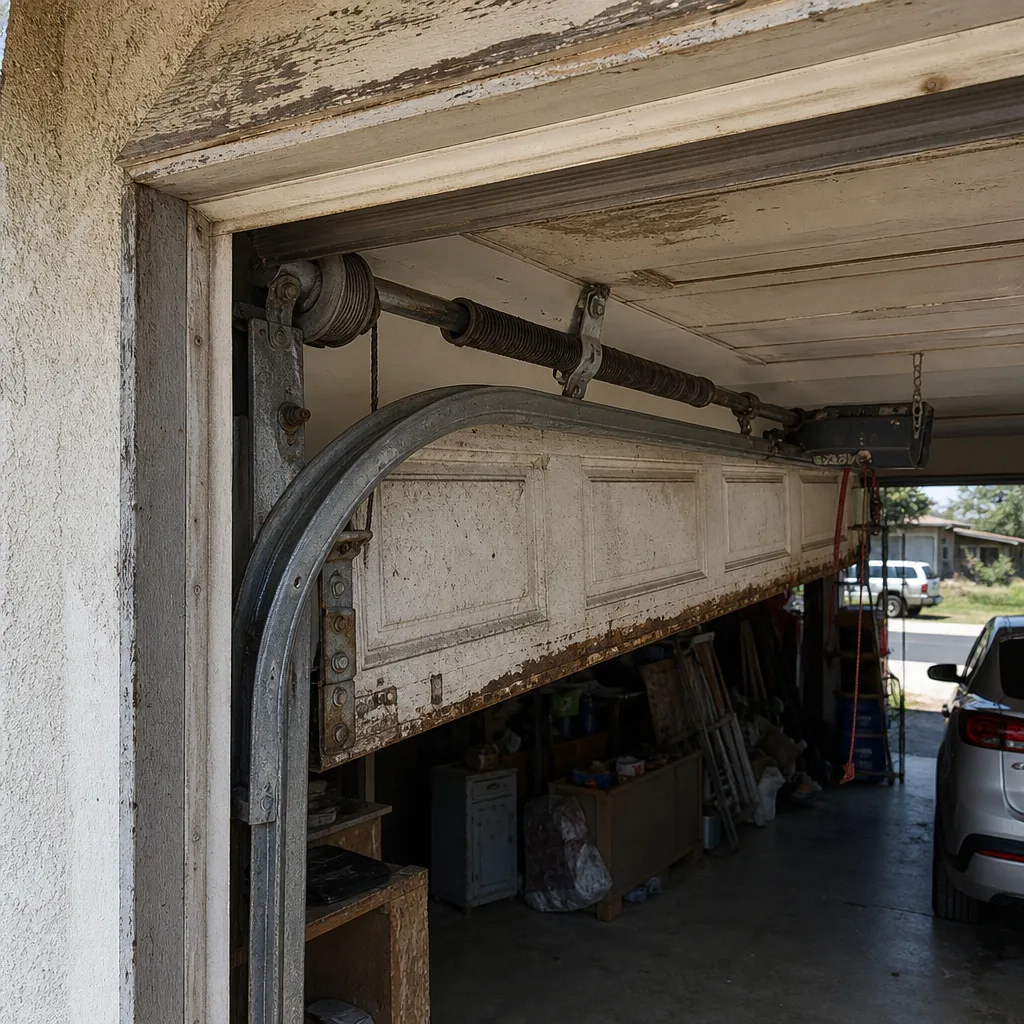
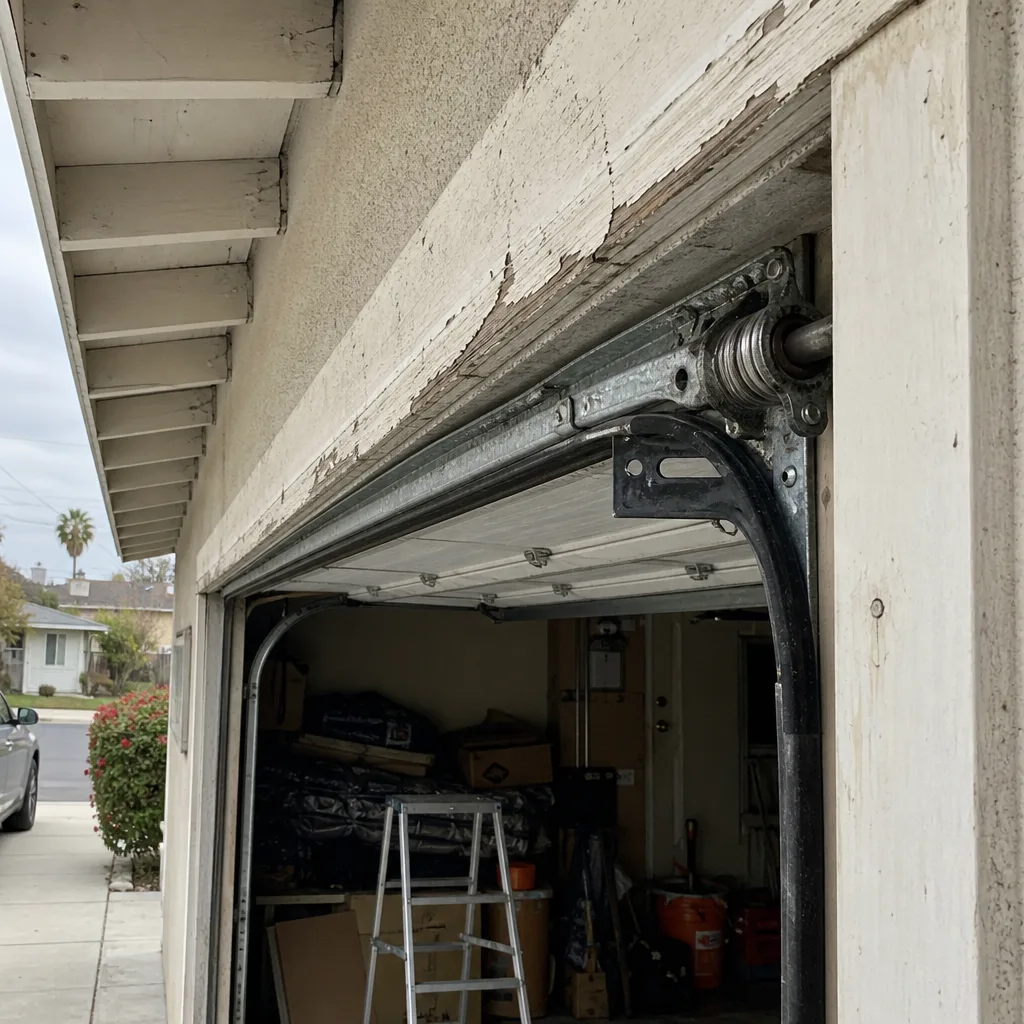 Before
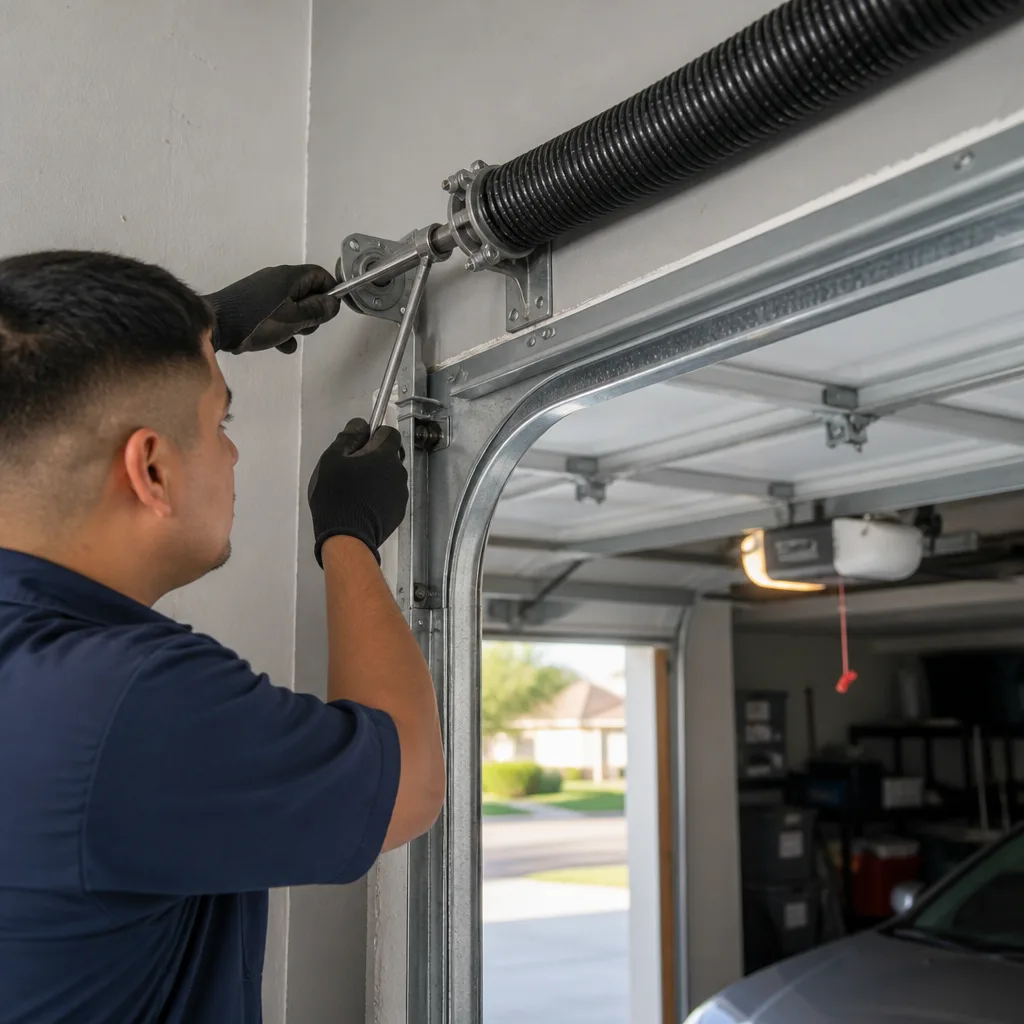
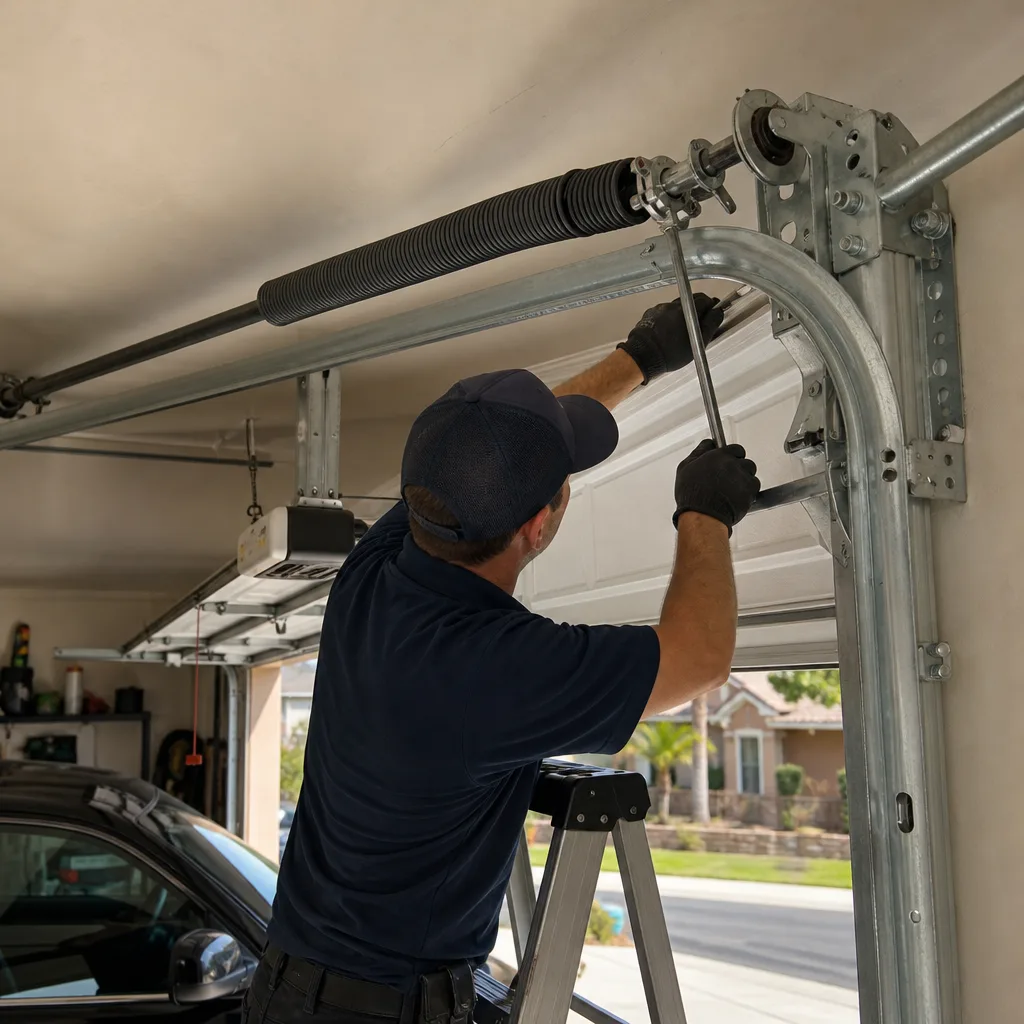 After
 Before
 After
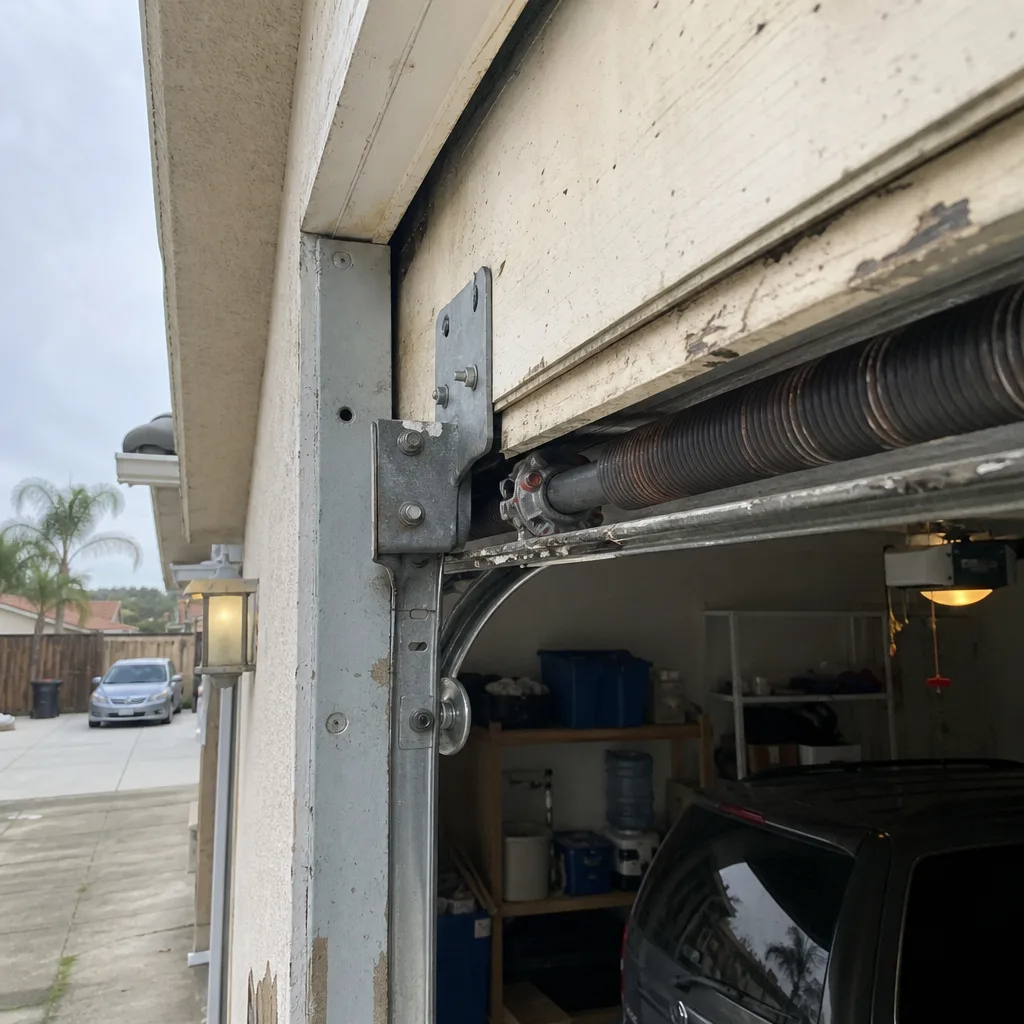 Before
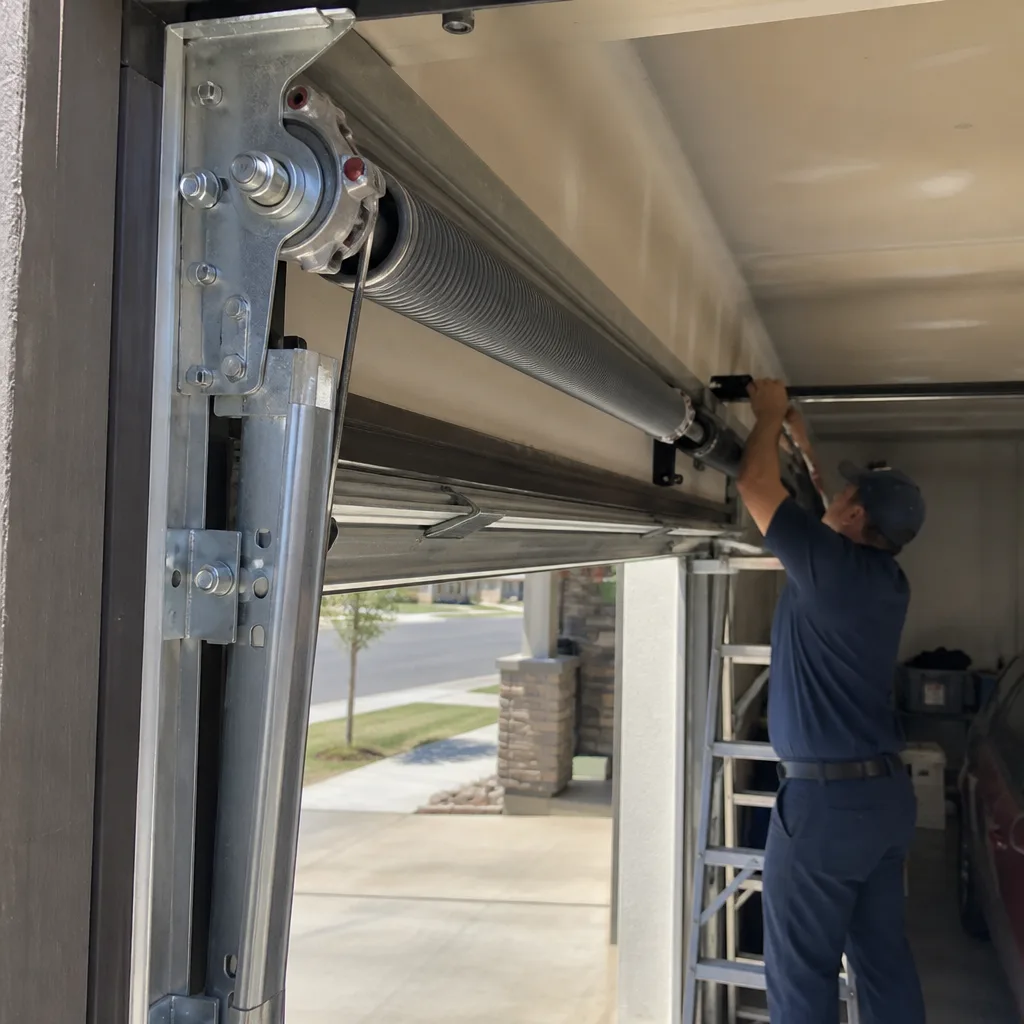 After