
Last updated November 3, 2026
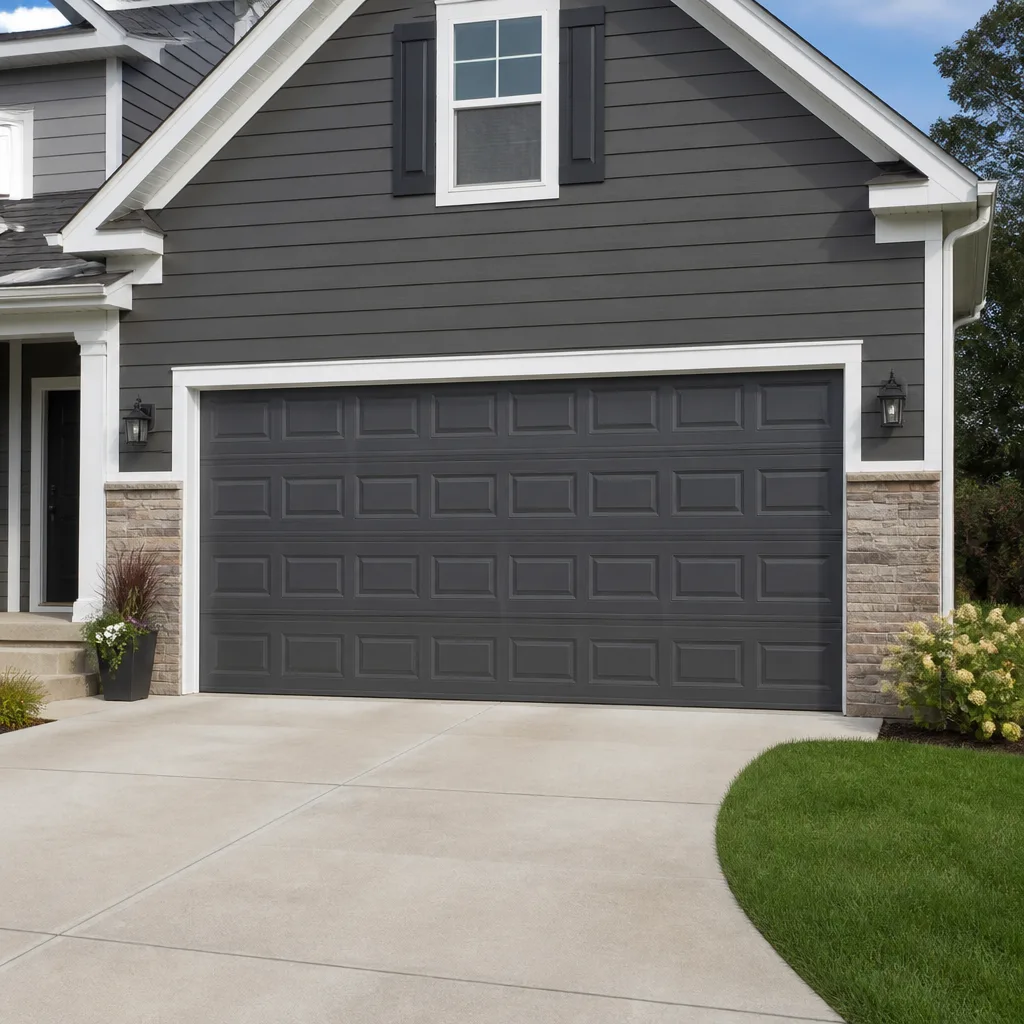 Raised-panel steel
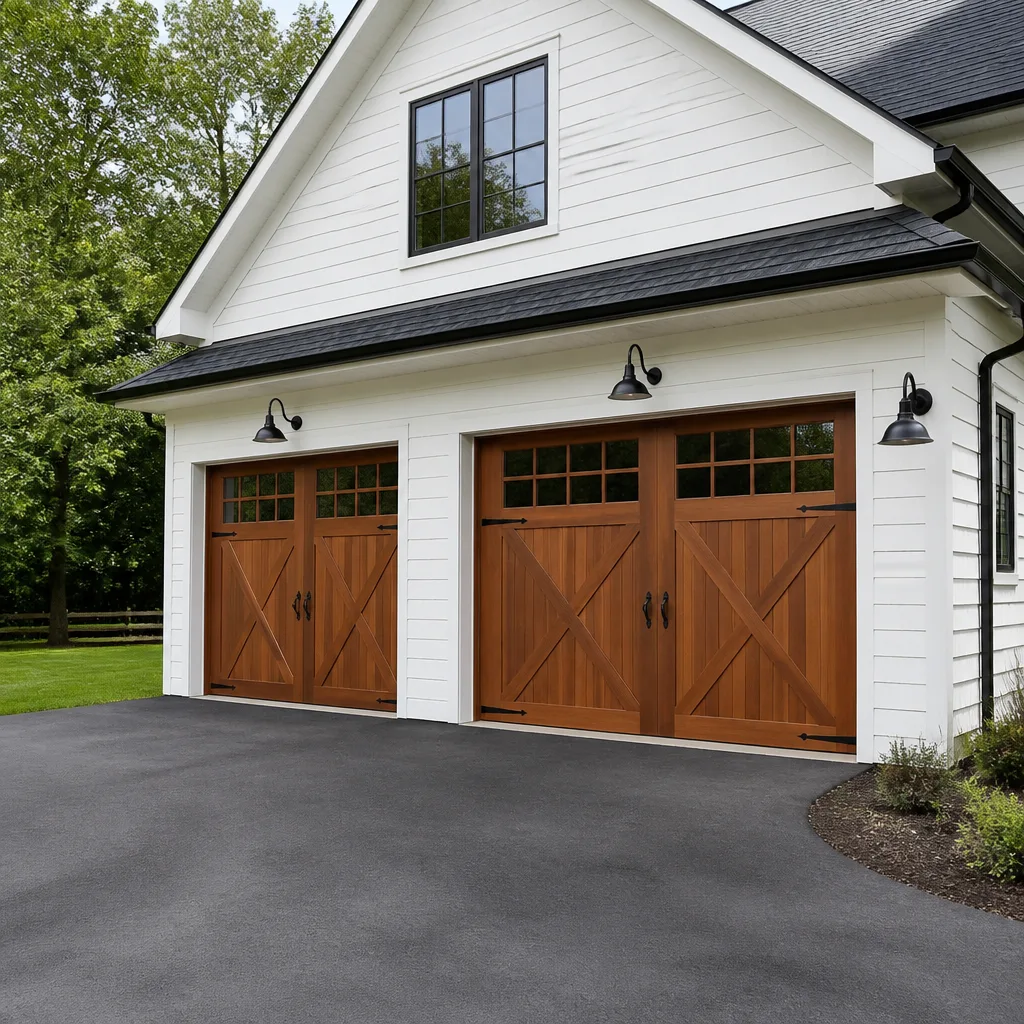 Carriage house
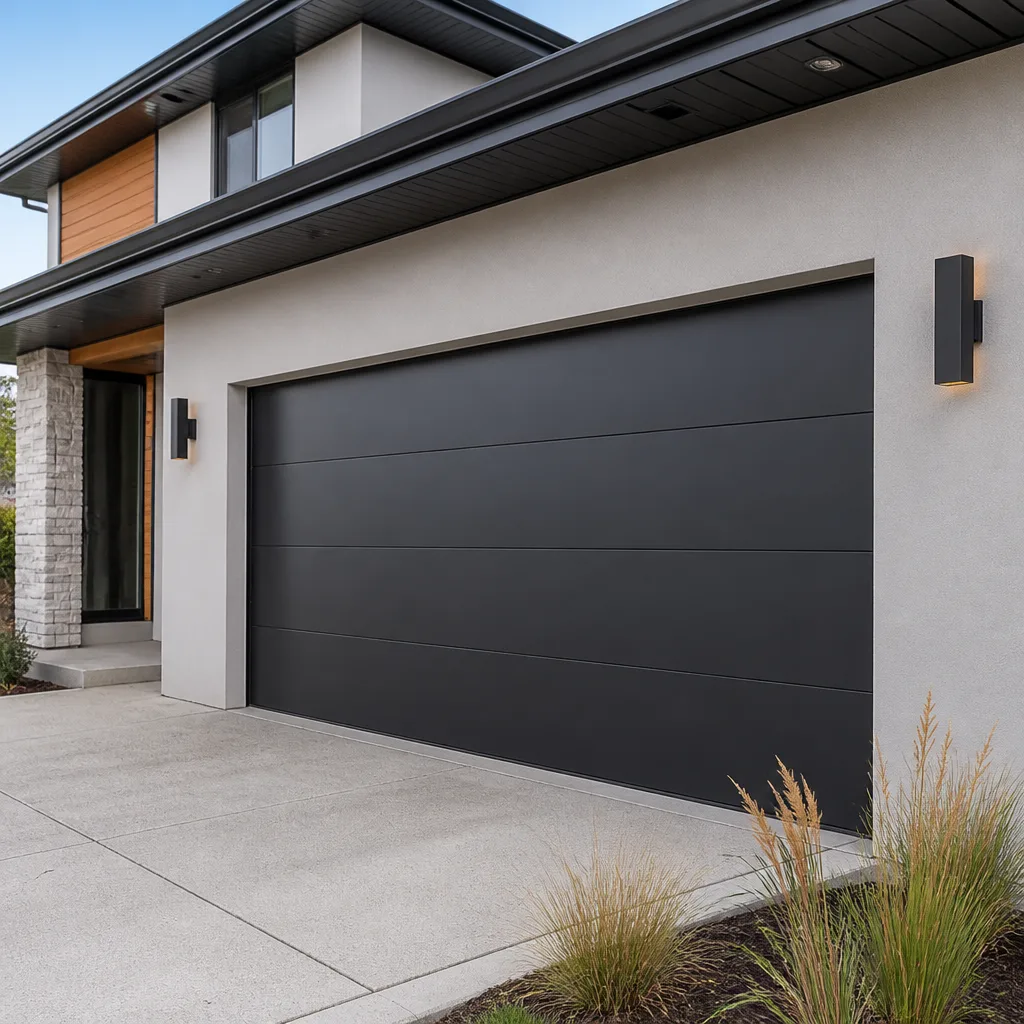 Modern flush
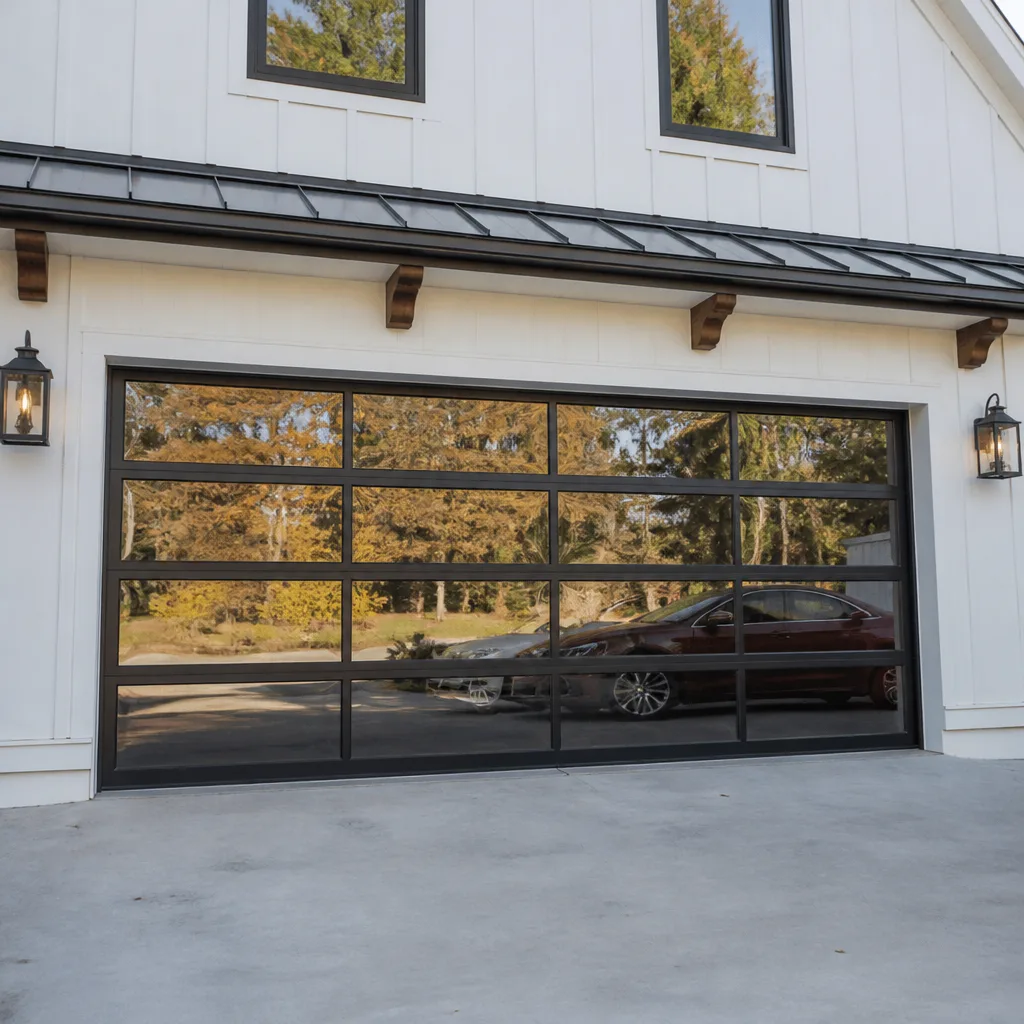 Full-view glass
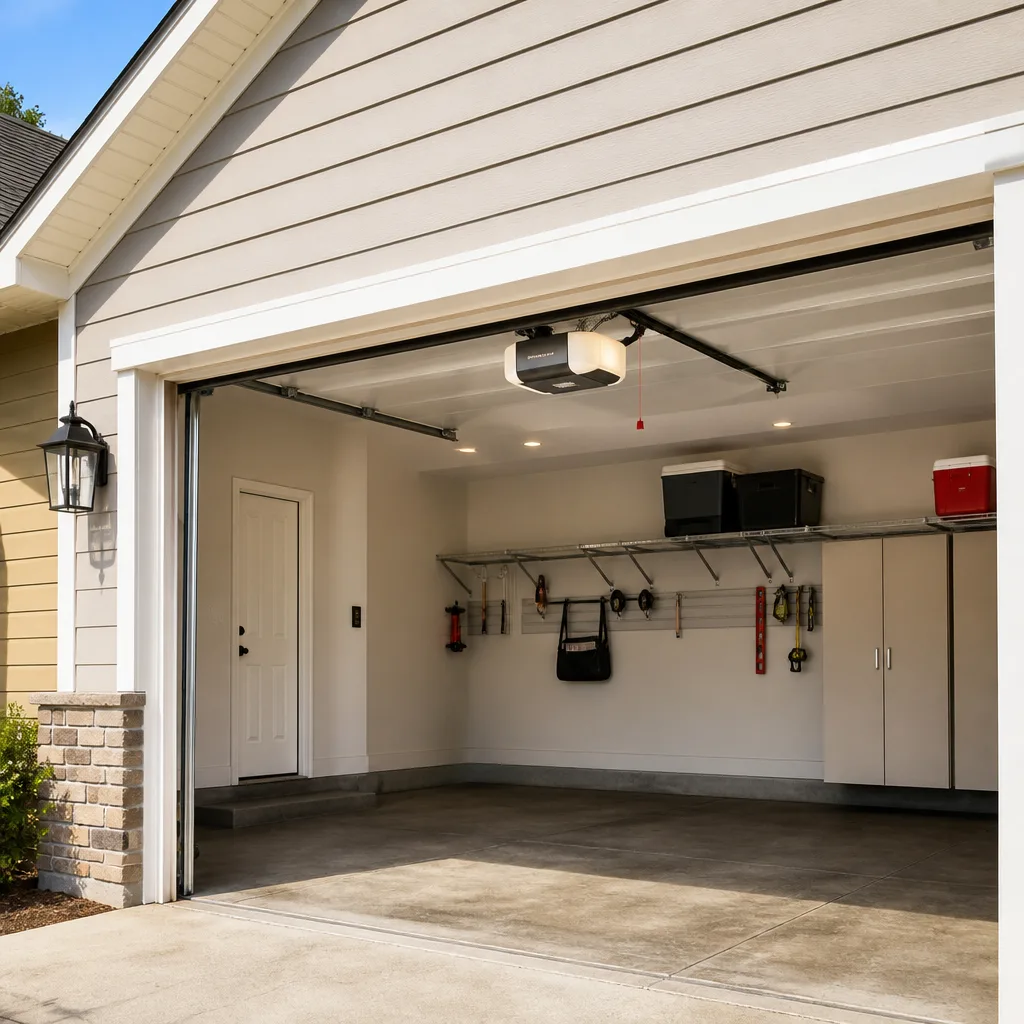 LiftMaster openers
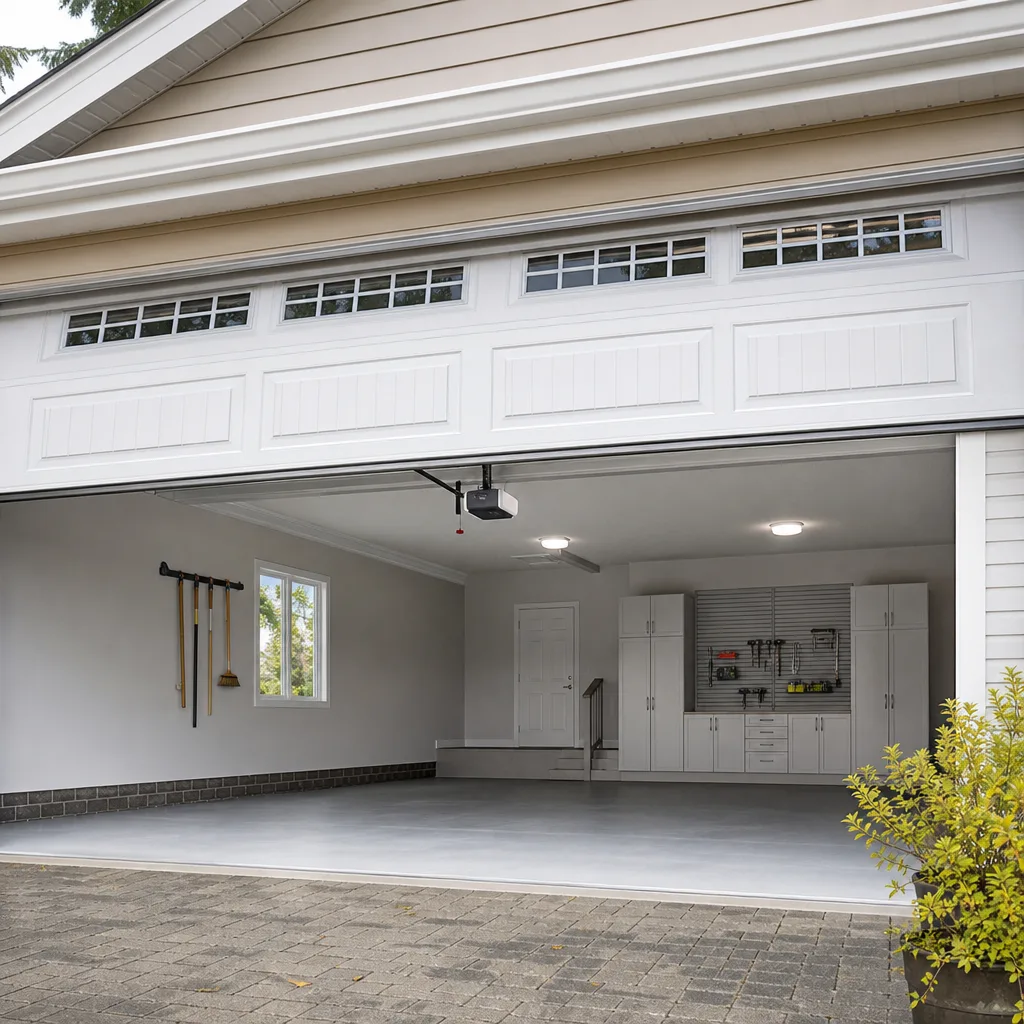 Chamberlain openers
Full 25-point door and opener safety check with every visit - springs, cables, rollers, tracks, and your LiftMaster or Chamberlain opener included
You get a price before we start. It does not change when the truck arrives.
Get your free estimateSeasonal Garage Door Care for San Jacinto: Year-Round Homeowner’s Guide
Most seasonal garage door guides are written for the Midwest. They tell you to bundle up your springs against freezing temperatures, scrape ice off your weatherstripping, and worry about snow load on your panels. If you live in San Jacinto, that advice is useless. What actually shortens garage door life here is ultraviolet exposure, fine dust from Santa Ana winds, and summer heat that pushes garage interiors past 110°F. This guide rewrites the seasonal calendar around the conditions San Jacinto homeowners actually face, so you spend time on the maintenance that matters and skip the rituals that don’t. For more, see our more guides & resources.
Styles & brands we work with
- Raised-panel steel
- Carriage house
- Modern flush
- Full-view glass
- LiftMaster openers
- Chamberlain openers
Quick Answer
Seasonal garage door care in San Jacinto means adjusting your maintenance priorities by quarter: summer demands UV and heat protection for panels and openers, fall requires post-Santa Ana wind inspection and dust mitigation, winter calls for cold-morning operation checks and spring tension awareness, and spring is the one time to calibrate balance, hardware, and lubrication together. A south-facing door in San Jacinto needs more frequent finish and seal inspection than a north-facing one, and most seasonal problems can be caught with a 20-minute visual check four times a year.
Table of Contents
- The San Jacinto Climate Reality: Four Seasons, One Overlooked Pattern
- Summer Care: Heat, UV, and the 110°F Garage Problem
- Fall Care: Santa Ana Wind Season and Dust Protocol
- Winter Care: What Mild Inland Empire Winters Actually Do
- Spring Reset: The One Real Calibration Season
- How Door Orientation Changes Your Priority Order
- The 10-Minute Monthly Checklist for San Jacinto Homeowners
- Common Mistakes to Avoid
- When to Call a Professional
- Frequently Asked Questions
- The Bottom Line
The San Jacinto Climate Reality: Four Seasons, One Overlooked Pattern
San Jacinto sits in the San Jacinto Valley, where summer highs routinely pass 100°F and winter nights can dip into the 30s. That swing matters. A garage door is a moving assembly of steel, aluminum, wood composite, vinyl, and torsion springs, and every one of those materials expands and contracts with temperature change. The result is a system that’s constantly adjusting itself, often in ways you won’t notice until something binds, squeals, or fails.
We service doors across San Jacinto and the surrounding valley, and the pattern we see is consistent: homeowners in this area are more likely to deal with sun-baked panel warping in July than frozen hardware in January. The dust that blows through the pass during wind season works its way into roller tracks and hinge pins, creating the grinding noise that most people wrongly attribute to age. Understanding these local stress patterns is the difference between a garage door that lasts 12 years and one that needs replacement at 8.
What Actually Wears Doors Out Here
- UV radiation: San Jacinto averages more than 270 sunny days per year. UV breaks down paint, powder coating, and vinyl weatherstripping faster than rain or cold ever will.
- Thermal cycling: A steel door on a south-facing wall can hit 140°F surface temperature in August, then cool to 40°F by January. That repeated expansion and contraction loosens fasteners and stresses panel joints.
- Fine particulate dust: Santa Ana winds carry abrasive silt from the desert. It settles on horizontal surfaces, including the inside of tracks and the bearing surfaces of rollers.
- Low humidity for most of the year: Rubber and vinyl seals dry out and crack rather than rot. Different failure mode, same result: gaps at the bottom of the door.
Summer Care: Heat, UV, and the 110°F Garage Problem
Summer is the harshest season for San Jacinto garage doors, and it’s the one most homeowners ignore because nothing looks broken. Here’s the direct answer: the three things to check every June through September are panel finish integrity, weatherstripping condition, and opener thermal behavior. When your garage interior exceeds 110°F, which happens regularly in San Jacinto from July through early September, your opener’s motor thermal cutoff can trip and leave the door stuck halfway.
Step-by-Step Summer Inspection
- Inspect panel finishes on all sides. Walk around the door with the sun at your back. Look for fading, chalking, or peeling on the exterior face. Pay special attention to the top panel, which gets the most direct sun exposure. A chalky surface means the protective coating has failed and rust or delamination is next.
- Check weatherstripping for heat damage. The vinyl or rubber strips along the bottom edge and the sides crack when they dry out. Run your fingers along them. If you feel brittleness or see small splits, they need replacement before winter rain arrives.
- Test opener performance during peak heat. On a day when it’s above 100°F, open and close the door twice in a row with a 30-second pause between cycles. If the opener stalls on the second cycle, it’s likely hitting its thermal protection. This is a sign the motor is working harder than it should, often due to poor door balance rather than ambient heat alone.
- Lubricate moving parts at dawn or dusk. Spray lithium grease on the torsion spring, hinge pins, and roller stems when the metal is cool. Lubricating hot metal causes the carrier solvent to flash off before the lubricant penetrates.
- Check for panel warping on south-facing doors. Look down the plane of the door from the side. A warp of even half an inch changes how the door sits in the tracks and accelerates roller wear.
What Summer Heat Does to Openers
Garage door opener motors generate their own heat during operation. Add a 110°F ambient temperature inside a poorly ventilated garage, and the motor’s internal thermal sensor may shut the unit down mid-cycle. This isn’t a defect. It’s a safety feature. But it’s also a signal. In our experience in San Jacinto, most summer opener thermal shutdowns trace back to a door that’s out of balance, forcing the motor to work harder than it should. The fix is usually a torsion spring adjustment, not a new opener. That’s why garage door opener repair in San Jacinto starts with a balance check before we ever open the motor housing.
Chamberlain and Genie openers sold in the last decade include thermal protection circuits, but trip points vary. A Chamberlain from 2018 might shut down at a lower internal temperature than a newer Genie unit. The brand matters less than the door’s balance. A properly balanced door lets the opener do its job without overheating, even when the garage is an oven.
Fall Care: Santa Ana Wind Season and Dust Protocol
Santa Ana wind events typically start in October and peak through December in San Jacinto. These winds don’t just rattle doors. They drive fine desert dust into every gap in your garage door system. The dust is abrasive, and it works like sandpaper on rollers, tracks, and hinges. Your fall maintenance priority should be post-wind inspection and dust removal.
What Santa Ana Winds Do to Your Door
- Track misalignment: Strong gusts push against a closed door with hundreds of pounds of force. Repeated wind loading can shift tracks, especially on single-car doors with lighter frames.
- Bottom seal displacement: The rubber strip on the bottom of the door catches wind-driven debris and can pull loose from its retainer channel.
- Debris accumulation: Leaves, twigs, and plastic bags blow into the tracks, the photo-eye path, and the space between the door and the jamb.
- Dust infiltration: Fine silt settles on horizontal surfaces: the inside of tracks, the top of the opener rail, the bearing plates at each end of the torsion tube.
Fall Maintenance Protocol for San Jacinto
- After the first major wind event, inspect both tracks from top to bottom. Look for debris and any gap between the track and the wall brackets. A track that’s shifted even a quarter inch can cause the door to bind.
- Clean the tracks with a dry rag or vacuum. Do not grease the tracks. Grease in tracks attracts dust and creates a paste that grinds rollers down. Tracks with a Genie or Clopay door should stay dry.
- Check the bottom seal. Pull on it gently along its full width. If it slides out of the retainer easily, replace it before winter rain.
- Test the safety sensors. Dust on photo-eye lenses is a common cause of openers refusing to close in the fall. Wipe both lenses with a dry cloth.
- Lubricate rollers and hinges after cleaning. Dust removal comes first. Lubricating dust-covered parts just creates abrasive slurry.
One brand-specific note: Amarr doors with factory-installed bottom seals tend to hold seals more securely than retrofit strips, but the seal material still hardens with age. If your door is more than 7 years old and has seen multiple Santa Ana seasons, expect to replace the bottom seal more often than your neighbors with newer doors.
Winter Care: What Mild Inland Empire Winters Actually Do
San Jacinto winters are mild by national standards, but the temperature swings create a specific problem that most guides miss. Torsion springs are metal. Metal contracts when cold. A spring that performs perfectly at 75°F loses a small amount of tension at 35°F. The result is a door that moves slightly slower on cold mornings, not a door that fails. The distinction matters because homeowners often mistake this normal cold-weather behavior for a spring that’s failing.
Cold Morning Slowness: When to Worry
- Normal: The door opens and closes completely, just a beat slower than it did in July. After 30 minutes of use or once the garage warms up, speed returns to normal.
- Concerning: The door stops mid-travel, reverses unexpectedly, or makes a sharp metallic pop. These are signs of actual spring fatigue or breakage, and they won’t improve with temperature.
Winter Checklist for San Jacinto
- Test door balance manually. Pull the emergency release cord with the door closed. Lift the door to waist height. It should stay put without drifting. If it drops, the springs are losing tension and need professional adjustment.
- Check for morning condensation on sensors. Winter humidity, especially after rain, can fog the photo-eye lenses. A quick wipe prevents most intermittent “door won’t close” issues.
- Inspect the weatherstripping you checked in summer. Cracked seals that were merely annoying in July let cold air and rain into the garage in January.
- Listen for changes. Cold weather amplifies metal-on-metal sounds. A light squeak in summer can become a loud grind in winter as the metal parts contract. Lubricate early in the season.
- Check the opener’s force settings. A properly adjusted opener should reverse when it meets resistance. Winter makes doors stiffer, which can trigger unnecessary reversals on older openers. If your opener reverses frequently on cold mornings, have the force settings and door balance checked together.
One phenomenon we see regularly in San Jacinto during December and January: homeowners call about a “broken opener” on the first cold morning of the year. The door starts, stops, reverses, and won’t close. Usually, the issue is dust buildup from fall combining with a marginally balanced door, and the cold just pushed it over the edge. The fix typically involves a spring adjustment and a track cleaning at garage door repair in San Jacinto, not a new opener.
Spring Reset: The One Real Calibration Season
Spring in San Jacinto is the best time for comprehensive garage door maintenance. The winds have passed, summer heat hasn’t arrived, and the temperature is moderate enough for lubricants to penetrate properly. This is the one time per year when all major systems should be checked and calibrated together, as covered in The Complete Garage Door Repair Guide for San Jacinto Homeowners.
The Complete Spring Calibration Protocol
- Full hardware tension check. Every bolt, nut, and lag screw on the door, tracks, and opener rail should be checked for tightness. A year of thermal cycling loosens hardware. A single loose track bracket can cause gradual misalignment that manifests as a loud failure in August.
- Balance test on the door. This is the single most important diagnostic for torsion spring health. A door that’s properly balanced stays at any position when opened manually. A door that slams or flies up needs spring attention.
- Comprehensive lubrication. Torsion springs, hinge pins, roller ball bearings, and the opener rail all need fresh lubricant. Use a white lithium grease for metal-on-metal contact points and a silicone spray for the opener rail if your opener manual recommends it.
- Safety sensor alignment and testing. Wave a broomstick through the beam while the door closes. It should reverse immediately. Test the mechanical auto-reverse too by placing a roll of paper towels under the door. If either test fails, address it before anything else.
- Weatherstripping replacement. Replace bottom seals and side trim that cracked during the previous summer’s heat. This is the one time of year when you can do this job in comfort and have the new seals cured properly before the next heat cycle.
- Opener force and limit settings review. These settings drift over time. A door that used to close all the way but now stops an inch short has a limit setting issue. A door that reverses for no obvious reason may have force settings that need a professional calibration.
For homeowners who want to handle spring reset themselves, most steps are manageable without special tools except the balance test. If the door fails the balance test, stop. Torsion spring adjustment is dangerous, and we don’t recommend attempting it without training and proper winding bars. That’s a service call, not a DIY project.
How Door Orientation Changes Your Priority Order
Not all garage doors in San Jacinto face the same direction, and orientation changes everything about seasonal care priorities. A south-facing door takes direct sun for most of the day. A north-facing door sits in shade. The difference in surface temperature between these two doors on a July afternoon can exceed 40°F.
South-Facing Doors
- Priority: Panel finish inspection every 60 days during summer. UV and heat are relentless. Fading is cosmetic, but cracking and chalking are structural warnings. Touch up paint or clear coat as soon as chalking appears.
- Priority: Weatherstripping replacement more frequently. Direct sun bakes rubber and vinyl seals. Expect to replace bottom seals every 2-3 years instead of every 4-5.
- Priority: Thermal expansion of panels. South-facing doors are more prone to warping and panel joint stress. Listen for popping sounds when the door moves on hot afternoons.
North-Facing Doors
- Priority: Rust prevention in winter. North-facing doors stay cooler and damper in winter, which means condensation lingers. Check for rust at panel seams and hinge points each January.
- Priority: Less UV concern, more moisture concern. The finish will last longer than a south-facing door, but the hardware will show corrosion sooner.
- Priority: Dust accumulation is equal. Wind direction matters more than door orientation for dust. A north-facing door can still get loaded with silt if the wind funnels through a side yard.
East-Facing and West-Facing Doors
- East-facing doors get morning sun and afternoon shade. The temperature swings are less extreme than south-facing, but morning condensation after cold nights is common. Watch for rust at the bottom panel edge.
- West-facing doors get the hottest part of the day. Combined with the valley’s often-still afternoon air, these doors experience the highest sustained temperatures. Openers mounted above west-facing doors are the most likely to trip thermal protection in summer.
If you’re buying a new door, this orientation data matters. A Clopay door with a factory-applied finish will handle south-facing sun better than a bare steel door that relies on site-applied paint. Similarly, a door with a heavier insulation core holds its shape better under direct heat than a thin single-layer door. Garage door installation in San Jacinto should start with orientation-based material selection, not just price.
The 10-Minute Monthly Checklist for San Jacinto Homeowners
Between the seasonal deep-dives, a quick monthly inspection catches developing problems before they become repair calls. This checklist is designed to take 10 minutes or less and requires no tools beyond your eyes, ears, and hands.
- Visual sweep of panels. Look for dents, scratches, rust spots, or finish peeling. Note any changes from last month.
- Lift the door halfway and release. Does it stay? A drift of more than a few inches means spring tension is changing.
- Open and close the door once. Listen for new sounds: grinding, popping, squealing, or thumping. New sounds mean new problems.
- Check the bottom seal. Crouch and look for daylight under the closed door. If you can see light, weather and pests can get in.
- Wipe the photo-eye lenses. Ten seconds with a dry cloth prevents most intermittent “door won’t close” calls.
- Look at the torsion spring above the door. A visible gap in the spring’s coils means it has broken. This is the one item on this list that requires immediate professional service.
- Check the opener’s automatic reverse. This takes 30 seconds and should be done monthly. Place a roll of paper towels under the door and close it. The door should reverse on contact.
This checklist catches about 80 percent of the issues we see on service calls in San Jacinto before they become emergencies. The remaining 20 percent, primarily spring fatigue and opener motor failure, are invisible without professional equipment.
Common Mistakes to Avoid
- Greasing the tracks. This is the most common mistake we see in San Jacinto, and it causes real damage. The tracks are designed to run dry. Grease plus valley dust equals abrasive paste that eats rollers and adds load to the opener. The tracks stay dry, always.
- Lubricating with WD-40. WD-40 is a solvent and water displacer, not a lubricant. It strips existing grease and leaves metal parts with almost no protection. Use white lithium grease or a silicone-based garage door lubricant instead.
- Adjusting torsion springs without training. The springs on a residential garage door hold enough tension to cause serious injury. The winding bars and technique matter. This is not a YouTube-learnable skill, and the consequences of getting it wrong are permanent.
- Ignoring a slow door. A door that moves slower than it did last season is telling you something. It might be a tired spring, a dying opener motor, or binding tracks. Waiting for total failure turns a $200 adjustment into a $500 repair or a $1,200 opener replacement.
- Painting over rust without treating it. Rust doesn’t stop because you painted it. It keeps spreading under the surface. Treat rust with a converter before painting, or replace the affected hardware.
- Replacing the opener when the door is the problem. We see this constantly. A homeowner has a door that won’t close, assumes the opener is dead, and installs a new Chamberlain or Genie unit. The new opener fails the same way because the door was out of balance. Diagnose the door first.
- Skipping fall maintenance because “nothing broke.” Santa Ana winds do cumulative damage. A track that’s slightly misaligned in October becomes a broken spring in December when the extra load compounds. Post-wind inspection is cheap insurance for San Jacinto homeowners.
When to Call a Professional
Most of the maintenance in this guide is safe for homeowners. Some of it is not. Call a professional when you see a visible gap in the torsion spring coils, which means the spring has broken and needs immediate replacement. Call when the door fails the balance test, indicating degraded spring tension. Call when the opener stalls repeatedly during hot weather, because that’s a symptom of an underlying balance or motor problem, not something a reset will fix. Call if you hear grinding from the opener housing, see bent tracks, or notice the door has shifted off-center in its opening. Osprey Garage Door Repair works on the brand you already have, from LiftMaster openers to Clopay doors, and we diagnose garage doors and only garage doors. For anything that involves torsion springs, cables, or opener electronics, the safest move is a phone call.
Osprey Garage Door Repair offers free estimates in San Jacinto. Call (866) 883-7857 and we’ll tell you what’s wrong and what it costs before any work starts.
Frequently Asked Questions
Lubricate every six months, once in spring and once in fall. The dry climate and fine dust in San Jacinto mean lubricant breaks down faster than in coastal areas, and fall lubrication should come after your first Santa Ana wind cleaning, not before. Use white lithium grease on springs and hinges, and keep the tracks dry.
Yes, sustained garage temperatures above 110°F can trigger thermal protection circuits in most modern openers, causing mid-cycle shutdowns. The problem is usually compounded by a door that’s slightly out of balance. If your opener stalls on hot days, check the door balance before replacing the opener – see The Complete Garage Door Repair Guide for San Jacinto Homeowners. Call (866) 883-7857 for a free estimate on a balance check in San Jacinto.
Cold temperatures cause metal components to contract, which tightens clearances and amplifies friction sounds. If the noise is a light squeak that fades as the garage warms up, it’s normal thermal behavior and lubrication helps. If the noise is a grinding or popping sound that persists regardless of temperature, you may have roller wear, track debris, or spring issues that need professional attention.
After a significant Santa Ana wind event in San Jacinto, inspect both tracks for debris and misalignment, clean the photo-eye lenses, check that the bottom seal is still seated, and remove any accumulated dust from horizontal surfaces before lubricating moving parts. A 20-minute post-wind inspection prevents most fall and winter repair calls.
No. Torsion springs are under extreme tension and can cause severe injury or death when mishandled. In San Jacinto, spring replacement is a professional service. If you see a visible gap in the spring coils above your door, leave the door closed and call (866) 883-7857. Spring replacement is a same-visit repair for most doors we service.
Most residential torsion springs last 7-10 years in San Jacinto, which translates to roughly 10,000 to 15,000 open-close cycles. The valley’s temperature swings and dust exposure can shorten that lifespan by 10-15 percent compared to coastal locations. If your door is more than 7 years old and has never had a spring replacement, expect it to fail in the next few years and plan accordingly.
The Bottom Line
Seasonal garage door care in San Jacinto isn’t about winterization. It’s about managing four distinct stress patterns: summer UV and heat, fall wind and dust, winter temperature-induced stiffness, and spring calibration. A south-facing door demands more finish and seal attention. A north-facing door needs more rust prevention. Every door in the valley needs post-wind dust removal, regardless of orientation. The monthly checklist catches developing problems early. The spring reset corrects a year’s worth of drift. And when the job involves torsion springs, cables, or opener electronics, the right move is a phone call, not a wrench. Osprey Garage Door Repair has served San Jacinto homeowners with garage door repair, opener service, and installation for years, working on the brands that are already in your garage. Call (866) 883-7857 for a free estimate on any seasonal maintenance or repair work.
Written by the team at Osprey Garage Door Repair, serving San Jacinto since 2011.
See the difference
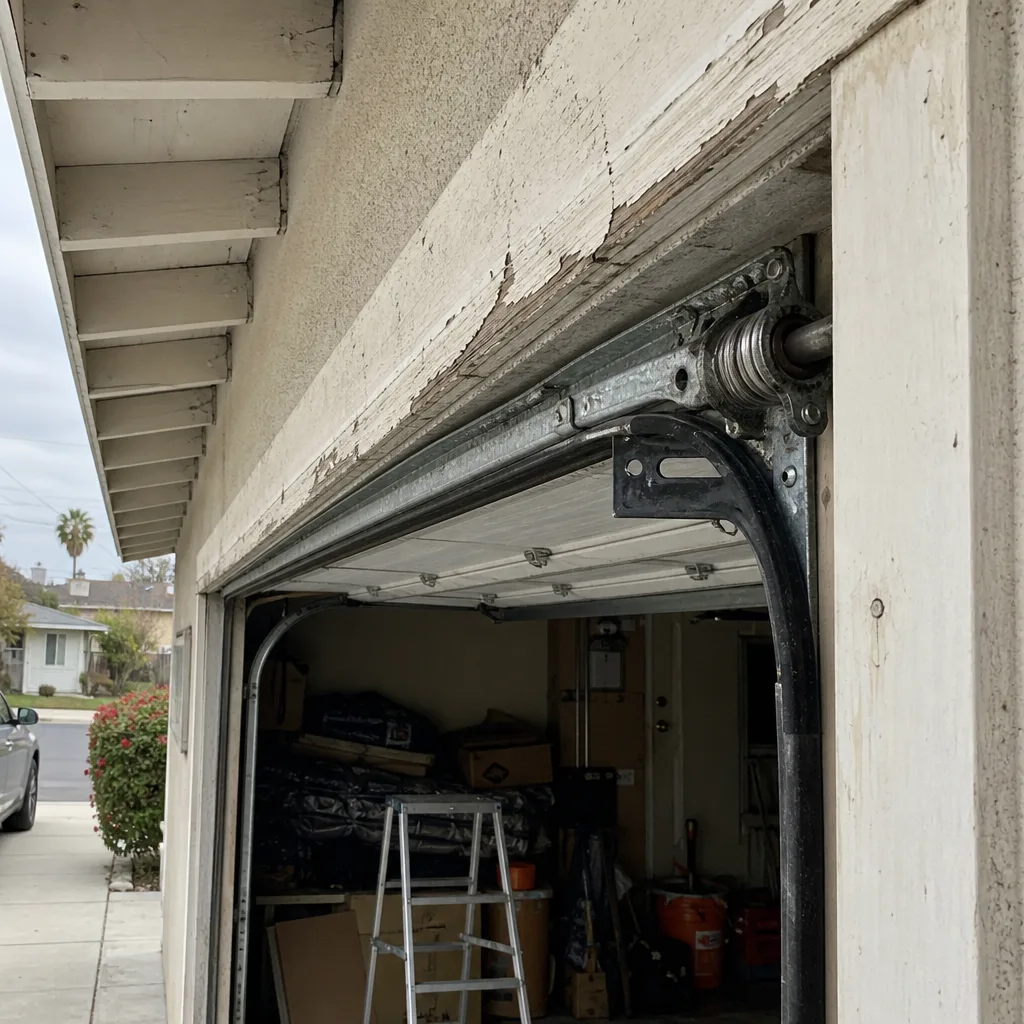 Before
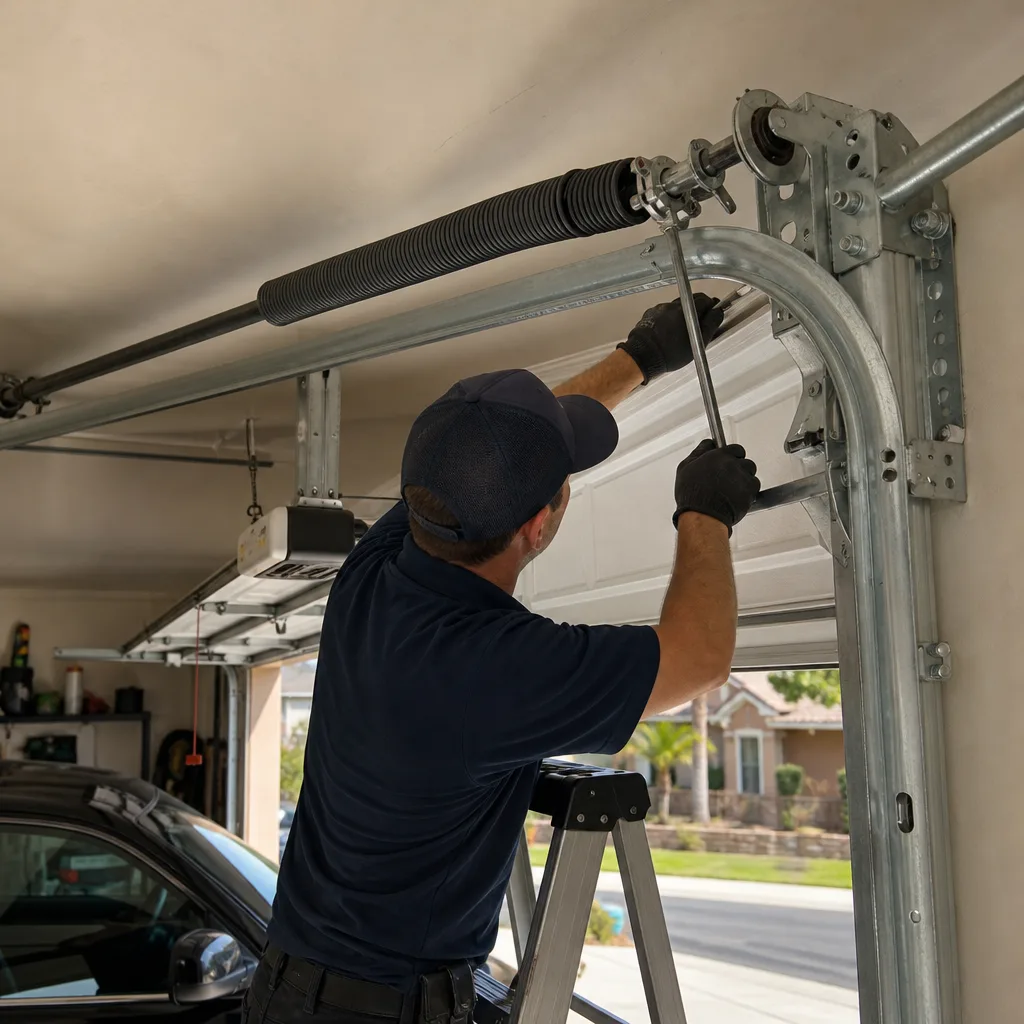 After
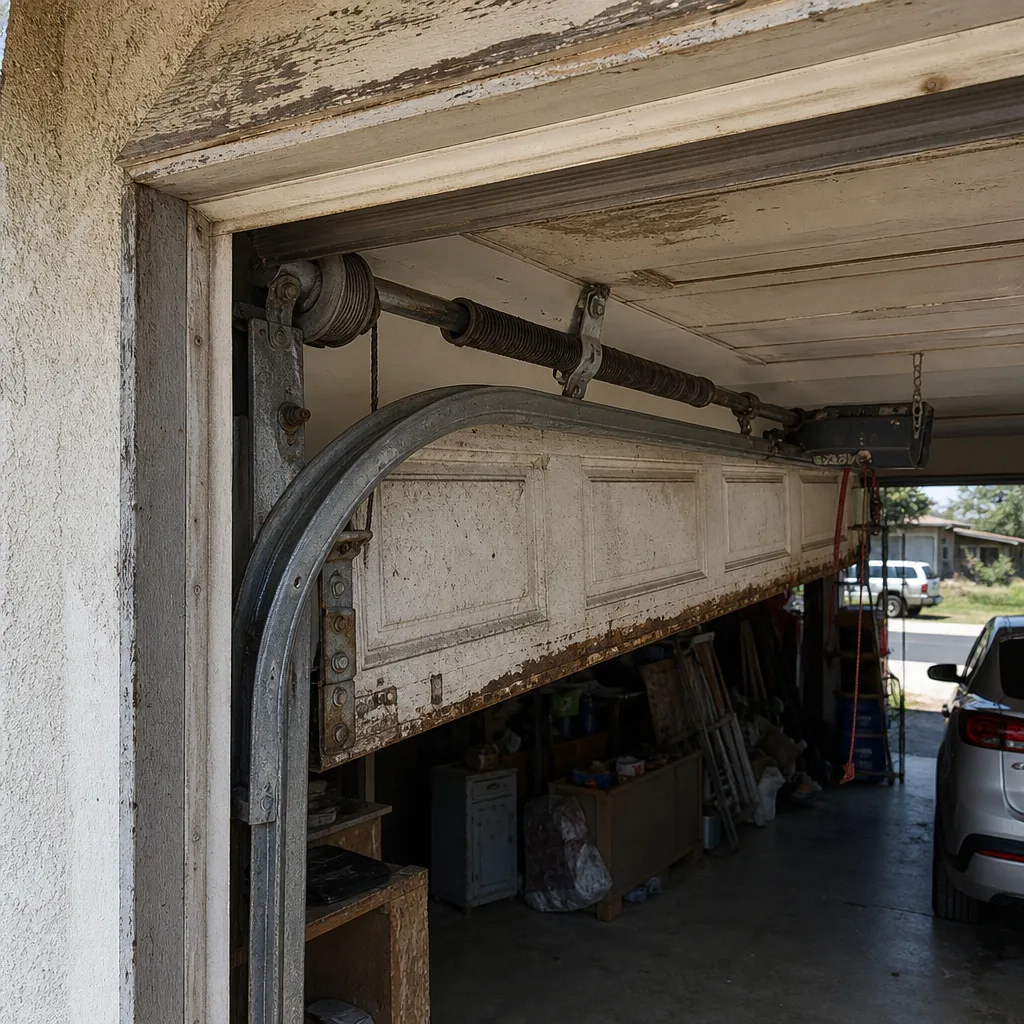 Before
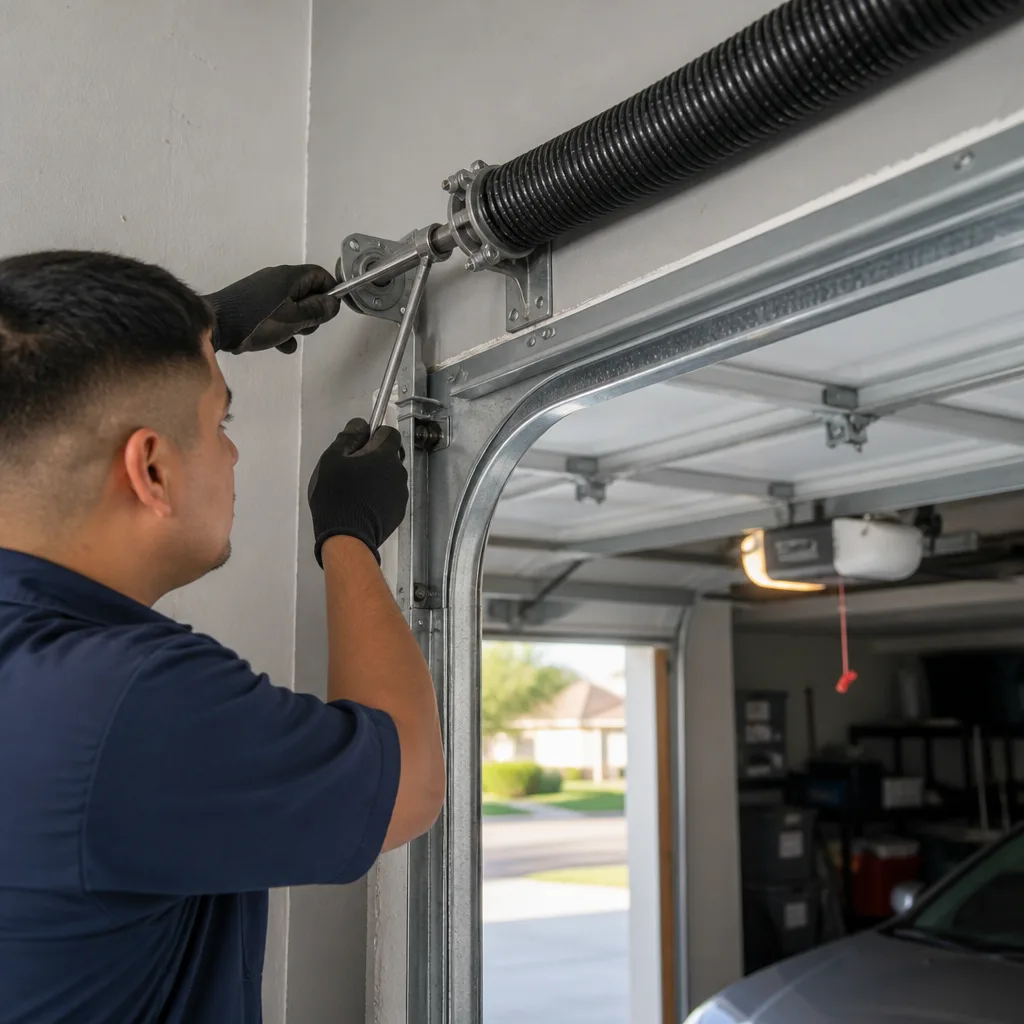 After
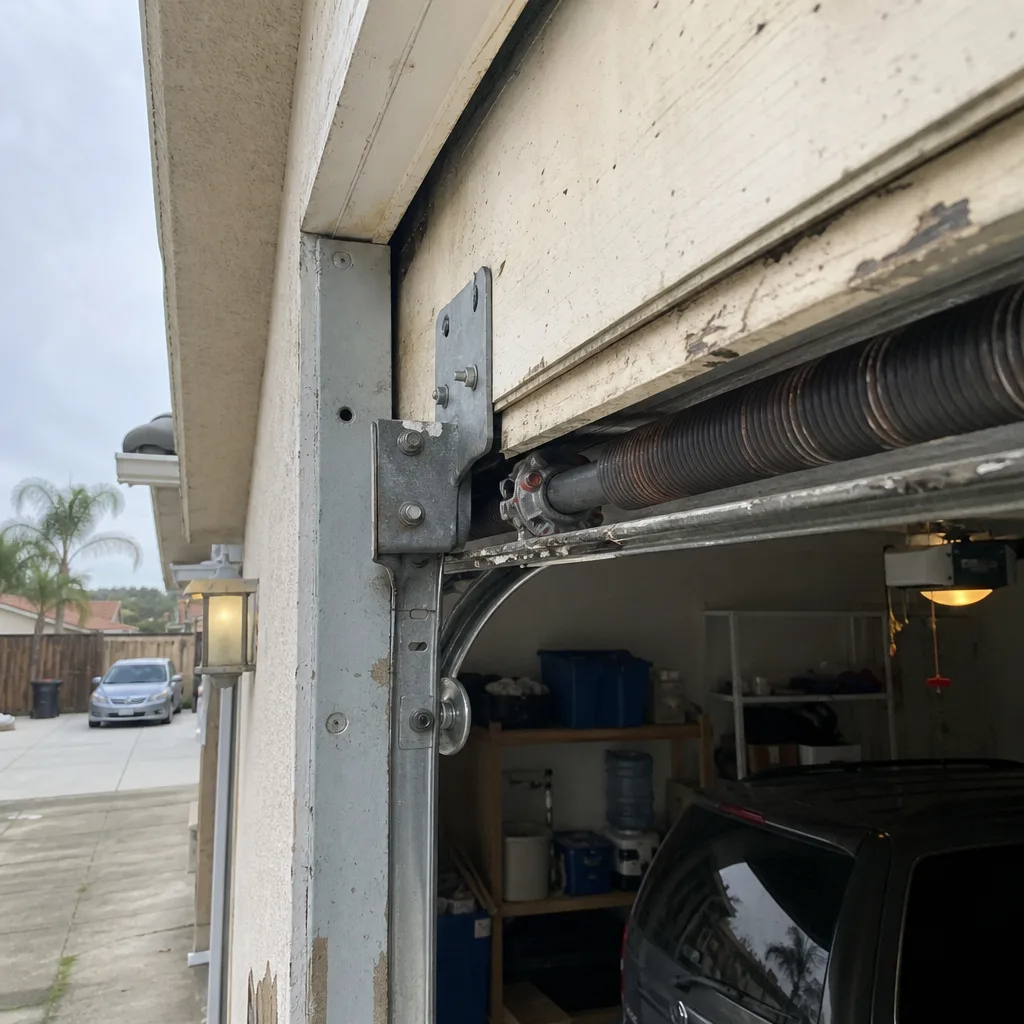 Before
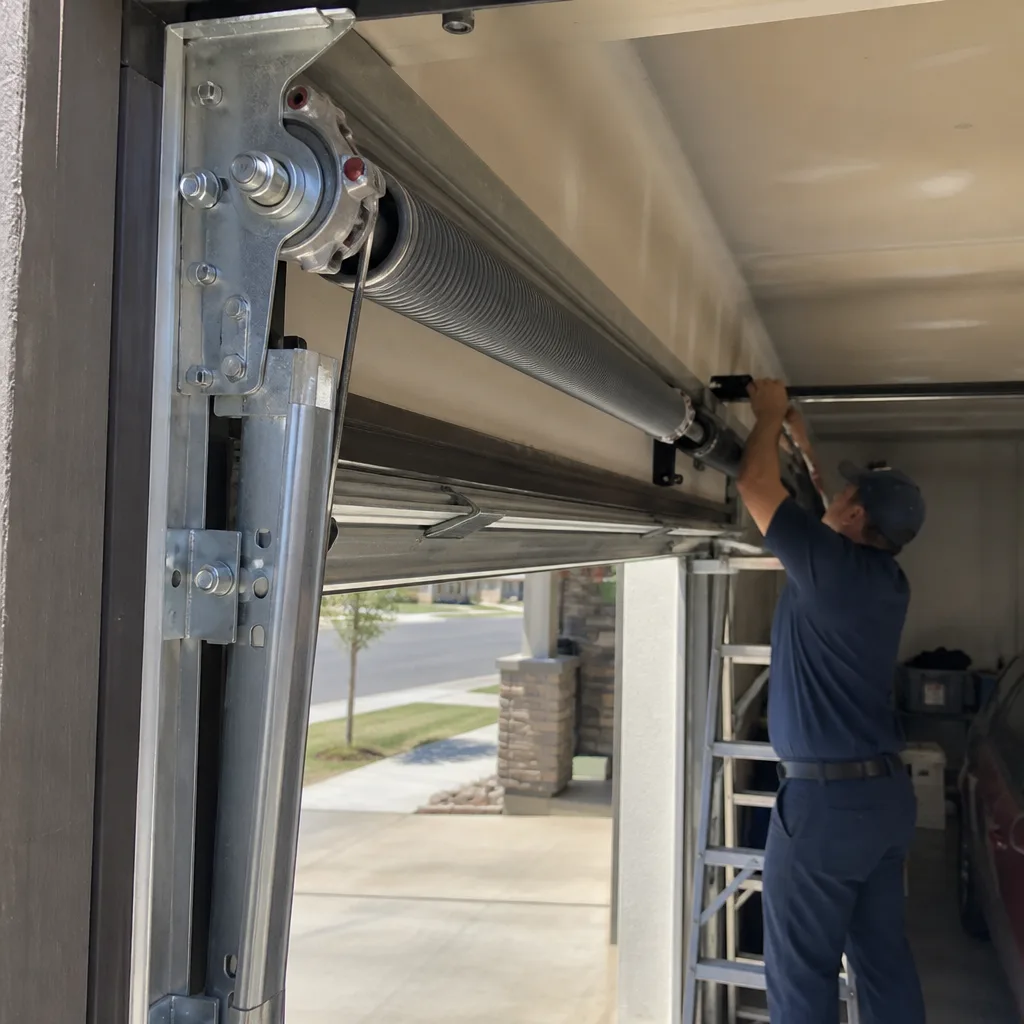 After